Writing tip: Beat up your Heroes

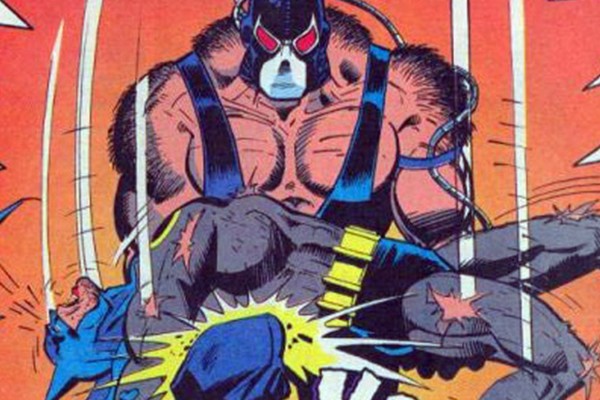
Author William Faulkner once said, “In writing, you must kill all your darlings.” While some writers (like George R. R. Martin) may take this literally, I personally doubt that Mr. Faulkner meant to imply that you should send all your heroes to an early grave. No, he more likely meant that writers should not be afraid to abandon ideas, even their favorite ones.

When I write, I have many ideas that I personally love but make for bad storytelling. A lot of them involve my protagonists. Mainly, I don’t like to see my main characters get hurt. Well, a little hurt maybe – but not devastatingly crushed. While I’m sure my protagonists appreciate this – as much as any imaginary person can – it can make for a boring story.

In my last blog post, I talked about the unlikely hero character archetype. This person is always the last the reader expects to see saving the day. David defeats the giant Goliath with his wits and a well-placed stone. Well, imagine David didn’t fight a giant. What if he instead fought a middle-sized, slightly overweight man named Gerald? Suddenly the victory isn’t so fantastic.

This gets to the heart of today’s writing lesson: While you maybe shouldn’t kill all your darlings, don’t be afraid to beat them (emotionally or physically) to a bloody pulp.

Raising the stakes

Beating up your protagonist raises the stakes. David is fighting a man – not just any man, a giant – not just any giant – a warrior – not just any warrior, an undefeated warrior, someone everyone else is absolutely terrified of. At every increase of Goliath, David’s struggle seems more hopeless. However, it is making the reader that much more invested in the story. Beating an unbeaten warrior giant sounds a lot more interesting than getting the best of middle-aged Gerald.
setting stakes writing
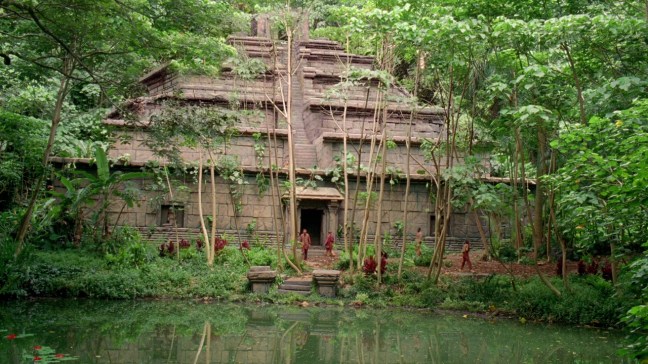
Adventure stories are often in “exotic” locations because these are seen as more dangerous. The stakes are higher than say, an American city, where most people live in relative comfort.

Let me use a more personal example:

Throughout my blog you’re going to see a lot of criticism of my own writing, well let me begin with The Dreamcatchers. While I am overall pleased with my first effort, I won’t pretend it is perfect. In Dreamcatchers, the main villain is a night terror named Incubus. He’s a dangerous dude.

As a reader, you know this because he badly injures the protagonist early on, poisoning and nearly crippling him. In addition, he wins the next two encounters that he and the protagonist have. This sets up a final confrontation where it is unlikely that the protagonist (Vakarian) will win on his own.

While all this is great, part of me wished I had Incubus win more. One of the difficult aspects of The Dreamcatchers is that we never see the “real” world. Our main human character, Tony, is always asleep. Therefore it is difficult to see how Incubus is really threatening him – outside of disrupting his sleep patterns. I attempted to combat this problem by including a prologue where we see another human character suffer direct, substantial complications from a night terror attack.

Was it enough to raise the stakes? I’m not sure. I hope so. It is one of the issues I hope to address more in The Night Terrors.

Since my main human character was a child – and the book is young adult – part of me wanted to shield him from a life-and-death struggle, but this is not conducive to great writing. Look at the Harry Potter series: Aimed at (and starring) children, these books feature death, maiming, and a whole lot of broken limbs. I remember always feeling like Harry and his friends were in real danger – and that is what made their victories all the more incredible and satisfying.

To put it in simple terms: Your characters can’t get up if they don’t fall. While a stagger is less painful, it is also less interesting to read about.

Establishing a strong threat

Your protagonist isn’t the only one who benefits from a bruising plot line. One of the chief problems I see with villains today is that many of them are not very threatening. The conflict, especially in a lot of children’s entertainment, is often in stalemate – with the heroes achieving many more victories than the villains.

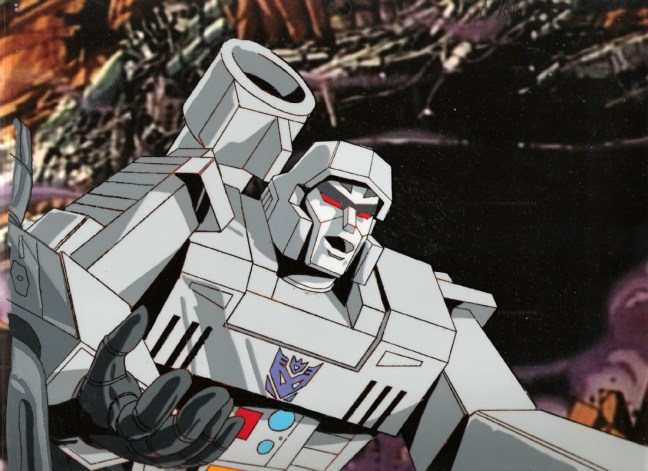
A huge example of this is the original Transformers cartoon. It opens with a grim situation: The war is practically over and the Autobots have all but lost. Their home planet – Cybertron – lies in the hands of the Decepticons. Megatron has more people, resources, and strategic locations. Despite this, he loses every single episode.
Megatron villain writing
While Megatron still served his purpose (and his design plus Frank Welker’s voice acting made him popular), he was never really that intimidating. Before the animated movie, Megatron didn’t have many victories.

Suddenly Megatron doesn’t seem threatening. He’s cool – yes – but competent? He keeps a second-in-command who literally betrays him every third episode. Megatron is a victim of bad writing. He is never winning the situation because the heroes aren’t having any real challenges.

In contrast, the Megatron in Beast Wars wins every major struggle up to the end. This is made more impressive by the fact that he doesn’t have the resources of his predecessor, nor the manpower.

If you want to write a strong villain, they have to win at least 66% of the time. Not only does this make them a serious threat, it also makes it that much more satisfying when the hero prevails.

Producing a satisfying climax

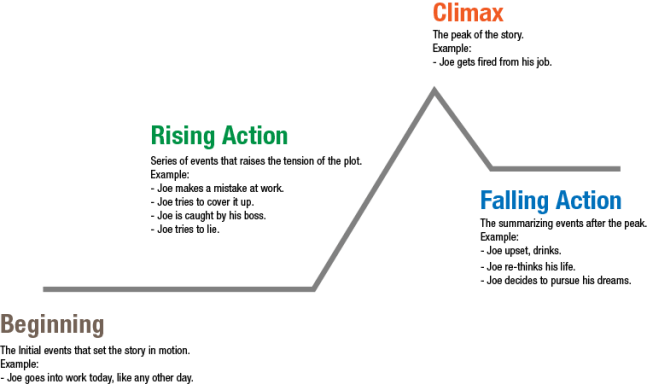
A lot of this ties into plot structure. Here is the classic plot outline:
plot-outline-1

As you can see, everything builds to the climax. The higher that point is, the more satisfying it will feel to the reader. Everything in a story is functionally in service to the climax. All of the hero’s trials and failures make that final moment – that point of either victory or defeat – all the more meaningful.

If you haven’t truly endangered your protagonist in some way then expect this moment to hit without its full impact. If you’ve written a story about a relationship for instance, but we never doubt that it will end, then the moment of salvation will come off as less of a “YES!” and more of a “Oh yeah, makes sense…”

Again, in order to pick themselves up, the protagonist must fall, albeit not always literally.

Writing Character Workshop: Jar Jar Binks

When Star Wars Episode I: The Phantom Menace released in 1999, reception was mixed to put it lightly. While many children (including myself) enjoyed the movie, it sent ripples of anger through the more adult Star Wars fanbase and drew ire from movie critics overall. While many, many, many…many dissections of Phantom Menace have been completed since that 1999 launch – what’s one more?

For my own examination into the film, I want to focus primarily on Jar Jar Binks – a side character who drew particular ire for what many fans saw as his annoying nature or tendency to devolve the film into dirty humor (fart and poop jokes). Let me say this now – this is not intended to be a “hate” essay. I have nothing but respect for Ahmed Best, who has suffered more than enough at the hands of harassing jerks and jackasses claiming to be Star Wars fans.

This article is intended to view only how Jar Jar Binks was written. Let’s examine what kind of character Jar Jar was supposed to be and what function he may have been intended to serve in the story. For those who have seen the film and want a refresher, here is a rundown of every scene with Jar Jar Binks present:

What type of character was Jar Jar supposed to be?

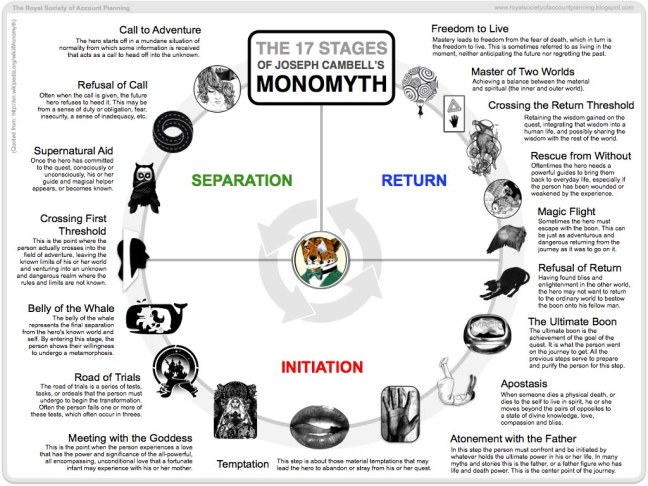
When George Lucas first conceived of Star Wars, he drew a great deal from the past. One of his primary inspirations was Joseph Campbell, a renowned mythologist who had spent years analyzing ancient myths from across the world. Campbell believed in the idea of the “monomyth” or that every heroic tale from the past has a common core and can be broken down into similar elements.

For instance, many heroes begin their journey as outsiders, drawn into a larger conflict rather than being present with it from the very beginning. Going on said hero journey challenges the protagonist, who ultimately returns victorious but a changed person. Lucas used this idea and many others from Campbell in his original Star Wars trilogy, and the themes have been present in the series ever since.

monomyth

Using Campbell and this idea of monomyth means relying on established archetypes. An archetype is a typical example of certain person or thing, or an idea that has been replicated many times over. For instance, a bully is a character archetype. Every bully shares certain traits – namely intimidation and an abusive nature. The idea of a bully has become so ingrained in society that simply saying the word evokes a near complete image.

When Lucas created his characters for Star Wars, he used archetypes to form the foundation. Luke Skywalker – the heroic outsider, Obi Wan Kenobi – the wise old mentor, Han Solo – the scoundrel with a heart of gold, Princess Leia – the princess in distress: All of these characters came from an already established foundation of traits and personality. When Lucas wrote the prequels, he attempted the same thing. It is easy to read Shakespeare’s Othello in the tragedy of Anakin Skywalker or Oedipus in his desire to alter a prophecy.

Regardless of how well it worked, Lucas clearly had visions of grandeur on his mind. So, what about Jar Jar? Where does he fit in?

Jar Jar as the fool

A popular character archetype that owes a lot to Shakespeare is the fool or clown. This character is, by nature, ridiculous and outwardly very stupid. They are usually of low stature and aren’t doing well in their life. However, they are apart from the situation – no one directly trusts the fool, but the fool is typically present. This can give them wisdom, as they tend not to have subtly. When a fool speaks, they state the obvious, which can include information that the protagonist has overlooked.

A famous fool includes Dory from Finding Nemo. What she may lack in brains, she makes up for in wisdom, directly stating the flaws in Marlin’s parenting techniques.

character fool
Many fools tend to be sidekicks, giving them ample opportunity to travel and communicate with the main character.

Is Jar Jar a fool? He is certainly ridiculous enough to qualify on that level. Jar Jar is clumsy, clownish and prone to self-deprecation. However, what wisdom does he bring?

There two scenes that may qualify. The first comes at his introduction, right after he has met Obi Wan Kenobi and Qui Gon Jinn. Jar Jar suggests that they seek the gungan city for shelter and to hide from the droid army.

In the second scene, an anxious Padme is reflecting on the plight of her people. Jar Jar happens to mention that his race, the gungans, have a huge army that can challenge the invading droid forces. While Jar Jar never directly states that the gungans can help, Padme uses this information later to make her plan to fight back.

Jar Jar also states that relations between the naboo and gungans are strained but really doesn’t elaborate further. As far as this writer’s recollection, these are the only moments where Jar Jar may fit the mold of a fool.

Jar Jar as the heart

A more recent character archetype is the heart. Born out of many television ensembles, the heart is a member of the team that has no real special talent or skill. However, they serve as a moral compass, helping every other character around them maintain equilibrium and a healthy psyche. Hearts can be smart or stupid, strong or weak – but their primary strength must always lie in their emotional capacity.

The character Bolin from The Legend of Korra is a heart. While never stated, it is implied that he is not as strong a fighter as Korra or Mako, nor is he particularly smart. Instead, Bolin is trusting and giving, always there for friends that need a hand. His primary motivation comes from a desire to help others, a trait common in many heart characters.

The Heart can be similar to a fool, but with more positive intentions.

At first glance, Jar Jar Binks may look like a likely heart. However, there are problems with this fit. Jar Jar is often reluctant to help, oftentimes being volunteered for assignments he didn’t ask for. Also, apart from the Padme scene, Jar Jar is rarely shown comforting another character.

Jar Jar as the unlikely hero

At the heart of Star Wars is a love for the unlikely hero. Anakin, Luke and Rey have all come from humble origins to take center stage in galactic affairs. The same can be said of Han Solo, Finn, and Rose. None of these people began with the traditional, noble heritage of a hero – they instead earned their place through courageous acts or unnatural talent.

Unlikely Hero Tan smaller
David, in his fight with Goliath, became one of the first and most famous unlikely heroes.

Jar Jar Binks definitely fits this bill, at least on the surface. He comes from nothing – an outcast of his own people. By the end of the film, however, he is a victorious general and well on his way to becoming a senator that will represent Naboo on the galactic stage. From a storyboard perspective, Jar Jar fits this archetype to the letter.

But let’s look closer: Is Jar Jar a hero? Does he in fact do anything to really save the day? Jar Jar’s role in the finale is to lead the gungan army against the droids. It is intended as a diversion to allow the other protagonists to act. Jar Jar loses this battle and is captured. Faced with this development, he promptly surrenders.

When Anakin destroys the droid control ship, the droids are deactivated and the gungans saved. Given how he acted, I say it is reasonable to compare Jar Jar more to a character in distress rather than an active hero. He is never looking beyond his personal safety.

Writing exercises: How would you improve Jar Jar Binks?

I personally believe that Jar Jar Binks has elements of all three character archetypes above. I believe his character suffers from poor implementation of these ideas into the script. He certainly has the negative elements of a fool but is not given enough opportunity for the positive. He appears well meaning but is never anyone’s emotional center. And he is given countless opportunities to perform a heroic action but never rises to the challenge.

He, like many elements of George Lucas’ prequel trilogy, feels like a rough draft of a competent character.

So, rather than dwell on the failure – how can we fix him? Well, I for one believe that all strong character writing begins at the three scales: competency, sympathy, and productivity. A well written character has a mix of these traits on a scale system. For instance, a character can be very competent but unsympathetic or vice versa. Most writers tend to use middle degrees on these scales rather than turning one all the way up or down.

Fixing Jar Jar begins with looking at his three scales, all of which are too far down (in my opinion). Altering these scales alters Jar Jar. Writers should be careful to keep the original idea in tact. It’s easy to fix Jar Jar by transforming him into someone else entirely, but more challenging to simply make alterations.

If Jar Jar is supposed to be the fool, turn his sympathy and productivity up to have him make more emotional impact. To be an unlikely hero, turn up the competency. However you approach it, keep your archetype goal in mind.

This exercise can be a simple scene rewrite or a full plot makeover. If you’re curious to see how you did, I recommend posting on FanFiction.net. You can use a pen name and the feedback can be helpful.

Jar Jar Binks may have earned the fan’s hatred (not that it takes much) but I believe he is a character built on solid bones. Looking at his failure requires studying character construction and plot development, two things that can only make you a stronger writer. Best of luck!

Alice: a Visit to Wanderland

Okay, it’s October and I am already well behind my horror blog writing. This month, as with every October, I will be reading exclusively horror – either books that are in the horror genre or have many horrific elements. This year I have chosen to kick things off with Alice: The Wanderland Chronicles by J.M. Sullivan. As some of my more astute readers may have already noticed, Wanderland Chronicles is another book from Dreamcatchers publisher, Pen Name Publishing. Rest assured, I shall endeavor to remain objective.

So, first thing’s first: I don’t care for Alice in Wonderland. It’s not that I hate it, I have just never invested in Lewis Carroll’s universe the way that some others have. While I’m a big fan of fantasy, I’m also a big fan of logic… something that vanishes rather quickly as we journey down the rabbit hole. It is impossible to deny the impact that Carroll has made on writing and on imagination. Nevertheless, it’s never been my tea party.

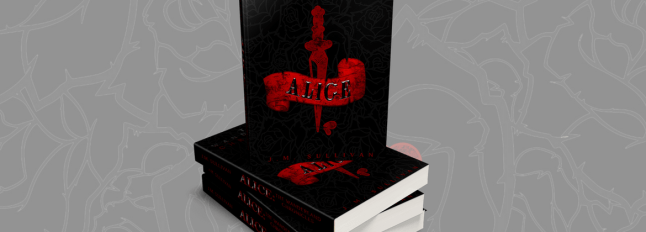
Alice: The Wanderland Chronicles
I actually liked Tim Burton’s Alice in Wonderland, which I felt brought a more sensible plot to Carroll’s world. That said, I think we can all agree that the film would have benefited from less Mad Hatter.

Yes, but what if there’s zombies?

This the question author J.M. Sullivan asked when she re-imagined Carroll’s world as post-apocalyptic fantasy. Gone are the over-sized rabbits and the disappearing cats. In their place are the Momerath, virus-infected human beings with a bad temper and an appetite for human flesh.

And it’s not Wonderland anymore, it’s Wanderland – or what’s left of Phoenix. No rabbit hole required for entry. All that Alice Carroll (see what she did there?) needs to do to get in is simply walk… and not die. That’s the rules for Wanderland: keep walking, try not to die, and stay on the good side of the Red Queen.

Wonderland vs. Wanderland

While Wanderland Chronicles abandons much of Lewis Carroll’s nonsensical scenery, its characters nearly all have counterparts. Apart from Alice, Wanderland inhabitants include Chess – a boy with unnaturally quick reflexes, Bug – a surveillance expert with a passion for smoking, and Dr. Matt Hatta – I’ll let you figure that one out on your own. And, of course, the kill-happy Red Queen.

For the most part, Sullivan does an admirable job fitting these characters into their new roles in the zombie-filled wasteland. The only unfortunate side effect is that it does make the plot fairly predictable, something that takes all the air out of any tension she is trying to build. We know before she leaves what Alice will find in the Wanderland. Luckily, the book’s climax does add some twists away from the source material.

aliceinzombieland
The idea of mixing zombies into Alice in Wonderland is not new. Wanderland Chronicles, however, does a better job of it than the fanart of the internet.

Writing in Wanderland

J.M. Sullivan crafts strong characters with believable (love triangle excluded) emotions and reactions in Wanderland. Her Alice is a fun protagonist, if one who goes from introvert to extrovert very quickly. Chess, Nate, and the Red Queen round out a compelling support cast. The plot hops along at a brisk pace, never dallying in any location too long.

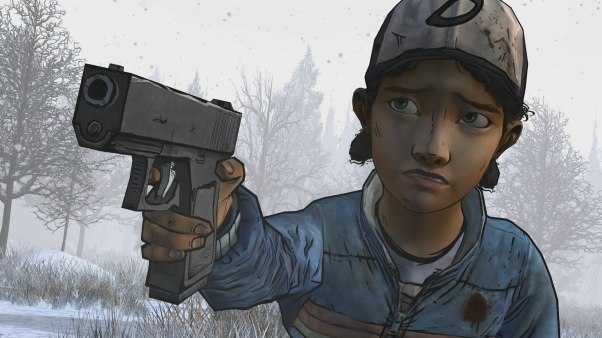
twdclementine_feature
If I were to compare Alice to another protagonist in the world of zombie fiction, it would be Clementine.

If I have any complaint about the writing, it is that it violates the “less is more” rule. This is author J.M. Sullivan’s first book and I could tell that she didn’t trust her language, often repeating or going too simple. I’m from the school that taught me to avoid repetitive words on a page. Never give two sentences of explanation when one will do. Lewis Carroll owned the lingo of his fantasy, but this is the area of all others where J.M. Sullivan feels like a tentative tenant.

I hope that, in the sequel, she finds a stronger voice to suit her strong protagonist.

Alice: The Wanderland Chronicles won’t make you a believer in the zombie genre – it’s not World War Z. For those who don’t care for either Lewis Carroll’s world or horrific undead cannibals, I would advise giving this one a pass. That said, any out there who enjoy a fun zombie-filled romp should sink their teeth in. Wanderland Chronicles is the perfect popcorn to open up a fun-filled October.