The Sad Ending to the Avatar Universe

No, I’m not talking about anything having to do with James Cameron.

The sequel series to Avatar: the Last Airbender ended last month. The Legend of Korra enjoyed a finale that many critics and fans loved, with some calling it “the best series finale of 2014.” For my part, I initially was not a big fan of Korra‘s final episode. While I liked the events of the finale, the – everything that happened – portion of it, I was disappointed in the ‘how.’ It just all felt rushed. From the two-minute “forgive me ’cause I’m an orphan” speech by Kuvira to the sudden and controversial final moments between Korra and Asami, I walked away feeling like the season could have really used another episode to explain and flush out the resolution.
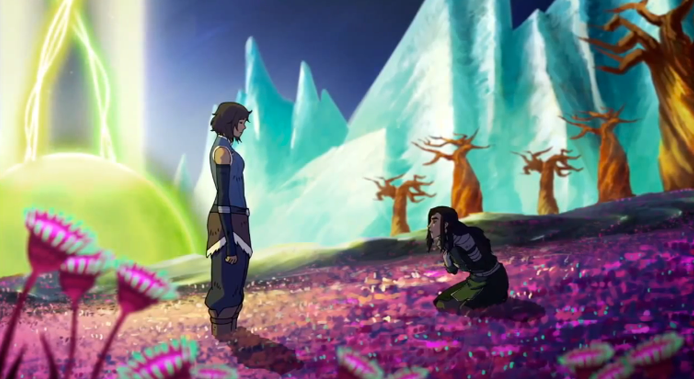
We get it Kuvira, you did not have a great childhood. That really does not justify your basically being Hitler this season.

I actually began writing a post that was dedicated to exploring the resolutions in “The Last Stand,” but my research compelled me to drop it (at least for now). The reality is that something far sadder than a series finale occurred last month. This very likely is the end of the Avatar universe, at least as far as creators Bryan Konietzko and Michael Dante DiMartino are concerned.
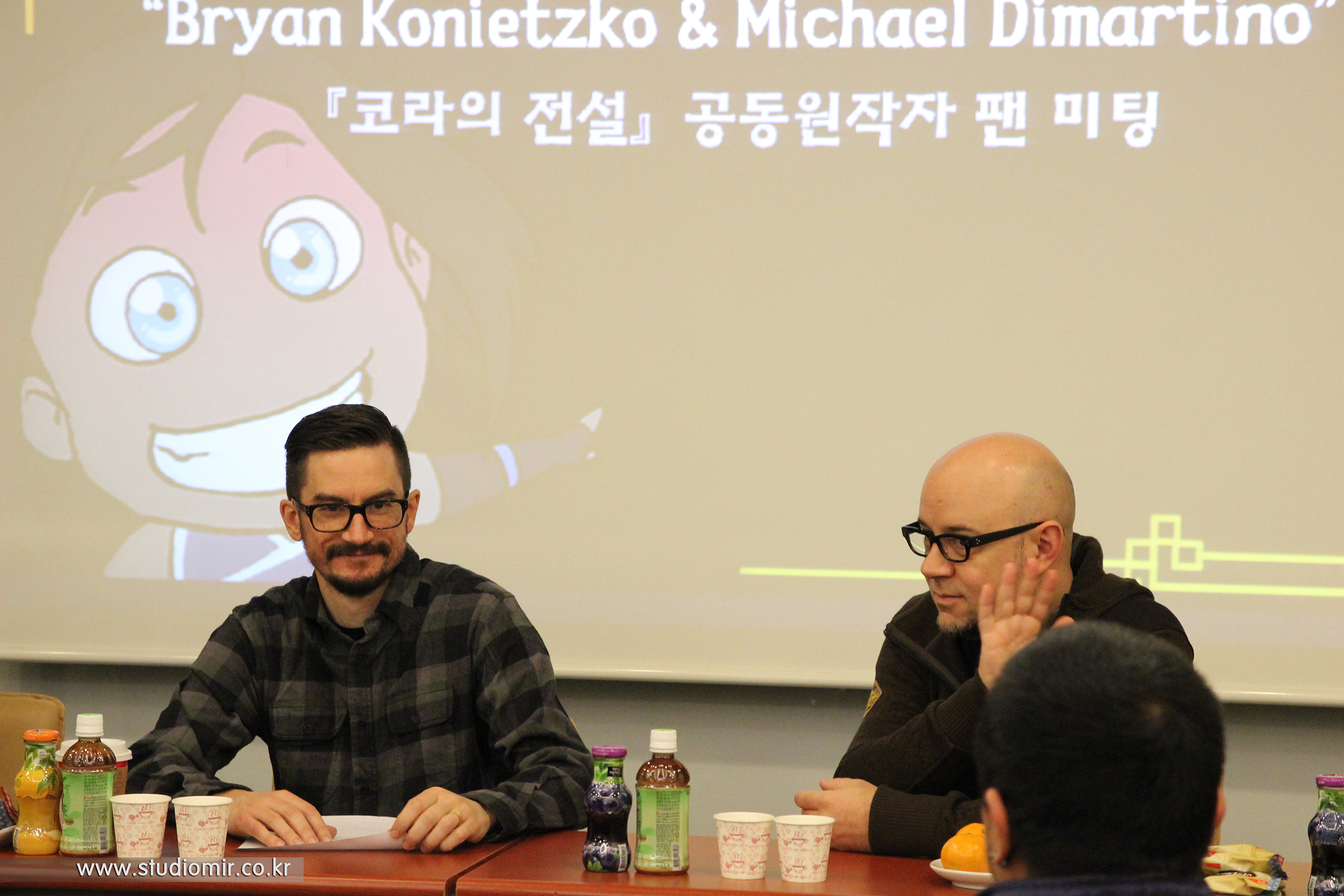
The two masterminds behind the Avatar universe.

There is a reason that season four of The Legend of Korra feels like it is missing an episode. It is.

After the immensely poorly handled fiasco that was season three, Nickelodeon felt compelled to interfere again with Legend of Korra. The show’s numbers had evidently fallen (surprise, surprise; when you yank season three off the air halfway through the season and then release season four a month later with little promotion). Nickelodeon must have been losing too much profit for their liking, so they responded by slashing Korra‘s animation budget.

Konietzko and DiMartino apparently received an ultimatum: lose an episode or some of their staff would be let go. Rather than firing anyone, the two came up with a compromise: a clip-show style episode that heavily reused animation. Nickelodeon got to save on costs, no one lost their jobs, and the series did not have to completely lose an episode…

Even Varrick's hilarity could not save Remembrances from feeling really useless.
Even Varrick’s hilarity could not save “Remembrances” from feeling really useless.

Well, they still did. While “Remembrances” (as the clip-episode came to be called) is not in itself completely terrible, it is by far the worst episode of both series. Simply put: not enough happens in it. It is hard, however, to be overtly critical knowing the limitations that were faced. Nothing could happen in this episode, they did not have the money.

This means that Legend of Korra, an extremely fast-paced and tightly written story, lost twenty minutes of storytelling. Audiences can only imagine what the original, uncut, season four storyline might have looked like. Talk about treating one of your highest rated programs with complete disrespect. That would be like if HBO cut Game of Thrones set budget.
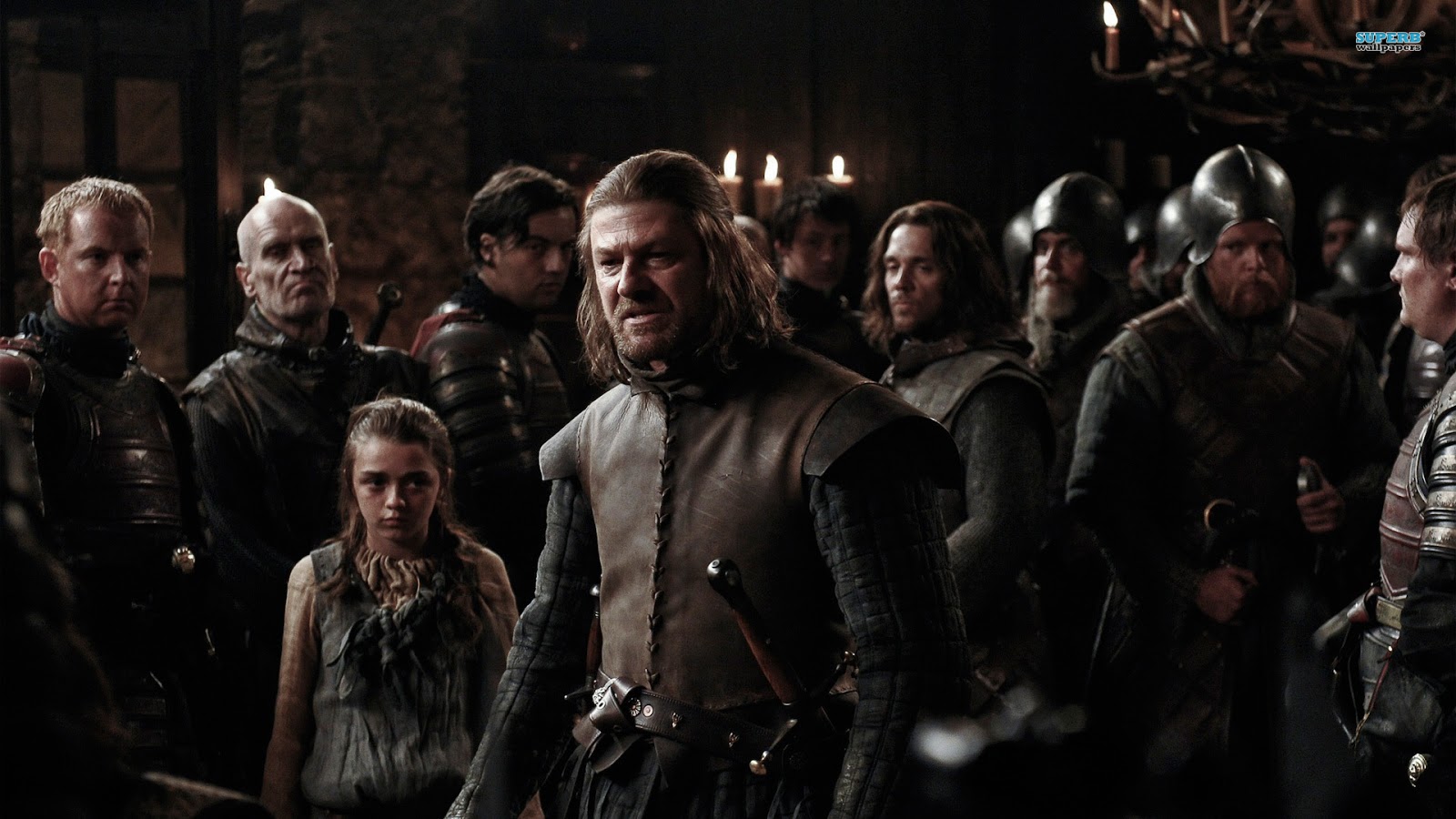
Do you really need all those extras? Do they need to be wearing armor?

As if the mishandling of season three and the mistreatment of season four weren’t enough interference, Nickelodeon was apparently very limiting in another aspect of the show:
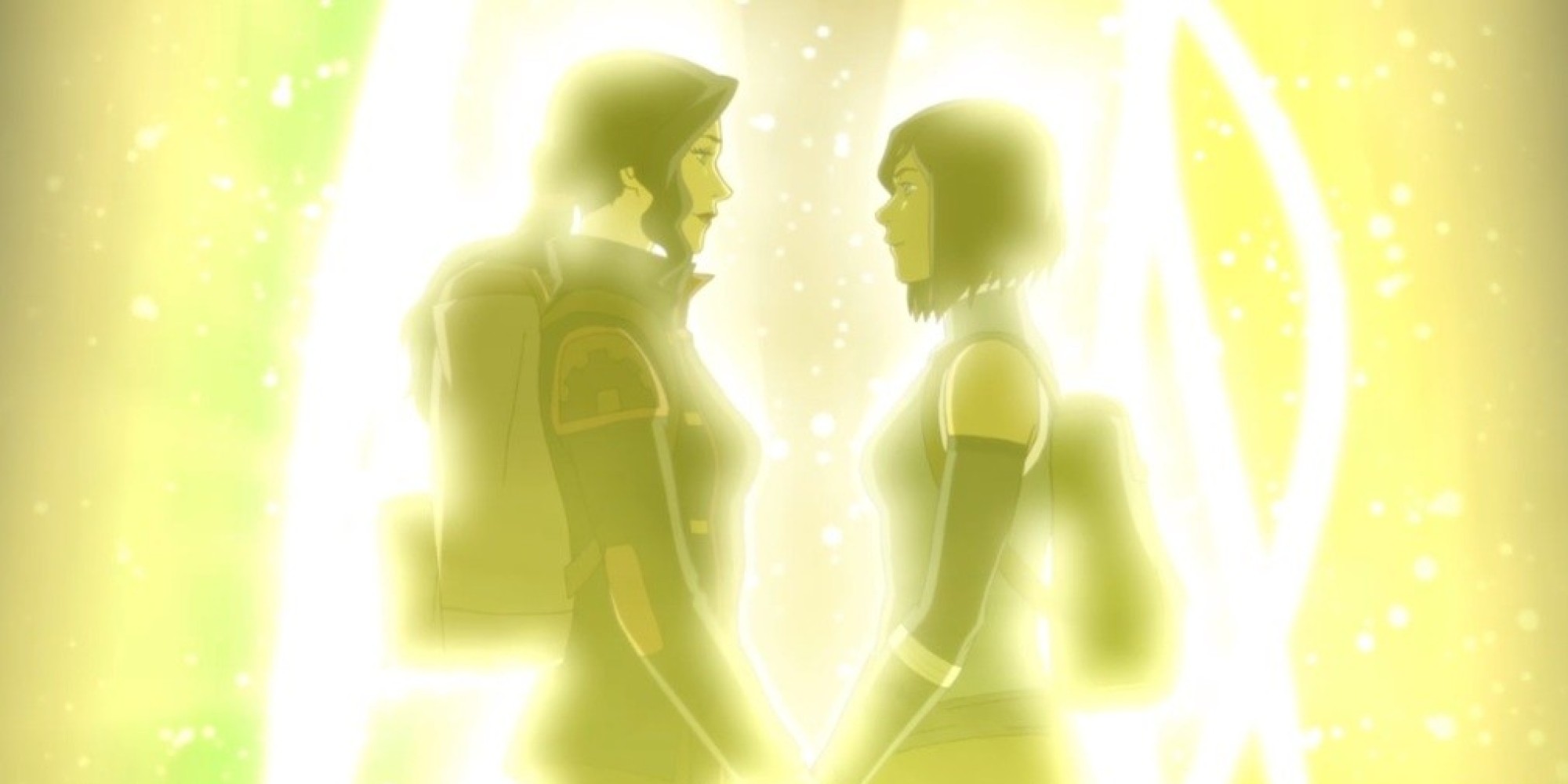
They're bisexual - you gotta deal with it.
They’re bisexual – you gotta deal with it.

Yes, it turns out that (spoilers) bisexuality is not an identity that Nickelodeon promotes. In his comments addressing the show’s ending, Konietzko handled it as politely and publicly correct as possible: “while they were supportive there was a limit to how far we could go with it.” That’s the nicest way possible of saying they were restrictive. If you are at a table with someone who has cookies and you ask for a cookie, they can be as nice as they want… while still not giving you the cookie. They can support your decision to want a cookie til the cows come home but you’re still hungry at the end of the day.

What is more troubling is the timing of Nickelodeon’s mishandling of the series. Reading the creators words on the dubbed “Korrasami” relationship (isn’t the internet just so clever?), it becomes clear that the idea of the two having a romantic relationship become much more concrete after season two. Seasons three and four were meant to be the set-up. Hmmm, now what two seasons did Nickelodeon really interfere with? I am not accusing the corporation of homophobia, but it is a little unsettling to have these timelines line up.
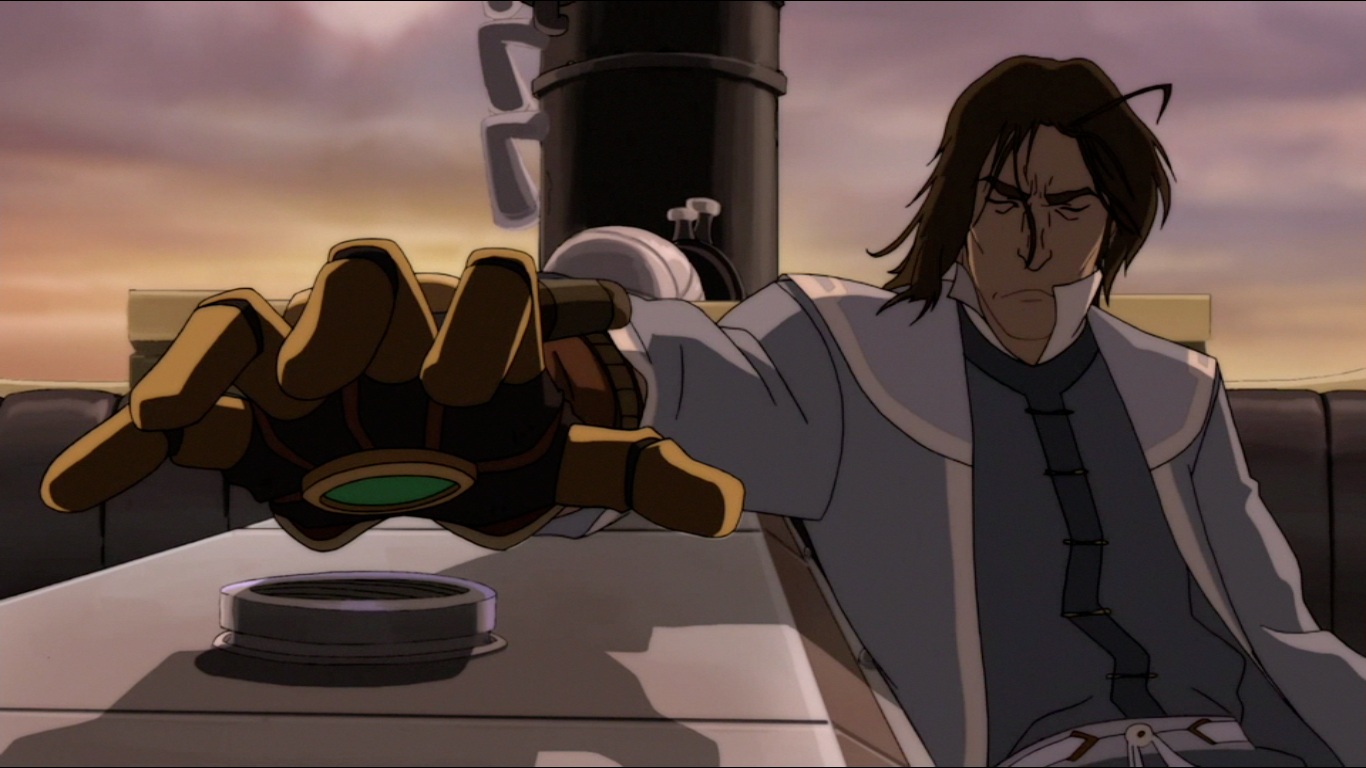
Suicide? That's fine, just make sure the two women don't kiss!
Suicide? That’s fine, just make sure the two women don’t kiss!

Regardless of what happened, one thing is clear: Konietzko and DiMartino have grown too mature for Nickelodeon. Who can really blame them after everything that happened with Korra? It does not sound anything like the successful partnership that occurred with Avatar: the Last Airbender. You can bet the two have a future project planned, they have said as much themselves. The sad news is: it is not Avatar related.

The two are moving on, likely to a studio or network (Netflix, HBO) that allows more artistic freedom. While this is likely a great move and I eagerly await their next series, it is sad that this is how the Avatar universe ends. There will be more comic books, which is nice I guess… but it appears unlikely that Nickelodeon will ever produce another series (after some feel that they tried actively to kill Korra) and even less likely that it will involve the two creators. This was an incredible universe that spanned two extraordinary shows. Even if its “cartoon” status prevented it from earning the acclaim of Game of Thrones and Orange is the New Black, both Korra and Avatar accomplished something truly special.

It is just a shame that this good-bye tastes so bitter.

"Hey cheer up, at least Michael Bay hasn't made a movie about us yet."
“Hey cheer up, at least Michael Bay hasn’t made a movie about us yet.”

Click here to support bringing Legend of Korra back to life on Netflix.

In Defense of After Earth

Let me say something right now before I defend this movie: it is a bad movie. It is really poorly made. I would not recommend that anyone watch this film. It was simple of a disaster of near epic proportions.

All right.

Anyone law-savvy take note: never begin a client’s defense like that.

After Earth is the latest movie from fallen star M. Night Shyamalan. The once brilliant master of suspense (The Sixth Sense, Unbreakable, Signs) has fallen to earth with more force than most comets, and appears fully determined to sink down right into the center of the Earth. Following up his first disaster (Lady in the Water) with entertainment turds The Happening and The Last Airbender, there did not appear to be any end in sight. How bad could Shyamalan get… just watch his next movie to find out. Until now.

Seriously, where did the talent go?

With each bad Shyamalan film, there was always a ‘silver lining’ way to view failure. Lady in the Water was an interesting (yet very flawed) commentary on storytelling. The Happening had a challenging concept that would have made Alfred Hitchcock go: “no way man, I’ll stick with birds.” The Last Airbender was his first and, to date, only movie where there was no such positive spin. Apart from composer James Newton Howard: nobody did their jobs well on that movie.

After Earth is a poorly written movie with a weak leading actor, but still possesses quite a few cool concepts.

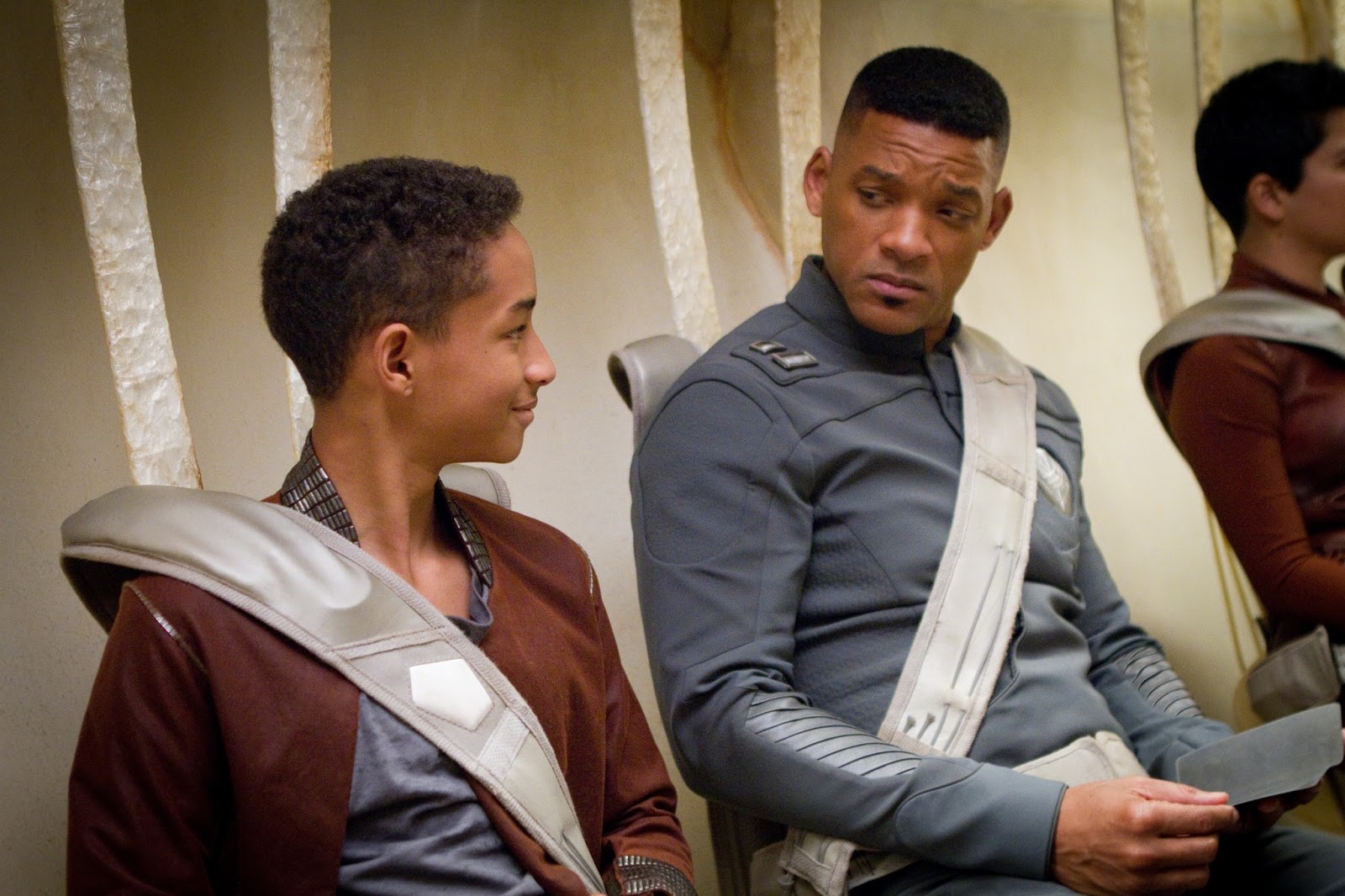
For starters, let’s look at a potentially cool character conception that translated incredibly poorly to the screen. Cypher Raige (not kidding on the name) is, in concept, a super soldier. He is emotionally detached to the point of being a living weapon. Yet it does not appear that this was a man born without emotion. Throughout the movie, Rage makes hints to returning to a more human existence. He seems to be trapped in the emotionless void he created to survive. For instance: he has a son that he can only speak to as a soldier.

In the beginning, Raige shows some flickerings of emotion with his wife. After that, there was A LOT of deadpan with this face.

This has potential to be an interesting character arch. The danger of writing a character like this, however, is that if it is done poorly, the audience will be forced to endure a cold, emotionless robot as one of their main characters. Exactly what happened to Will Smith‘s performance in After Earth.

Another cool idea: a hostile earth. This realm of science fiction is already starting to come home to reality, but to create the idea of a human-abandoned earth sounds intriguing. Also, this does not appear to be a recent desertion either. The movie gives the audience a planet that has had time to revert to a complete feral state.  There are no real traces of cities or any human settlement left on the planet. The surviving animal species have been left on their own to evolve and adapt into incredibly dangerous and hostile versions of their former selves.

How exactly is this baboon any more or less dangerous to humans than a baboon of today?
How exactly is this baboon any more or less dangerous to humans than a baboon today?

Or not.

Again, another problem of the script breaks through to derail the concept. After Earth feels like two independent ideas sandwiched into one script. In one story, the animals of Earth have evolved to pose a very great threat to humans. In another, Earth has become a planet with extremely dangerous climate conditions. This latter idea dominates most of the movie, however all the set up is done stressing the dangers of the planet’s inhabitants.

“Everything on this planet has evolved to kill humans.”

Or not.

Also, great thing to tell your son before lecturing him on the importance of not being afraid.

Do not let this man become a motivational speaker.

There is no real animal threat in the movie, save for an Ursa, which is a chemically engineered non-native of Earth. That line works great in trailers but ultimately comes off as the exact opposite of intelligence.

The cgi rendering in this film: not super great.

Finally, the story itself. The idea of a father and son getting trapped together on a hostile world sounds promising. The fact that the two have a miserable relationship adds potential for characters. The injury to the father should help to prompt a sci-fi coming of age story that is worth watching. Sure, After Earth‘s plot is simple but there is potential there – just not for a summer action blockbuster.

The best moments of this movie are when it's not trying so hard to entertain. Maybe the expectations of a smaller, independent release would have suited this film better.
The best moments of this movie are when it’s not trying so hard to entertain. Maybe the expectations of a smaller, independent release would have suited this film better.

It fell apart in the script, and whether it was Shyamalan’s directing or Jaden Smith‘s acting, there was no strong performance to save it.

Should you watch this movie: only if you’re like me and you enjoy analyzing and critiquing stories. Otherwise, there is a lot of vastly superior science fiction to enjoy at the moment. The worst may be behind M. Night Shyamalan, but he still has a lot more climbing left to do.

How to Tell a Story: Why How to Train Your Dragon Works so Well

It seems that Dreamworks Animation has always been the animation company in Pixar‘s shadow. While Pixar was creating films like Ratatouille and Wall-E, Dreamworks produced Shrek the Third and Kung Fu Panda. Not to say that Kung Fu Panda was bad (unlike Shrek the Third), it was just a much more simple story. Dreamworks simply was not producing animated films that contained the same amount of layers as their Pixar counterparts. In 2010, Dreamworks Animation made How to Train Your Dragon while Pixar created Toy Story 3. Yes, Pixar made the better film that year. That said, Dreamworks Animation took a giant step forward as How to Train Your Dragon became one of their greatest films produced. The story was just as simple and uninspired as any of their animated products, yet How to Train Your Dragon proves that quality is found not just in the story, but in how it is told.

First, what is the story in How to Train Your Dragon? As I said before, it is very standard: at its heart, How to Train Your Dragon is about an outcast boy growing up and learning to accept/believe in himself, and how that belief and acceptance catapulted him into much stronger social standing. This is a plot that has been before in animated films. At least once:

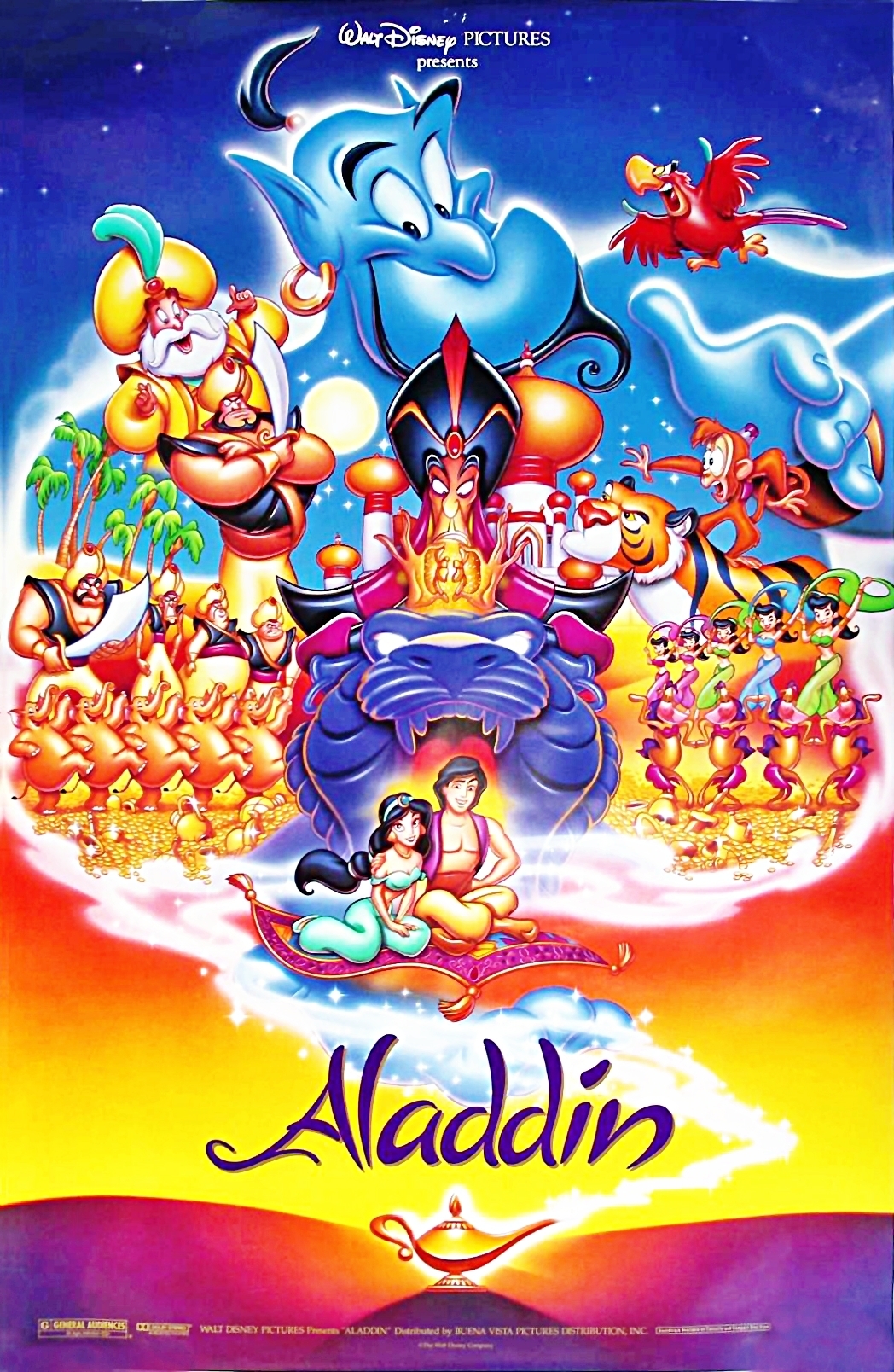
An outcast street-rat learns the value in being true to himself and becomes sultan of a fictional land (with some non-human assistance in the form of a genie.)
An outcast street-rat learns the value in being true to himself and becomes sultan of a fictional land (with some non-human assistance in the form of a genie).

Or twice:

An outcast learns to accept the true strength of his character in order to become a hero (with the non-human assistance of a satyr).

And like, say by Dreamworks the year before:

An outcast learns to be true to himself and becomes the dragon warrior/hero (with the non-human assistance of a turtle and a red panda).

So stories like this are nothing new to the world of animated feature films. Yes, every one of the movies mentioned dresses their story in a different way but all of those films share the same heart. However, these three films also help to illustrate my point: it matters how the story is told. It is possible to like only one of those movies and detest the other two. With How to Train Your Dragon, the strength of the movie lies in its character relationships.

Every story needs vehicles in order to function. The protagonist, the antagonist, the supporting characters, the conflict: every story possesses (at least most of) these traits. The difference between good stories and bad ones is how well these vehicles are disguised. A good writer/storyteller can dress fiction to be real life. In my article criticizing Star Wars Episode II, I (endeavored to) explained that the main reason that the relationship between Anakin and Padme failed was because it appeared as a plot focus and not as an actual relationship between two people. How to Train Your Dragon avoids this pitfall.

One of the main triumphs to examine is Stoick (voiced by Gerard Butler). He is Hiccup’s father and one of (if not the) main antagonist in the story. In a children’s movie, where simple storytelling is sometimes favored, it would be very easy to leave Stoick as simply that: the antagonist. Hiccup’s father who never listens, a bloodthirsty viking looking to kill dragons. Instead, writers William Davies, Dean DeBlois, and Chris Sanders create a complex relationship between Hiccup and Stoick that feels very real (even in a movie that is about taming dragons).

Hiccup has the revelation of where his mindless violent tendencies lead…

At the heart of their conflict is not an argument over what direction to take the plot (to kill dragons or not to kill dragons) but instead the simple problem of communication. Stoick and Hiccup do not know how to communicate with one another. They are both headstrong and stubborn (illustrating similar qualities helps enforce the family connection) and they simply have a hard time relating to one another. Yet throughout the movie it is illustrated that, while the two have their differences, they are a family who loves each other. This adds weight to the conflict and enhances the scenes between them.

…Much earlier than Stoick does.

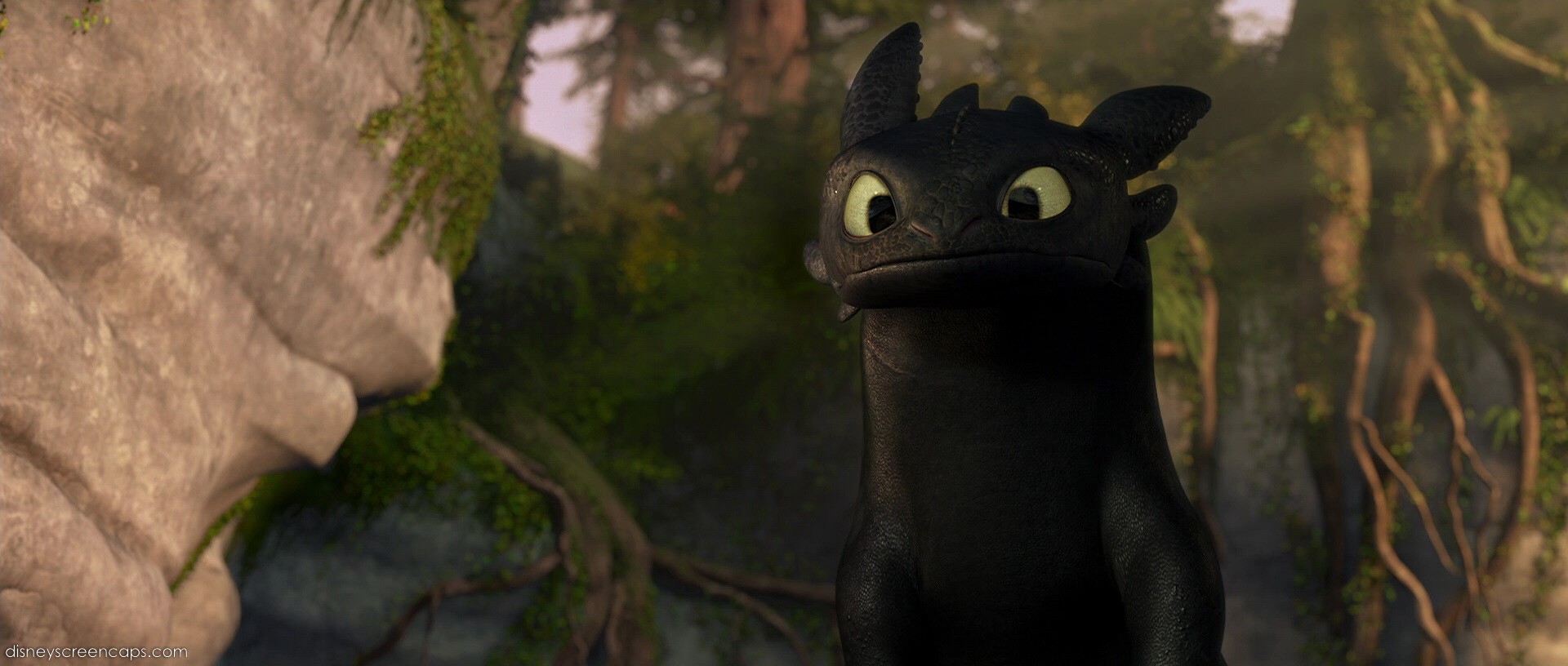
Another strong point is, obviously, the relationship between Hiccup and Toothless. Both Chris Sanders and Dean Deblois created Lilo and Stitch and it is no surprise to see the same quality of human-sentient animal relationship in this film. Toothless is not simply a dragon but brims with personality, which allows Hiccup to exhibit personality as well. If Toothless were simply a dragon (a beast without intelligence), the plot of the film could still proceed but its content would have been weakened greatly.

The animators realized a creature who could fully communicate without speech.

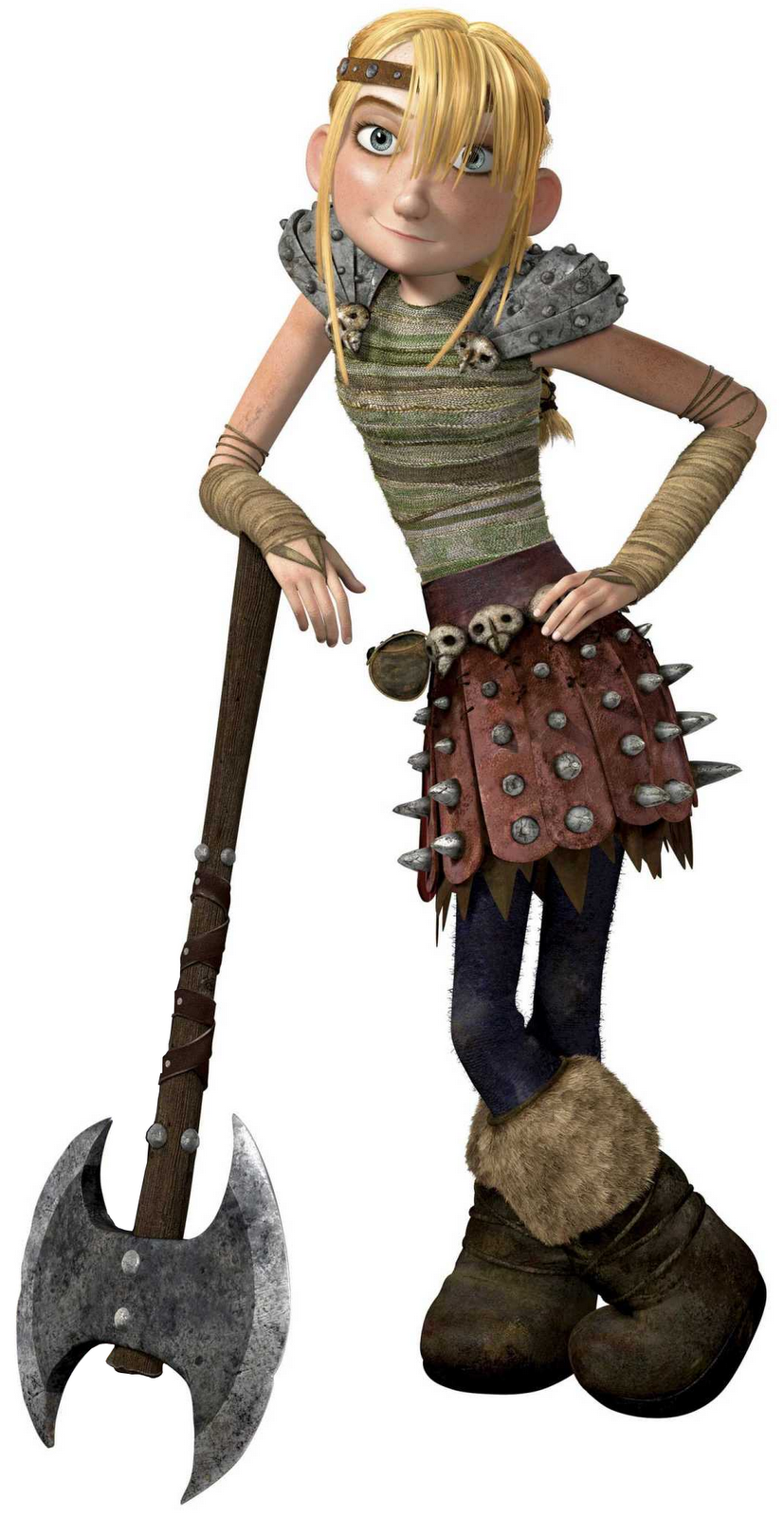
One final relationship I will mention is Hiccup’s relationship with Astrid (voiced by America Ferrera). Yes, Astrid does serve as the love interest, but she is also a character with her own personality. She is revealed to be determined and methodical. There are also several scenes demonstrating her capabilities as a warrior. This gives her personality so that, when she does fall in love with Hiccup, the audience can understand the reason why.

Astrid spends most of the movie with axe in hand.

How to Train Your Dragon is not the best animated film ever by a long shot, but it is a well-made film. There is much more here done right than wrong. The film never panders down to its child audience, never embraces the more flashy-dancey tendencies of other Dreamworks’ films, never does anything to sacrifice story or character. It is part of the proof that it matters more how a story is told, rather than what its content is.

PS – the sequel isn’t bad either.