Well, it is over. With the 2.5 BILLION (yes, BILLION) sale of Mojang to Microsoft, Markus “Notch” Persson’s five-year relationship with his independent game phenomenon, Minecraft, has come to an end. This essentially means that, without Notch, Microsoft paid a couple billion dollars to own Minecraft. Oh, and Scrolls too. That is insane. It showcases just how essential Microsoft believes Minecraft is to the future of gaming. Many gamers have had mixed-to-negative reactions to the purchase. Indeed, Minecraft is the most successful ‘indie’ (independently-made) video game in history. To have it swallowed up by a mammoth corporation like Microsoft is… well, we’ll see what happens. There is one person, however, who is very happy that Minecraft is now in Microsoft hands, and that is Notch:
“I’ve become a symbol. I don’t want to be a symbol, responsible for something huge that I don’t understand, that I don’t want to work on, that keeps coming back to me. I’m not an entrepreneur. I’m not a CEO. I’m a nerdy computer programmer who likes to have opinions on Twitter.”
That is from a letter written by the Swedish programmer on his departure (the rest can be found here). It highlights the unrealistic expectation of Minecraft, and why we, as gamers, should try not to have ‘the Minecraft Expectation’ when it comes to games – especially indie ones. When I say the Minecraft Expectation, I refer to the supported belief that Notch was expected to keep working on Minecraft, without ever charging gamers for this additional content. This game has changed dramatically since its unveiling as a PC alpha test (earliest playable version – not technically a finished product) back in 2009. Minecraft was not even available for profit until 2011. And then it costs roughly twenty bucks to purchase. In the three years since there has been patch after patch of new and rebalanced content added to the game. And it has all been free.
New creatures, areas, and even worlds have been added since the initial release.
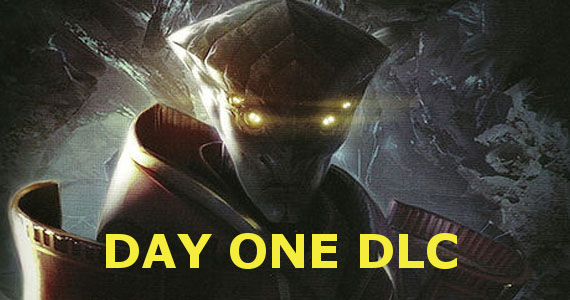
On the face of it, this is awesome for gamers. Nearly everyone hates paid dlc (downloadable content), especially when it feels like the retail game would be incomplete without it. What happened with Minecraft, I believe, is the opposite end of that dlc spectrum. Yes, there are games that withhold content and appear to delight in charging for every last dollar they can get from the consumer. But Notch was too nice. He had become bound to game he didn’t want to keep adding content to, and people treated him as a traitor if he even thought about doing something else.
Paying for content that feels like it should have been part of the original game is never a way to build a good relationship with the gaming community.
Independent developers do not have much money to finance their projects. Some use Kickstarters and paid early access to supplement funding. The only way that Minecraft has been able to continue this level of content and support is because, well… it’s worth around 2.5 billion dollars. Is it reasonable to expect a quality, finished product for the investment – absolutely. Is it reasonable to expect continued support and patching without ever needing to pay more for said content – not really. Not unless the game is a cultural event like Minecraft. How many of those come along?
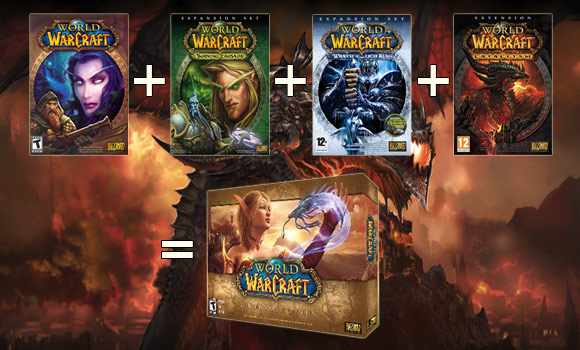
There is a good balance and I believe companies like Blizzard Entertainment do it well. They provide continued free support for their games, while at the same time releasing the occasional paid expansion pack. Their retail games never feel incomplete, like the expansion is needed. It is just a way for devoted fans to explore new content, while paying the developer’s salary.
World of Warcraft is supported and expanded regularly, yet the game has also seen a wealth of retail expansions.
Yeah, games are fun. They are art, they are expression, they are a sublime form of escapism. That said, they are also part of someone’s job. As gamers, there is a responsibility to fiscally support the products we want and to reject those we don’t. At this point, no one “owes” anyone any continued support of Minecraft. If Microsoft never releases additional content and goes straight for Minecraft II, who can blame them? So long as that game is a quality experience like the first – Microsoft has held up their end of the deal as a developer.
Video games hold a lot of great characters, from heroes to villains, and everyone in between. It makes sense since a video game is usually an interactive story, one where the player controls the action. That said, there has been a definite tilt in the favor of male characters over female ones… at least where the main action is concerned. Nintendo is one of the more influential game companies, and also a company that has been very vocal over inclusive gaming. There has been no console like the Wii in terms of bringing new players to the table. So, since Nintendo has been talking the talk, are they walking the walk (yes, I know that term is incredibly outdated). In examining five prominent Nintendo female characters, it is clear that the big N still has a long way to go.
Princess Peach
Let’s start with the most famous example: Princess Peach Toadstool.
Where She Started: There is perhaps no more famous damsel-in-distress in history. Peach has been kidnapped no less than thirteen times. That number comes after a quick count so the actual number may be higher. Peach represents royalty without power. She is only a princess after all – there is a Mushroom King. Granted, this figure is never seen, so Peach is the face of the ruling family. Yet, despite her many appearances (Peach has appeared in more games than any other female character in history), Princess Peach doesn’t have much character. Who is she besides the doe-eyed passive princess dressed in pink?
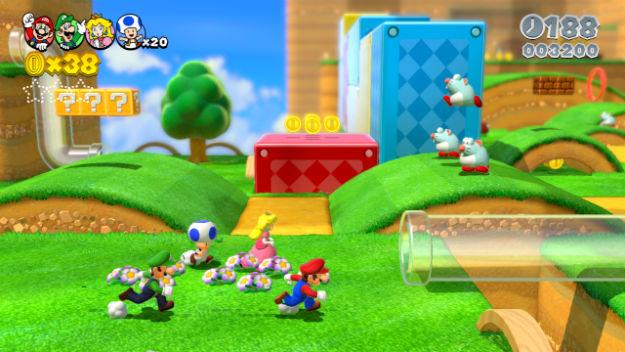
Has There Been Recent Improvement: Yes. Princess Peach is no longer just an objective to be accomplished. Recently, Peach has begun taking a more active role in gaming – outside of the Mario Party/Sports titles. Peach appears alongside Mario and Luigi as a playable character in the new Super Mario 3D World. The character also finally received her own game for the DS, Super Princess Peach, where she was the solo protagonist. Is there still more work to be done: absolutely. At least the Princess is moving in a more modern direction.
It had been a long time since Peach had been playable in a Mario game.
Princess Zelda
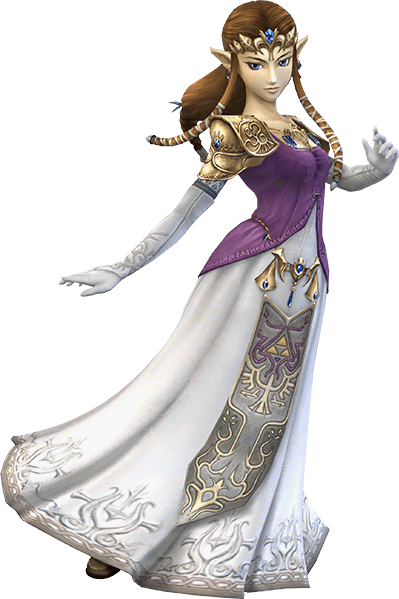
The titular character in the Legend of Zelda series, Princess Zelda is the (usual) ruler of Hyrule.
Where She Started: Like Peach, Zelda began her career as the damsel-in-distress, and the main objective of the game. In a legend that repeats throughout the years, the player learns that Zelda possess the Triforce of Wisdom. Link (male) possesses courage and Ganon (male) possesses power. This would be great if Zelda ever appeared as a wise character. Really, she rarely appeared at all. In the traditional format: Zelda appeared twice per game. Once at the beginning to kept kidnapped and once at the ending to be saved. While Link and Ganon’s characters clearly embody their main trait, Zelda never embodies hers. At least not in the beginning.
Has There Been Recent Improvement: Yes. Zelda has taken an increasingly active role in recent games. She is still usually in peril but finds ways to help Link on his quest. The character has also been more personified and even taken on a physically active role. Ocarina of Time still may represent the best leap forward as Zelda stripped off the dress and dawned fighting gear to become Sheik, a warrior who actively aided Link on his journey. Zelda fans are still waiting for a Nintendo game with a female protagonist.
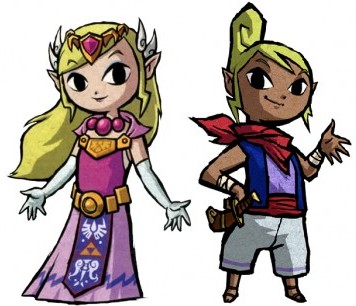
Zelda was much more active as Tetra, a pirate incarnation in the Legend of Zelda: Wind Waker.
Princess Daisy
Yes, another princess. This one is from Sarasaland… never heard of it? You and 99.999999% of people on the planet.
Where She Started: Stop me if you’ve heard this one: a damsel-in-distress for Mario to save… who wasn’t Peach. Yes, over time Daisy has come to be known as Luigi’s girlfriend but when she started, she was getting saved by Mario. Daisy is… well honestly there is not much to say. She appeared in Super Mario Land for the Gameboy and since then only Mario Sports games.
Has There Been Recent Improvement: No. Nintendo does not seem to know what to do with Daisy. The recent “Year of Luigi” failed to produce any games featuring the character. Daisy is an active playable character in her sports appearances and shows traces of personality… it is just no longer clear why she’s there. Sonic has been costing on video game credit for a lot less time than Daisy. Here’s hoping the character plays a (playable) role in the next Luigi’s Mansion. That would at least be a start.
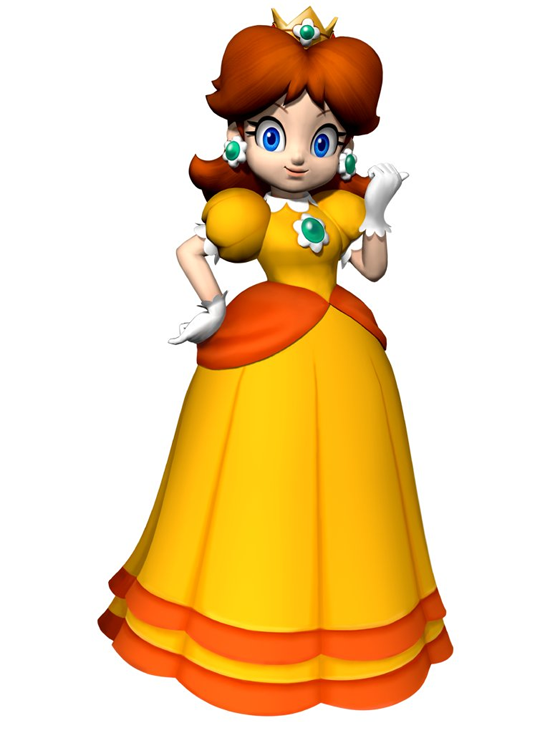
At least Daisy is making the most of her leisure time.
Samus Aran
Samus Aran is an intergalactic bounty hunter and the main character of the Metroid series. She is also the only character on this list that is not a princess.
Where She Started: As a pioneer for female game characters. Samus Aran is the exact opposite of the damsel-in-distress. She is (mainly) portrayed as independent and solitary. She goes from planet to planet hunting aliens and solving puzzles. Samus is not given many clear characteristics to her personality (the player’s actions tend to form the person she is) and did not have a voice for most of her career. When she did…
Has There Been Recent Improvement: No. In fact, one could argue the exact opposite has happened. In Metroid: Other M, Samus was finally given a voice, and that was the voice of an immature girl crying out for approval from her male superiors. It was a huge set back for the formerly fully independent bounty hunter. Also, the emergence of the new “zero suit” has drawn a lot more attention to Samus’ feminine form. Here is hoping that Retro Studios can get the character back on track.
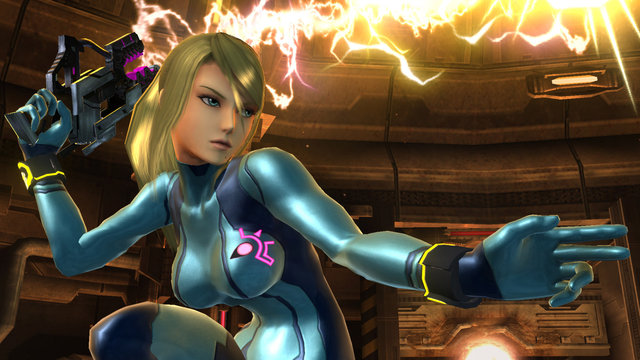
Samus’ new look is just a tad more focused on the feminine.
Rosalina
A princess who commands the Comet Observatory, as well as serves as guardian for the Lumas.
Where She Started: Rosalina is the most recent addition to Mario’s Princess lineup. While she is not kidnapped in Super Mario Galaxy, Rosalina is quickly revealed to be powerless against Bowser. It is up to Mario (the player) to save the day and return all the Lumas to Rosalina. She does not come across as the most powerful “guardian of the cosmos” when an incredibly-gifted plumber can do more to save the galaxy than she can.
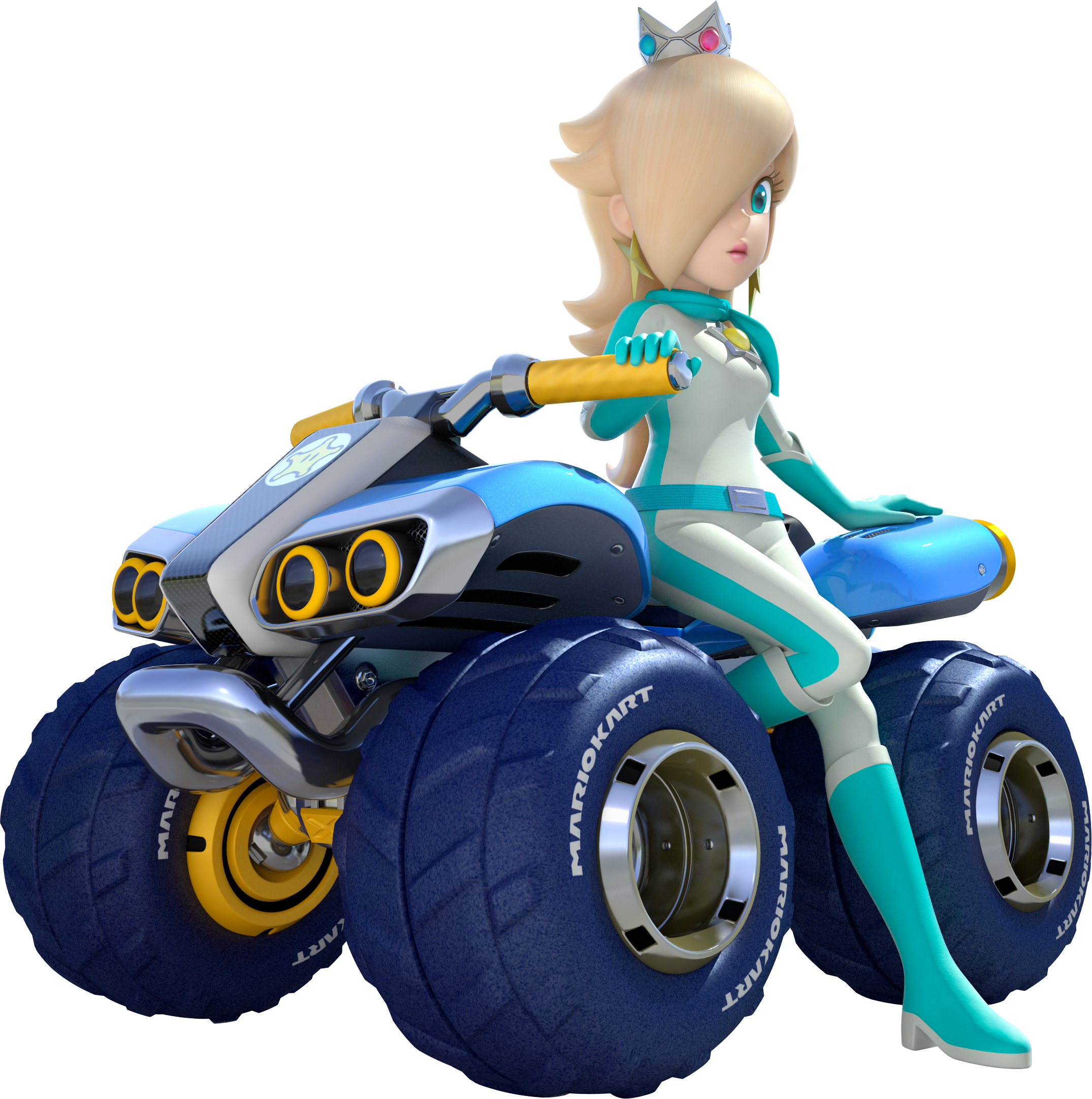
Has There Been Any Recent Improvement: Hard to say. Nintendo appears to be pushing the character at least. A recent appearance in Mario Kart 8, as well as an upcoming roster spot for the new Super Smash Bros. are signs that the company wants to keep using the character. Rosalina also appeared as an unlockable character in Super Mario 3D World.
Last year, Shigeru Miyamoto (the Nintendo equivalent of Jesus) was asked about his thoughts on women in video games. The video game creator touched on a main problem that Nintendo still appears to have. Yes, they have plenty of female characters now, but they have few games that directly suit them. Most of the time the woman appears as a side character while the male player character completes the action. Nintendo needs a new Metroid, a new game series surrounding a female protagonist. They just have to figure out how to accomplish it.
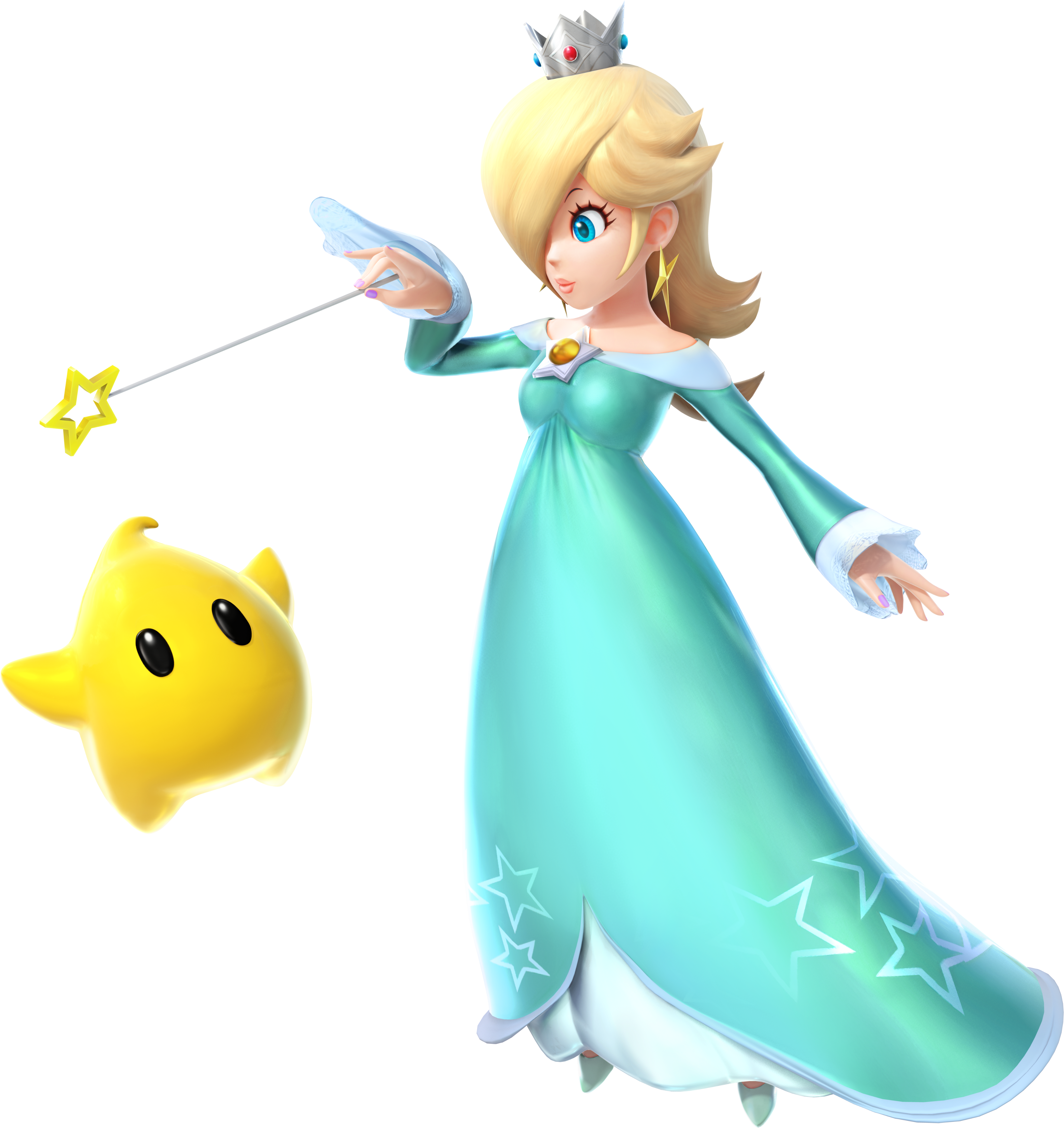
At least she is wearing something less ridiculous when she’s driving.
“So, yeah, certainly, I think there are opportunities to do it. One, I think we could do it as a parody of everything else we’ve done. But I think, certainly, we would want something where it would feel like the natural way for the game to play and in that case we would certainly take that approach.”
I never thought I would say this but: Sony and Microsoft could learn a lot from Nintendo… at least when it comes to backwards compatibility. True, the Big N is totally lost when anything internet-oriented enters the table (why is Mario Kart 8 the only first-party game to possess online multiplayer?) but they understand the importance of allowing players to retain the past generation of gaming. The Xbox One and PlayStation 4 are out and, at the moment, the lack of backwards compatibility does not appear to be hindering hardware sales (stopped me from buying either). Yes, this is an issue that the public appears to have deemed as not very important. That said, it does matter: no backwards compatibility is a bad for the consumers and, in the long run, it is bad for the console industry as a whole.
Nintendo is the industry leader in terms of backwards compatibility. Sony comes in second, with Microsoft trailing as an indifferent third.
When new consoles come out, it generates excitement (hype) in the consumer market. Companies need this excitement – it is what compels otherwise level-headed individuals to fork over hundreds of dollars for buggy just-released systems with no real game library to speak of. Excitement is generated by the NEW: NEW graphics, NEW gameplay, NEW experiences, NEW games. Part of that also used to mean a trade up: time to get rid of the old console and replace it with a new one. This encouraged brand loyalty as a person with a PlayStation 2, for example, could (initially) replace it by simply buying a PlayStation 3. All the old games still worked and less room was taken up on the shelf. Out with the old, in with the new.
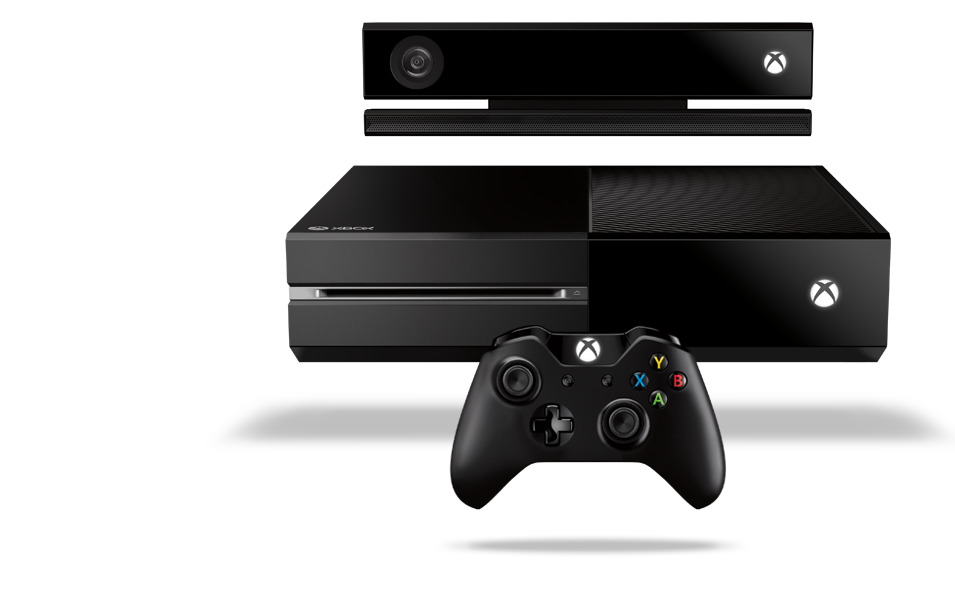
Microsoft marketed the Xbox One as the “one” device you would need in your living room. Yet it isn’t even the “one” device to play all of your Microsoft games.
Without backwards compatibility, brand loyalty goes out the window (in theory, fanboys are oh so devoted.. for some reason). On the face of it – this sounds like an advantage for the consumer: everyone is now free to buy the new system that best suits their needs. Really, however, this is a tiny plus compared with all the drawbacks. The advantage shrinks even further when the two systems’ specifications are compared (they are remarkably similar in every way).
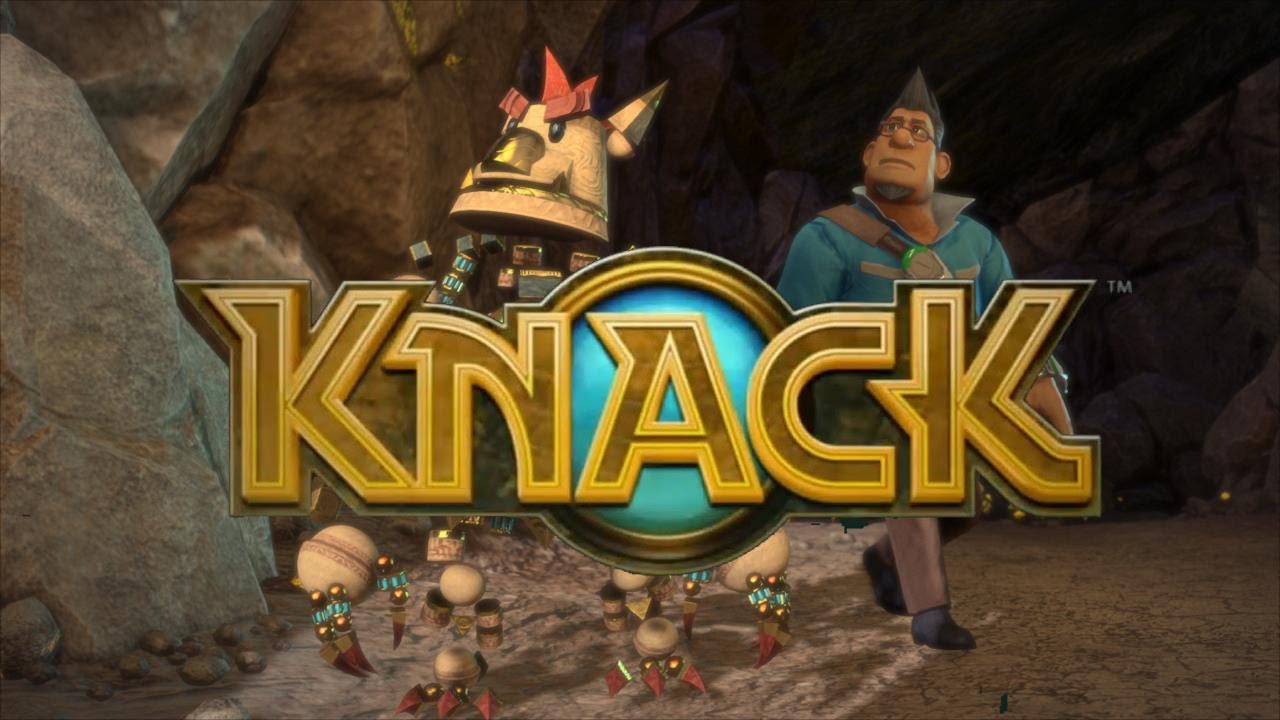
So you have to buy a new system… and if you still want to play older games… you’ll have to keep your old one. Sucks for space but that’s not a huge deal. There’s still great NEW games coming out. New games like this one:
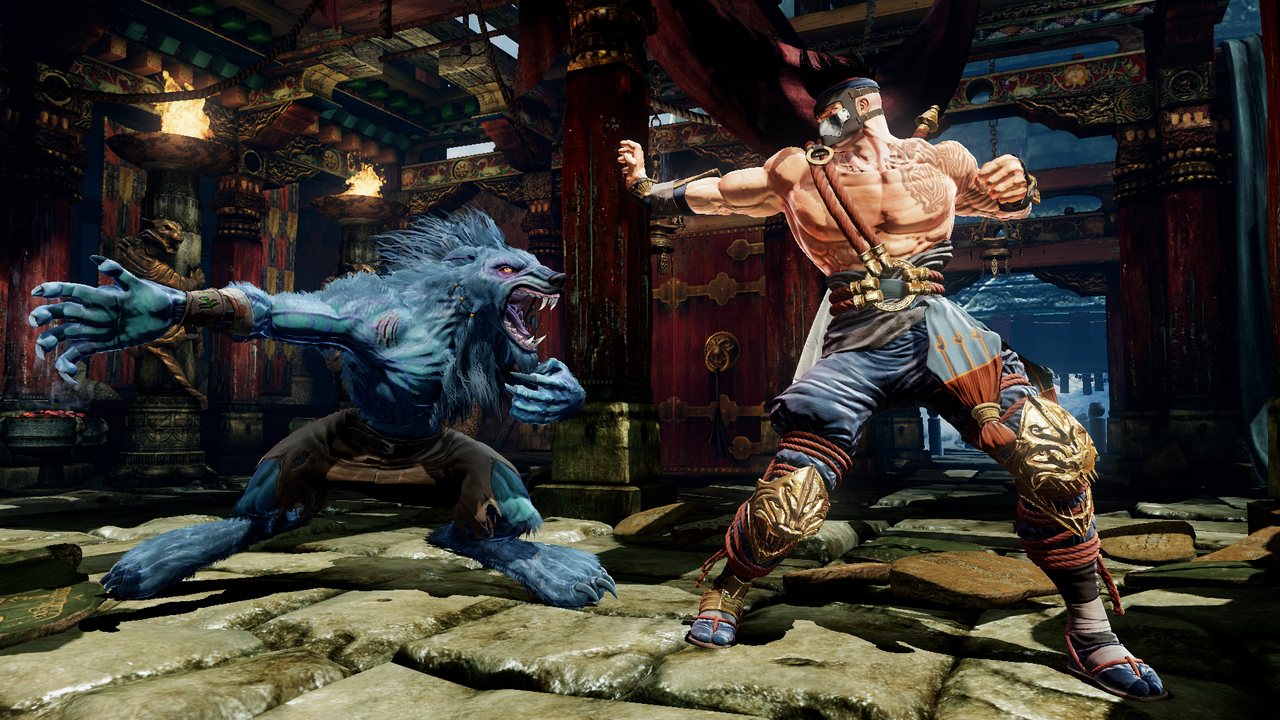
And this one:
And this one…
To be fair to the Master Chief Collection: four graphically remastered games is a pretty good deal.
You see my point – there are a lot of re-releases coming out. Hey, that’s okay though as both the Xbox One and the PlayStation 4 possess killer exclusives that can’t be played anywhere else. Exclusives like Titanfall – wait, no, exclusives like Watch Dogs – nope, not that one either, exclusives like Wolfenstein… not that one. What is an exclusive for the new systems?
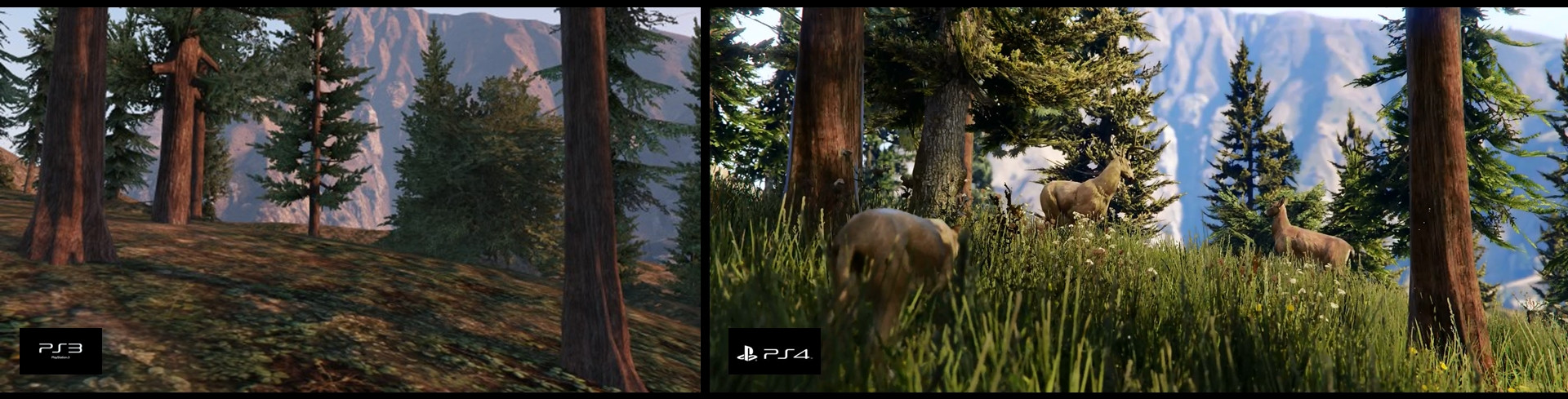
But obviously systems get more games the longer they’ve been out. This is not an article to bash the lack of exclusives. The problem with the re-releases is that they encourage double-dipping. Companies have found a way to charge $120 per game ($60 on the past-gen, $60 on the next-gen). Obviously, not every re-release is like this. To go back to Halo: the Master Chief Collection, some of those games are very old and packaging them all together is convenient for Halo fans. Let’s talk about Grand Theft Auto V though. That was one of the last great titles released for the Xbox 360 and the PlayStation 3. Now, it comes out for the next-gen with improved graphics:
Upgraded for all your Deer Hunter needs.
This game is a recent release and, while a graphical update is nice… is it really another $60 nice? I’m sure many people will answer yes, of course it is (it’s NEW after all). For everyone else – what’s the big deal, right? So idiots spend another 60 bucks, who cares? You can still play it on the old consoles… until you can’t. Remember when Microsoft shut down Xbox Live on the original Xbox? Is there any reason to think that that won’t happen again – no. It has already happened this generation with Nintendo shutting down the online services for the Wii and DS. Microsoft and Sony will eventually pull the plug on online support for their old machines. It probably won’t happen within the first year or two – but it will happen.
That is very bad for the consumer… but why is it bad for Sony and Microsoft? Well, consoles have competition from another source. You think that graphics update to Grand Theft Auto V looks nice? Well, check this out:
Consoles cannot win against PCs, at least as far as graphics are concerned. It is simply much easier to upgrade the graphics card in a computer. You know another advantage of PCs: you can play games you bought eight years ago on a new PC. In the backwards compatibility arena, computers are killing it. They have the power, the games, the gameplay.
But they’re more complicated!
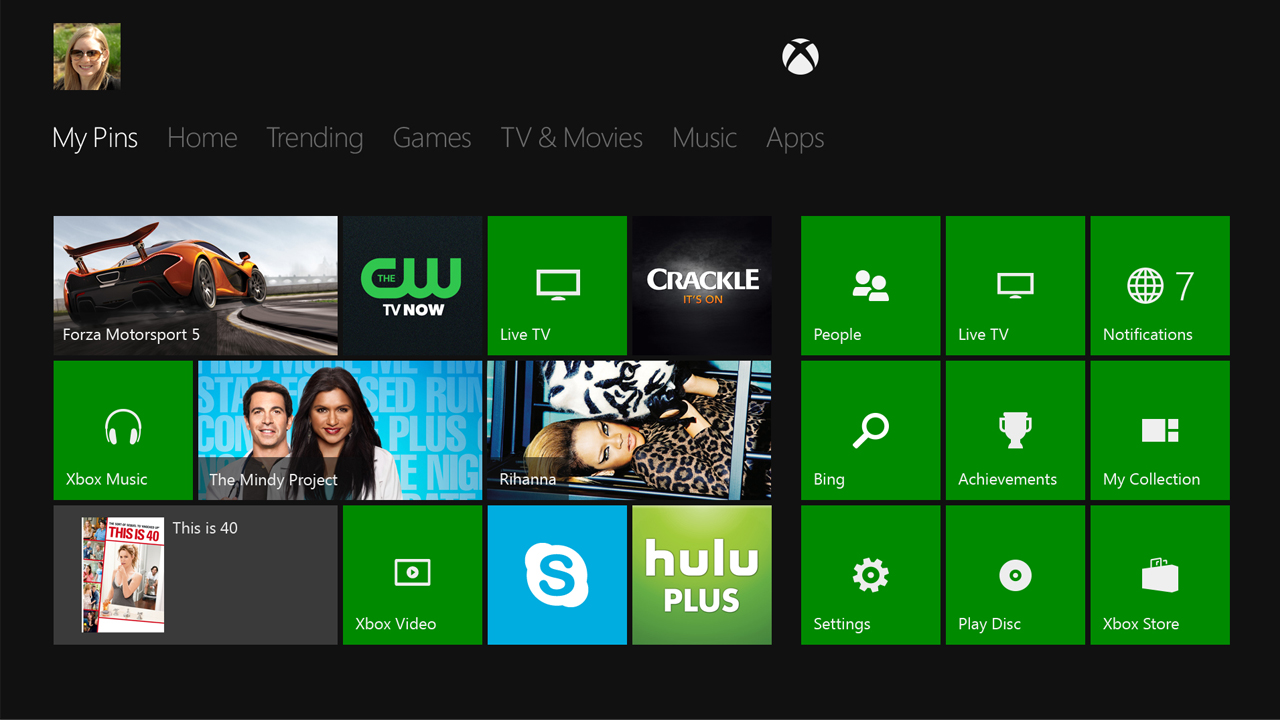
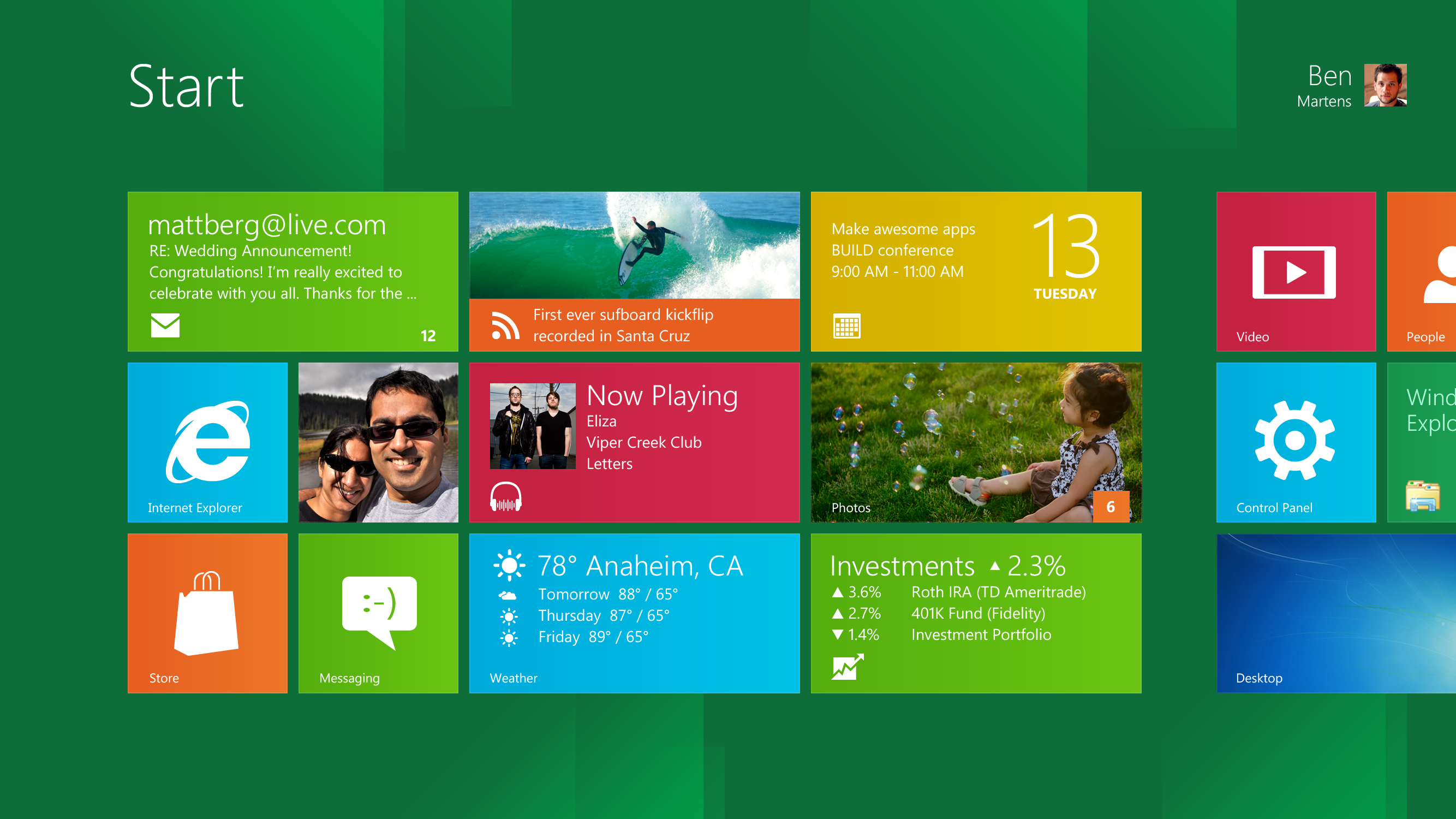
Yes for now but consider this:
This doesn’t look much more simple…… than this.
Consoles are losing the advantages of being consoles, without gaining the advantages of PCs. The industry will have to adapt or die, and no backwards compatibility is a move in the wrong direction.
PC gaming giant, Valve, is poised to enter the console race. This could be the largest newcomer since Sony unveiled the original PlayStation.










 Colin McMahon
