The Era of Good Judging

Judge (V):to form an opinion about (something or someone) after careful thought

: to regard (someone) as either good or bad

If there is one dominating philosophy in culture today it is “don’t judge me bro.” People hate being judged by others, and with good reason. When one examines the prejudice of the world, one sees that a lot of it comes from unfair judgment. Gays can’t get married, why? Religion judges it as not right. A woman should not be president, why? (some) Man judge woman as unfit for president. Prejudice, prejudice, prejudice. Well, thank god the new movement is away from judging… right? Turns out not really. When one examines the world today, one finds judging alive and well. From food choice to lifestyle choice to opinions of people we will never meet: we judge everything. I know I am guilty of it.

But is judging necessarily a bad thing? Well if you’re not judging… then it can’t be bad. Judging, like many actions, exist without any connotation. To label judging as good or bad is in itself to create a very restricting label. It’s wrong to judge. Can there be a more ironic statement?

Human beings (myself included) are not as perfect as we like to pretend these days. Look no further than the recent news regarding the new Daily Show host, Trevor Noah. Well, I’m sure you’re as shocked as I was to learn that Noah is a human being and has made a mistake in his years of life. I know, it truly is front page material.

Trevor Noah, ladies and gentlemen. He said something offensive on the internet,,, what a world shaker.

It is simply silly to look at all the lists on why you shouldn’t judge others. I can’t get over it. A list that says you should not judge, because judging is bad (what?!). To be fair, they’re not saying all judging is bad, they identify primarily the judgment of other people. Okay, fair enough. Let’s look at some images:

marriagerallyOkay, hard to look at that without forming some kind of opinion. Let’s try this:

Prop 8Odds are, you just judged one group of people, even if it was just for a second. I know I did. Let’s look at it though, on the surface it seems straightforward: the group on the top is better because they simply want equality and what is even that argument from the group below? But such a judgement is quick and shallow, as most online writings will tell you. I don’t know where the people in the lower list came from. I don’t know how they were raised. I identify with the people in the top picture because I want equality. In a sense, my act of judging the two pictures is simply a judgment on myself. I support one set of ideas and not the other.

Judging someone might be bad, but judging their opinions might not be. Then again, are we all simply our opinions?

This in itself is not a bad thing. By looking at what we judge in others, we are looking at what we judge most in ourselves. This can help us gain a sense of identity and look ahead to areas of improvement. That said, there seems to be a fine line between types of judgment. For example:

Hitler did a horrible thing.

vs.

Hitler did a horrible thing and he’s a bad person because of it.

I feel that there is a profound difference in these two statements. In the top one, I identify that I don’t agree with Hitler (yay me). In the second, I state that I don’t agree with Hitler AND I label him as something different from me. I’m going to guess I’m not alone in being someone who doesn’t think of themselves as a bad person. I feel that, by putting Hitler in the “bad person” label, I have said that I am not like him.
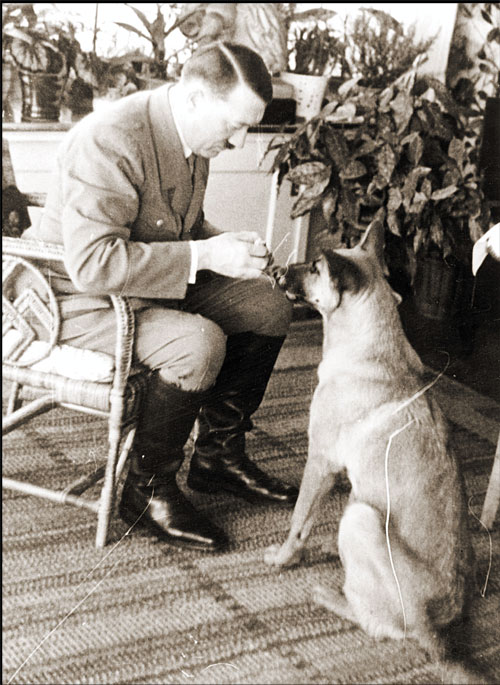
I feel like healthy judging comes with an admittance of humanity, and the ability to view us all as one race of traveler.

Well… that would be great except I am like him. I don’t mean in terms of political and moral alignment, but I am a human being. I was raised in a family, in a country, and with a set of values. Hitler had a family too. He did not spring from the womb mid-goose step. This does not mean that Hitler is above reproach. Indeed history has already judged him harshly. This judging is not bad. I think I speak for most of the world when I say that no one really wants to see another person do what Hitler did. Does most of the world not wanting it make it right? I do not know, questions for another day.

Regardless, since I deem myself (and myself only) incapable of not judging others, at least to some extent, I feel that the dialogue on judging needs to alter. I know I am not the only one out there who admits to judging. I mean, we can all admit that excessive judging of any kind is bad… as is excessive anything. That is what excessive means.

Personally I do not feel that judging to learn more about oneself is a bad thing. To look at another human being and ask “would I be happy if I were more or less like them” is not the worst question ever to entertain. That said, I feel like labeling, like labeling Hitler a bad person, is excessive judging and goes too far. We reduce the other person to something less than us, and in that way we never look at ourselves.

I feel like silent judging is another more negative type of judging. If someone has a problem with me, I much prefer they say it to my face. Not much changes by scowling my way.

Likewise, the last type of judging I will touch on is tough love. This means that we act harshly towards another to help them on. Hmmm, kinda getting into dangerous territory here. Tough love almost sounds like it implies that we know more than the other person. Well, this is not innately negative because sometimes… we do! A parent knows more than the child (usually). A teacher knows more than the student (usually). To say that the idea of tough love is wrong is to say that we can learn nothing from the other people on this planet. While it is true that no one will ever know you better than you, it is also true that no human being is an island.

I will admit that, as well as I know myself… I do not know myself completely. That means I do not know fully what I am capable of, I do not know fully who I am. It is in human nature to perceive ourselves as “good.” Most of us want to be, I know I do. I want to feel like I am always doing the right thing, even when I might not be. In that vein, it is good to have someone else inform me of my shortcomings, even when I don’t ask for them. I don’t know about you but I probably do not ask for what others perceive as my shortcomings nearly often enough.

To go without learning from other people is to think yourself better than them.

I will volunteer this: look on others and judge as often as you would like them to look on you. Hmmm, I believe there is a famous book that says something similar. It just seems silly to view judging as this evil action… while judging so often on such a daily basis. Maybe we need to reconsider the idea of weighing people on the scale. Let’s just make sure we put ourselves on there too if we’re going to.
 

NFL Journalism: Where Balls Matter More than Women, Children, and Brains

The New England Patriots are worse than Hitler. That is, if you believe the overwhelming negativity directed at the Patriots within the past week. The reasoning behind this: after last Sunday’s AFC Championship game against the Colts, reports surfaced of an investigation against the Patriots with regards to ball inflation. This basically means that the Patriots are being ACCUSED of cheating. Not a game-determining cheat mind you, nothing as serious as that, but still – cheating is cheating and the integrity (scoff, excuse me) of the NFL sport must be protected. I don’t mean to undermine what the Patriots MIGHT have done. Cheating is cheating and, IF found guilty – they should face appropriate consequences. “Deflategate” as it has come to be called, has called back into question much more serious issues of integrity, however, in my mind at least. The integrity of major sports journalism is under question… and it might be doing worse than the Patriots.

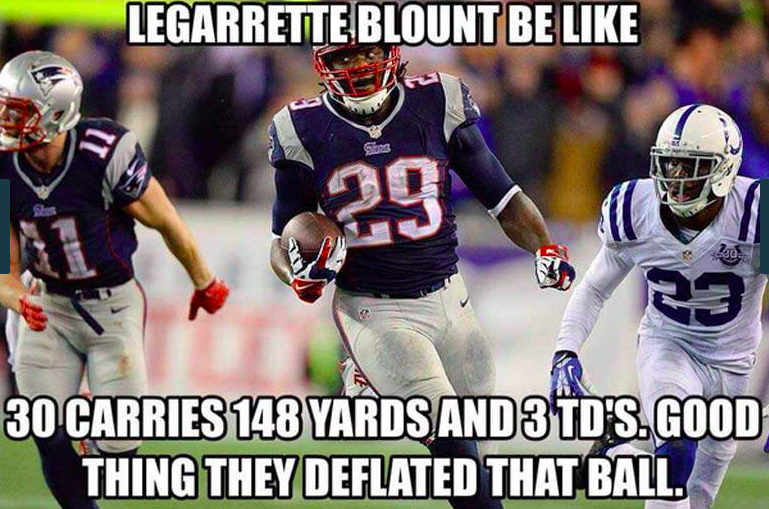
Even with the ball deflated, players (Colts and Patriots) agree that it had little-to-no impact on the game.

This article will focus primarily on ESPN and Sports Illustrated, two of the larger and more trusted sources of sports journalism in America – and specifically their handling of the DEVELOPING Deflategate situation.

The Patriots are not liked around the nation. One does not have to look far to find evidence of this. Part of the hatred has foundation. In 2007, the New England Patriots were found guilty in Spygate, essentially cheating by recording more signals than they were supposed to from the other team. Were they the only culprit of this: probably not, but still – cheating is cheating and I, as a New England Patriots fan, found the punishment fair. No one is above the rules.

The New England Patriots cheated 8 years ago. This does not make all current and future allegations against them immediately true.

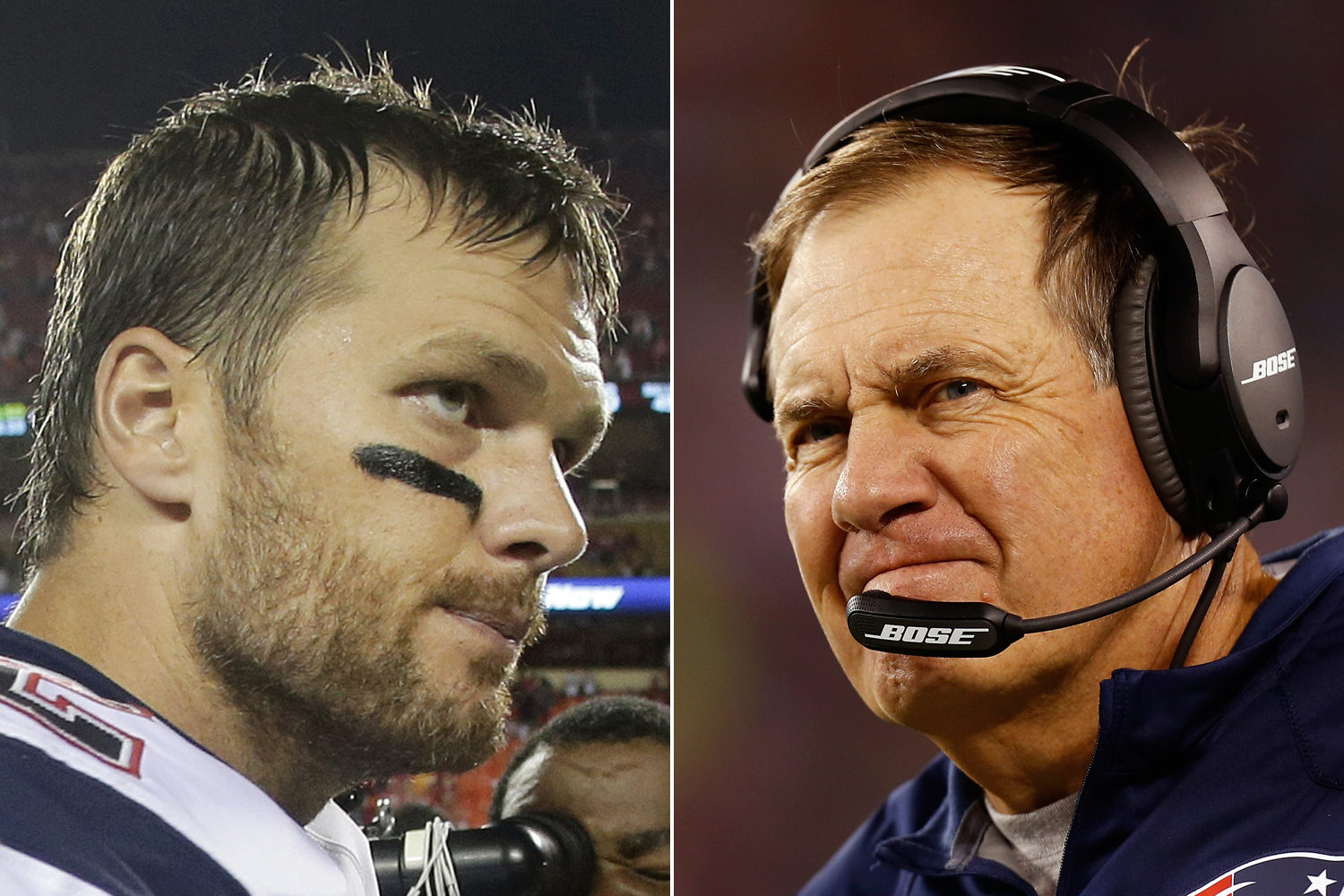
Part of the hatred comes from something else though: the Patriots are a good football team. No, that’s an understatement. They are a great football team. Bill Belichick and Tom Brady might be the best coach-quarterback combo in the history of the game. I don’t say that just as a fan, there are numbers to support this.

Okay, cool – the Pats rock, how does this matter? Well, sports journalism is made up partly of former players: people who have played largely within the past ten years… also known as: a lot of people the Patriots beat. If you think this does not matter, if you think that athletes and former athletes do not have huge egos – you are fooling yourself. So right away, the POTENTIAL exists for bias. I am not going to accuse anyone of anything without evidence…

Want some evidence?

Let’s talk about Jerome Bettis, an excellent former player who now does analysis for ESPN. I have zero issue on Bettis reporting facts. Here is a link to his video discussing the Ray Rice incident, which occurred at the beginning of the season. Wow, okay – he is very supportive. Granted, all the facts were not known at that time but he appears to be approaching the situation with an open mind. Cool…

Here he is on the Deflategate INVESTIGATION:

Holy f*ck. What happened to the calm, thoughtful, contemplative Bettis that we saw earlier? Patriots are known felons? Sir, even by the loftiest of standards: the Patriots have never broken the law. Rules, yes – but not law. These are both videos taken from (at the time) ongoing investigations. One is about balls being properly inflated, one is about a woman being beaten unconscious. Excuse me for saying but: your passion appears misplaced.

Now let’s talk about Michael Rosenberg, a New York journalist who writes for Sports Illustrated. Rosenberg has a past of putting things in perspective. He fairly called out and condemned the handling of the Adrian Peterson situation from earlier in the year. Rosenberg has struck me as an intelligent and thoughtful journalist, but one of his articles goes much too far. I would bother to tear apart the piece he wrote on the Patriots after INITIAL REPORTS of Deflategate surfaced, but someone else beat me to it. Journalism is not about reporting thoughts, or rumors, or making wild accusations based on what you read on the Internet. That’s what blogging is for. Journalism is about reporting the facts. Judgement is left to others. There is not one fact in Rosenberg’s list of wild accusations against New England, and yet this was posted on a very reputable sports site.

The rush to judgement has caused many Patriots' fans to tune out the allegations, or make fun of them completely.
The rush to judgement has caused many Patriots’ fans to tune out the allegations, or make fun of them completely.

Okay, back to ESPN. Over the past week, I have seen headlines like “Don’t Believe Brady” (later changed to “Hard to Believe Brady”). Again this gives the impression that the Patriots have already been found guilty. The have not. In fact, if you’re wondering why I haven’t gone more into the facts of the case, it is because they keep changing. I will get to that in a sec, but I wanted to draw attention to one more fun article from ESPN first.

This one.

Let me be beyond clear: truth is not an opinion. It never has, nor never will be influenced by the common consensus. So why does this article exist? Maybe to show that around the world, people are not taking the Patriots at their word? Hard to believe that ESPN readers wouldn’t trust them after reading headlines like those I just mentioned.

The point is that the coverage has been horrible. Want the facts of the case? Colts defensive player D’Qwell Jackson DEFINITIVELY started the investigation into the possibility of deflated balls… until he didn’t. Bill Belichick was DEFINITELY the mastermind behind the cheating… until it was (and currently is) DEFINITELY Tom Brady. With all this disbelief going around – against the Patriots, against the NFL, it seems that no one is levying it against the people who are reporting the news. What is going on? How do we even know there was ever a scandal and not some accident?

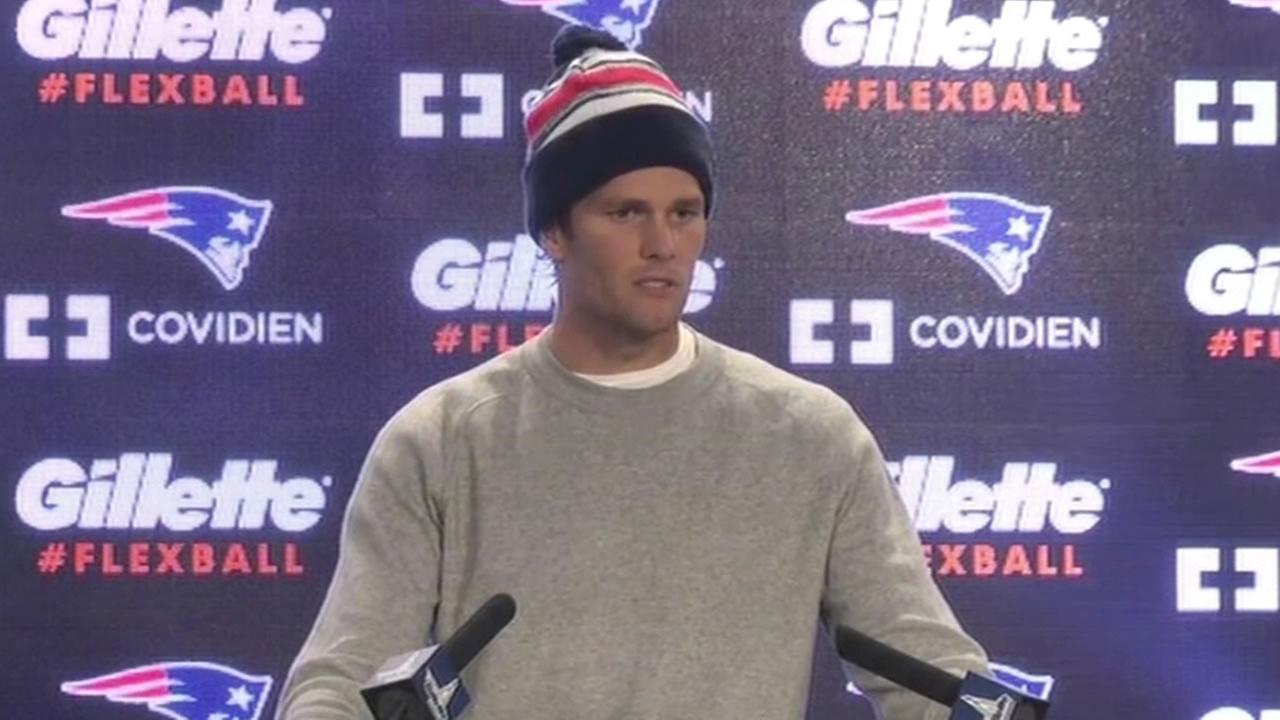
During his press conference, Tom Brady denied all involvement in the SUPPOSED scandal. He was then asked several times if he was sorry. HE JUST SAID HE DIDN'T DO IT!
During his press conference, Tom Brady denied all involvement in the SUPPOSED scandal. He was then asked several times if he was sorry. HE JUST SAID HE DIDN’T DO IT!

Let’s say (and this is just a scenario based on known facts): 36 balls were inflated for the game, 11 of them came out below the guidelines. Tom Brady, being the hometown quarterback gets first pick. Brady, who has already stated his liking of under-inflated balls, chooses those he feels least inflated (not knowing that it is below league regulation). Then Andrew Luck chooses, then the remaining 12 go to special teams. Saying this happens is admitting that NFL officials made a mistake (hard to believe I know, especially in this playoff season). But it is just that: a mistake. Doesn’t sound nearly as sexy as a cheating scandal, but this may be the truth.

“Things are going to be fine — this isn’t ISIS, no one’s dying.” Tom Brady said this and it is a fair point. This isn't even Baltimore or Minnesota: where actual crimes happened.
“Things are going to be fine — this isn’t ISIS, no one’s dying.”
Tom Brady said this and it is a fair point. This isn’t even Baltimore or Minnesota: where actual crimes happened.

The truth that does not appear to matter since the Patriots were found guilty by the media on day one. Come on guys, we get that you don’t like us. I don’t like the Yankees, the (New York) Giants, or either of the Manning brothers – but I would never call any of them cheaters without all the facts.

For anyone wondering: the NFL is currently finding a hard time linking the deflated balls to any purposeful wrongdoing. Doesn’t matter, ESPN and Sports Illustrated have already ensured that the Patriots reputation has suffered. Guilty until proven innocent… and if innocent then conspiracy. Hey journalists, I know you might take offense from a Patriots-fan and internet blogger telling you this… but do your jobs.

The appropriate punishment, as long ago determined by the NFL, is a $25,000 fine by the way… in case anyone was wondering. Rules should not ever be broken… but you can kill someone or you can go 5 miles over the speed limit. This is the latter.


Marketing Method: "Based on a True Story"

As audiences, we see these words a lot. Recently, I was at the cinema seeing The Imitation Game and these were the first words to greet me on the screen. It gave everything in the film a sense of gravity and added weight. I was not watching fanciful creations but someone’s actual life, dramatized because of its significance… or so I thought. Afterwards, I immediately inquired further into the validity of The Imitation Game‘s information. There were inconsistencies to say the least. This is not to say anything negative against the movie as a film, or to single it out as the only culprit when it comes to twisting reality. This happens a lot. Books, movies, even video games all love to use the tagline: based on a true story. Well cool – what’s it mean?

Very little.

For those who do not know, Fatal Frame is a game where you take pictures of ghosts with a camera... yeah, cause that totally happens.
For those who do not know, Fatal Frame is a game where you take pictures of ghosts with a camera… yeah, cause that totally happens.

After some digging, I was able to find a legal definition in regards to the phrases “based on a true story” and “inspired by a true story.” Keep in mind, this is in regards to literature (although safe bet that similar stature exists for the other media types):

No difference of any legal consequence between ‘based on’ and ‘inspired by.’ Each of them suggests that there is a core of truth to the story but that you are embellishing or going beyond the factual record. This is something we call ‘faction,’ a conflation of fact and fiction and it can under some circumstances give rise to libel claims, but not if the story is about animals.

“A core of truth” does not go far to keep a story grounded in reality. Essentially, what that means is that one significant aspect of the story must be true. If one is making a film about a real life killer for instance – a killer will be in the movie. Does the movie killer have to be related to the actual killer? Look no further than Ed Gein vs. Leatherface for the answer to that one.

As the definition suggests, legal trouble can also arise from uses of the term. Families and living relatives often take issue with film portrayals of their ancestors (let’s use The Imitation Game again as an example). In the case of the atrocious film, The Fourth Kindmany newspapers and an entire city were angered over the film’s liberal use of “based on a true story.” Argo might hold some kind of record since it angered the majority of Canada by downplaying the country’s role in the “true” events depicted on-screen.

Remember that gay player from Remember the Titans? Not gay at all in real life. How would you feel about seeing an onscreen representation of yourself with a different sexuality?
Remember that gay player from Remember the Titans? Never happened in real life. How would you feel about seeing an onscreen representation of yourself with a different sexuality?

So, with all the trouble that can come of “based on a true story,” why do they use it?

Because we love it.

In many cases, this phrase appears associated with either drama or horror, leveraging that all important aspect of audience relatability. What could be scarier or more moving than something that actually happened? The chills of a “real-life” psychopath will get the adrenaline flowing better than any fictional boogeyman. Anyone experiencing either the rush or low of a relationship will take solace in knowing there are other people out there who went through similar situations.

The use of real life characters adds more weight to certain genres of storytelling.

Is it real… well does it need to be? “Based on a true story” is used to heighten emotional reaction. The upside is, this technique clearly works as more and more films adapt it into their hits. The (potential) downside: some people actually believe it while it further increases the cynicism of others.

The Internet: proof that some people will believe anything.

So who is responsible? While some blame Hollywood and publishers for their overzealous use of phrase, I believe that it is the audience’s responsibility to be informed. It is a lazy mind that takes everything it sees or reads at face value. That is not to say that they have the right to lie or slander individuals at will. Let’s keep those laws we have working for us.

If anything, “based on a true story” should be taken as an invitation to do some research. Heck, if you already thought the subject was interesting, why not look into it a little more?