Blog

Love Triangles and the Female’s Role in YA

Quick note: this can apply to plenty of adult fiction as well.

Last night, I had the pleasure of having a discussion with a couple of my fellow authors from Pen Name Publishing. For about a half an hour, we talked about the role of women in young adult (YA) literature, paying particular attention to the question: why are so many female protagonists always in love triangles? Basically: why are so many female protagonists defined by their quest to find love? Why is this such a common thread in young adult writing?
Continue reading Love Triangles and the Female’s Role in YA

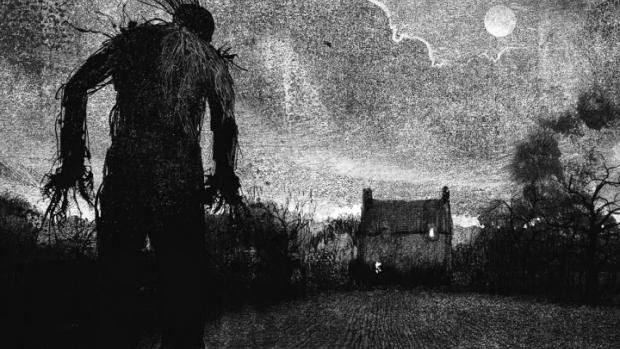
A Monster Calls: When the Wild Things Grow Up

Most young adult fantasies are safely detached from the real world. They exist in fictitious lands that bare only certain semblances to our lives. While many tackle familiar issues, the screen of the alien is always there to obscure everything. Not too much for the message to be lost, just enough for it to be fun. A Monster Calls smashes through that screen, picking the reader up into a world feels every bit as beautiful and terrible as the one we wake into each day of our lives.

Continue reading A Monster Calls: When the Wild Things Grow Up

Writing Villains: the Moriarty Problem

When writing fiction of any length, one of the most important characters to focus on is the antagonist. Merriam-Webster defines the antagonist as “one that contends with or opposes another.” In the case of writing, the antagonist is always in conflict with the hero of the story, or the protagonist. All great works seem to have strong protagonists and antagonists: Othello and Iago, Frankenstein and his creation, Sherlock Holmes and Professor James Moriarty. These characters enter into a struggle that is captivating from beginning to end. BUT – then the book ends, Holmes and Moriarty go over the falls – Holmes lives, Moriarty dies.

What next?

Continue reading Writing Villains: the Moriarty Problem