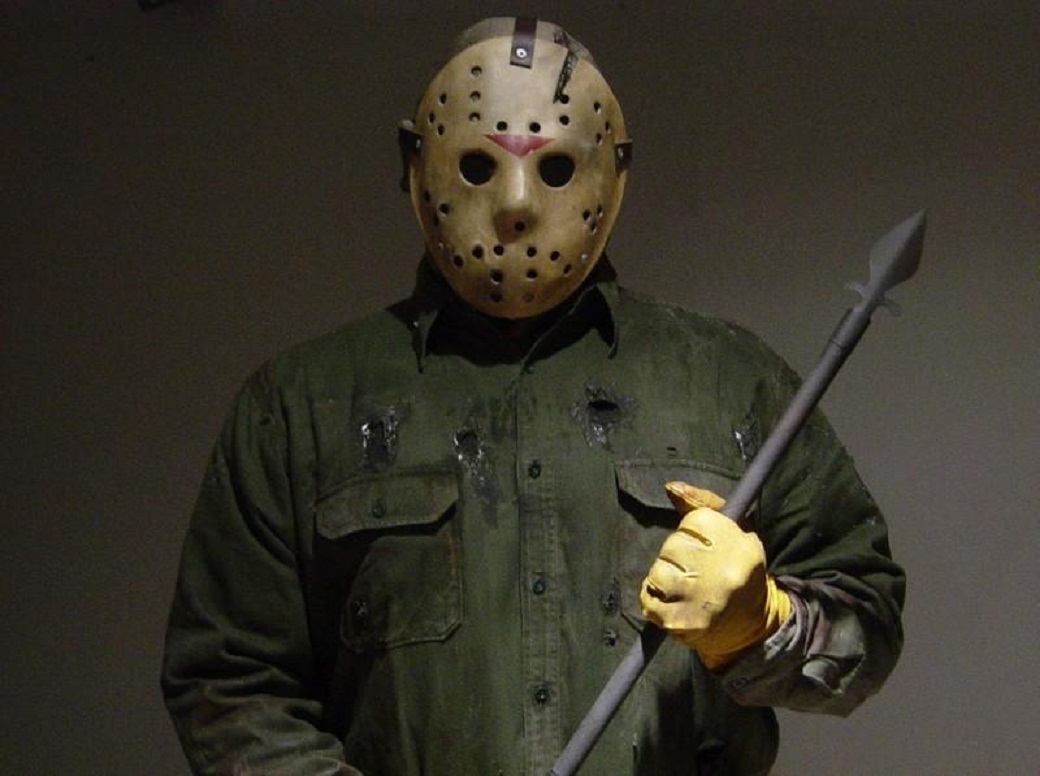
Defining Slasher or Five Films You Did Not Know Were Slashers

Before getting into this article, one definition must be clarified. Specifically: what is a “slasher” movie? What are the criteria, what makes them different from regular horror films? There are variations on the definition. This is the Wikipedia definition:

“A slasher film is a subgenre of thriller and horror film, typically involving a psychopathic killer stalking and murdering a sequence of victims in a graphically violent manner, often with a bladed tool such as a knife, machete, axe, scythe, or chainsaw.”

It is not a terrible definition, but personally I do not feel it covers the entire genre. Here is another from Urban Dictionary:

“A horror movie usually with one central homicidal maniac who usually uses cutlery to systematically slaughter his victims.”

Closer but I am still not on board with it. I guess my complaints at “slasher” definition come from the fact that the poor movies seem to have defined the genre. Critic Roger Ebert used to refer to slasher films as simply “dead teenager movies.” However, I feel to let the low-quality define is to do a disservice to the genre. It would be akin to defining dramatic films as “movies featuring multiple emotional breakthroughs, often done in an over-the-top, cathartic manner.” Are there more bad slasher films than good: absolutely. The ratio is probably similar to the amount of Spartans vs. Persians at the battle of Thermopylae. Still, let’s expand this definition a little.

In my mind, I have never considered the choice of weapon relevant to the “slasher” definition. “Slashing” simply refers to the high body count these movies typically have. This does not mean that many people have to die, just that a high portion of the cast is no longer present by film’s end – due solely to the actions of that film’s “slasher.” Hmm, actually – all this use of the word slasher is getting confusing. Maybe there is a better way to explain my point. Below are five films I feel are slashers – which are left off using the standard definition.

5. Predator

There ain’t no teenagers in this movie. Released in 1987, Predator stars Arnold Schwarzenegger and follows the struggle of a team of special forces against an alien with super-powered technology. This alien stalks the team one-by-one as they try to make their way through a savage and isolated jungle. There is no sex, no real drug use beyond tobacco, and no nudity to speak of. Yet, boiled down: Predator is a killer hunting people in the forest. It is not a stretch to label this film a slasher, even if it is in the realm of science fiction.
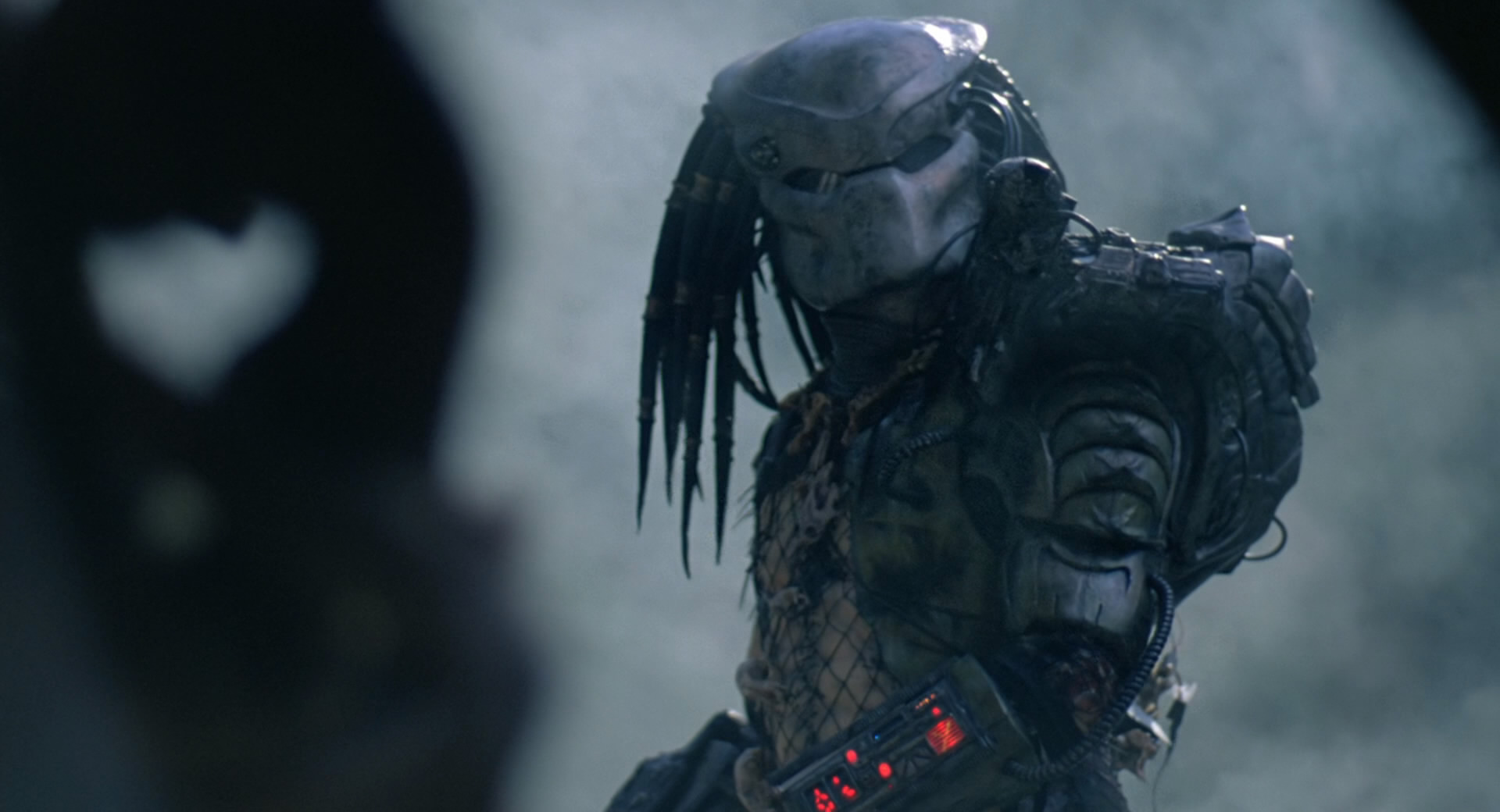
Oh look at that, he's even wearing a mask!
Oh look at that, he’s even wearing a mask!

4. The Terminator

More Schwarzenegger, only this time he is the unstoppable superhuman killer. Arnold plays the terminator – a robot sent back in time to kill a young woman. The Terminator is perhaps the best example of a slasher movie embracing the “indestructible” nature of the killer. In the more traditional slasher films, the police are always seen as a source of safety. Once they arrive, it is all over. Later slasher movies would shatter this illusion of strength but none so effectively as The Terminator.
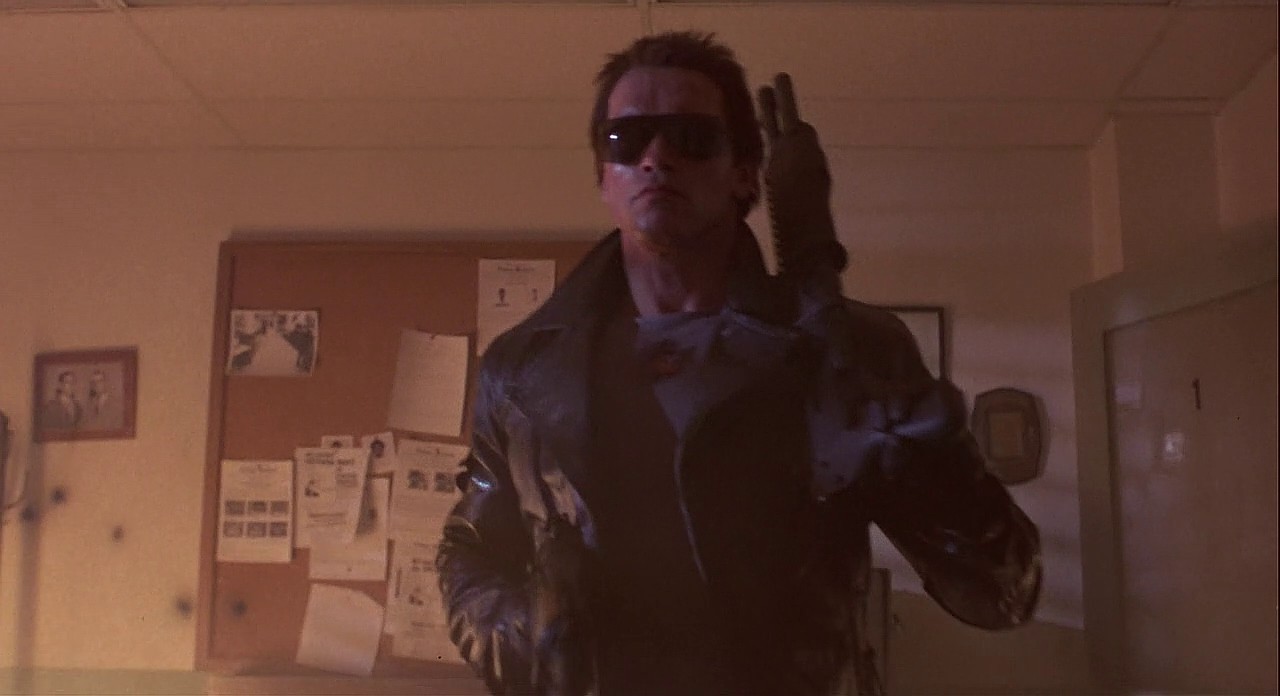
This is the most famous example of a killer walking into a police station and just demolishing it.

He does not ever use a knife, yet that metallic arm that reaches for Linda Hamilton‘s character at the end can be seen as an equivalent weapon, at least in terms of its threatening presence.

3. Alien

Well, if Predator was a slasher…

I have actually already talked about this movie at length in an article I wrote some time ago. To recap: Alien uses the isolation of space to put a superhuman antagonist against a group of unsuspecting people. Notice that this ‘superhuman’ nature of the killer is a definite recurring theme in all of these movies, as is the setting’s feeling of isolation.
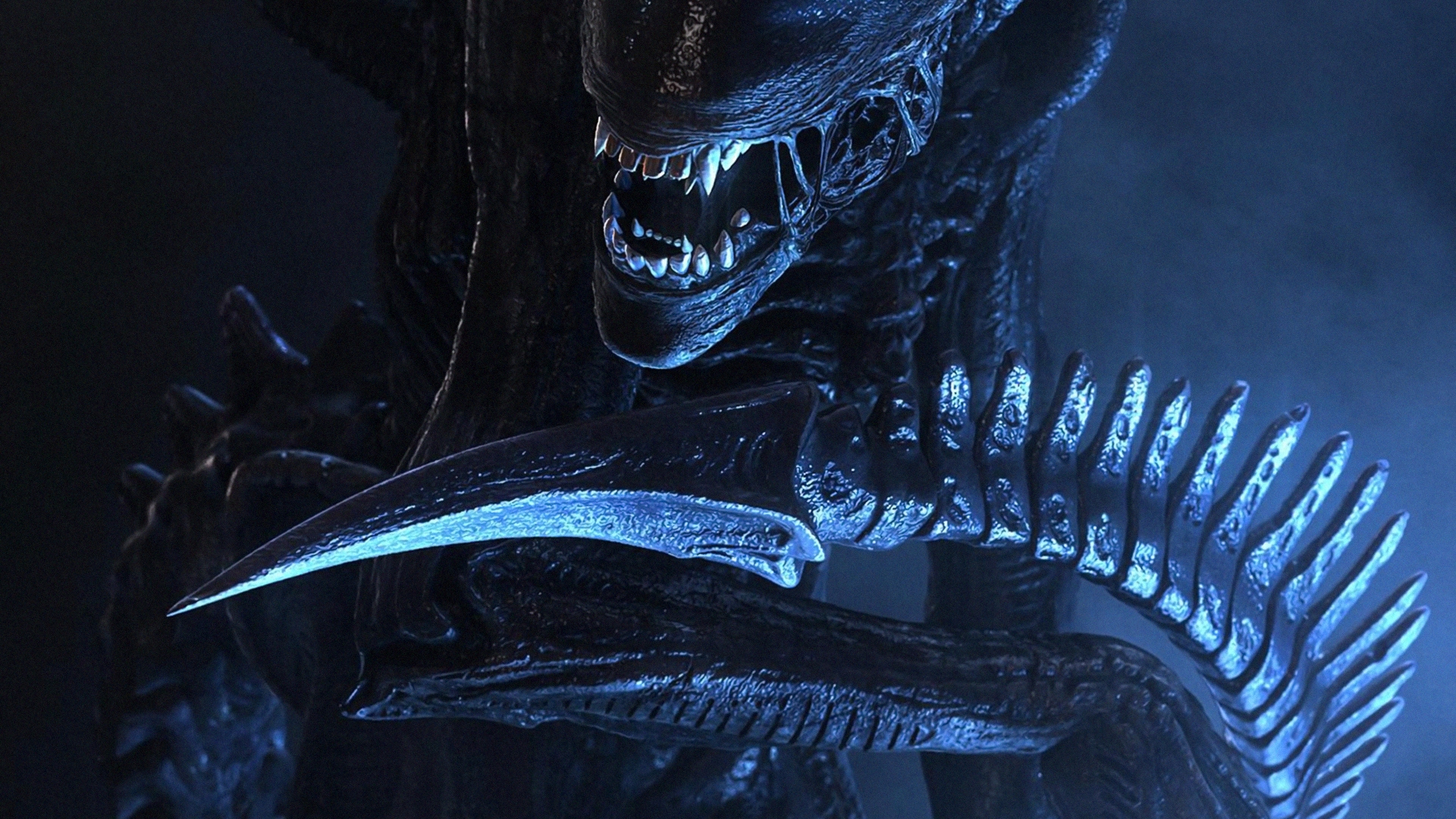
The scorpion-like tail can be seen as the alien's slasher weapon.
The scorpion-like tail can be seen as the alien’s slasher weapon.

2. JAWS

Made in 1975, Jaws predates Halloween by three years. The plot of Jaws is simple: a shark terrorizes an island and the local authorities have to respond. Yet it does appear to be a regular shark, made superhuman only by the fact that it is a great white in water. The true superhuman element comes from Spielberg’s directing. The shark is presented as both an animal and a thinking opponent. There is an intelligence to it that emerges in the second half of the film. The shark may not have a ton of actual screen time, but John Williams’ score makes it a presence throughout the movie. This is no simply shark, it is a slasher.

He's either very smart or very dumb.
He’s either very smart or very dumb.

1. Willy Wonka and the Chocolate Factory

So odds are, this is the one you’ve been waiting to read about. How could Willy Wonka and the Chocolate Factory be a slasher? It’s a family film, with wonderful heart-warming sequences like:

Yeah, this movie is terrifying. Willy Wonka is a superhuman individual who picks children off in his chocolate factory. The kids vanish, never to be seen again. Sure, Wonka says they are all right (and they probably are) but it does not matter. For all intents and purposes, he is murdering those kids in really over-the-top style. Willy Wonka is never clearly described as a good guy and actually, plot-wise, he functions as an antagonist of the film. Charlie must survive his challenges and pass his test.
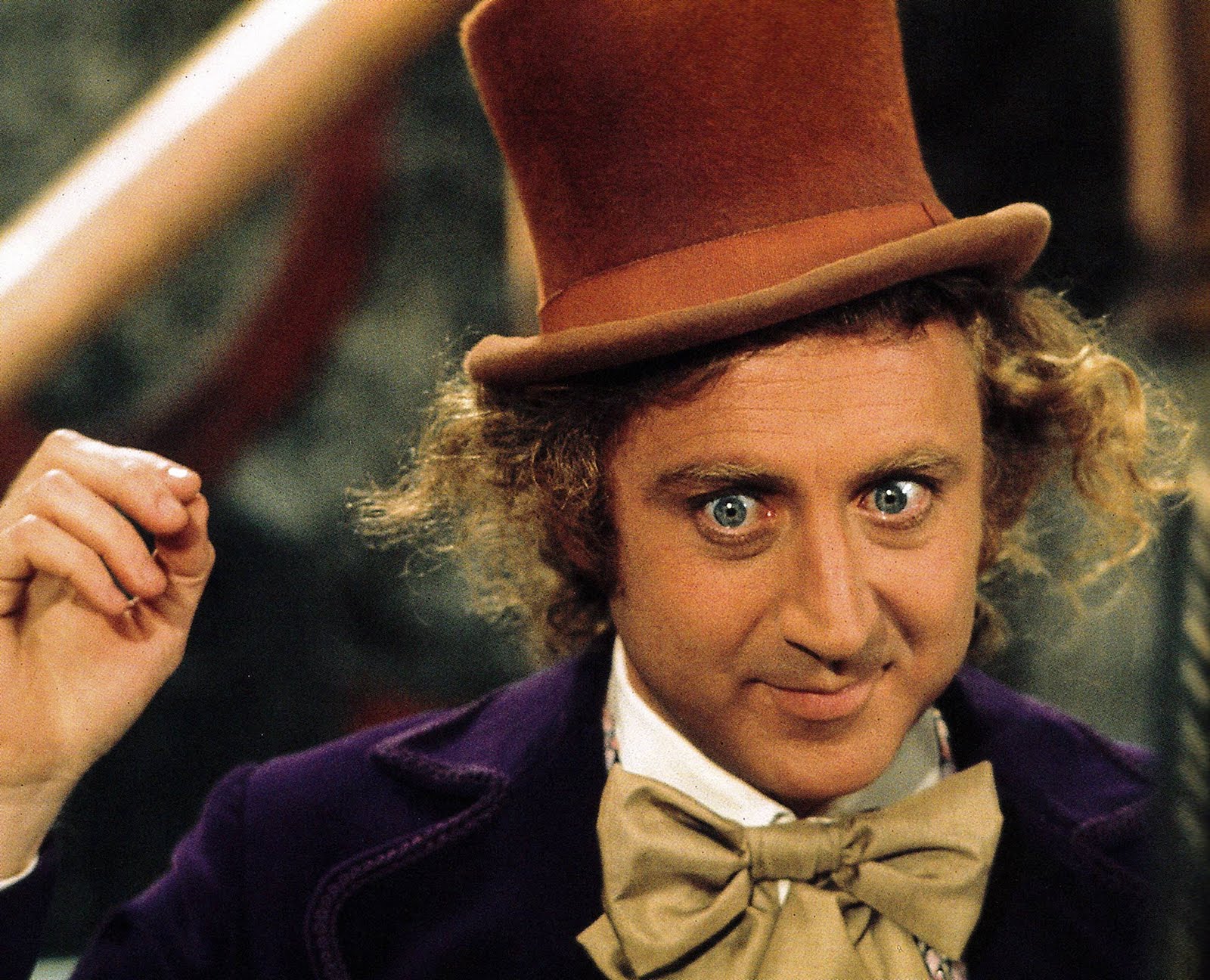
"I knew that from then on the audience wouldn't know if I was lying or telling the truth," - Gene Wilder on Willy Wonka's old and feeble introduction
I knew that from then on the audience wouldn’t know if I was lying or telling the truth,”
– Gene Wilder on Willy Wonka’s old and feeble introduction.

Made in 1971, this is the first slasher (that I know of).

So what is a slasher? Does it even have to be a horror film or is it just a set of guidelines?

Here, let me make right now the official Red Rings of Redemption definition of a slasher movie:

“A slasher film is any movie, usually set in an isolated area, that focuses on a superhuman antagonist who preys on a comparatively high number of victims.”

There we go. I might refine that as time goes on but for now – let it stand.
Dear NetherRealm: Please Make a Slasher Fighting Game!

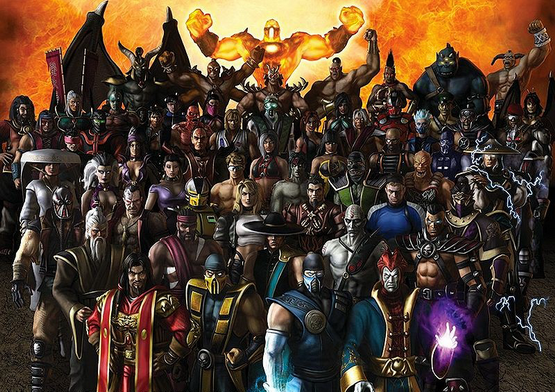
Some things just go together. There are plenty of essential combos like peanut butter and jelly, cake and ice cream, and NetherRealm Studios and video game violence. For those out there who don’t know, NetherRealm Studios is essentially the old Midway Games: the makers of Mortal Kombat. Mortal Kombat is a fighting game series famous for three things – gore, fatalities, and this incredible 90’s theme song:

Seriously guys, please include an updated version of that song in Mortal Kombat X.

Yet fighting games have struggled recently. The genre appeal grows more narrow. Really of the last five entries in the serious, only 2011’s Mortal Kombat was a serious hit and a critical success. The game featured a return to the series’ roots. Gone were the gimmicks, back were the classic fighters and tight fighting mechanics. It was a really fun game to play, and one of the downloadable characters was a tantalizing tease.

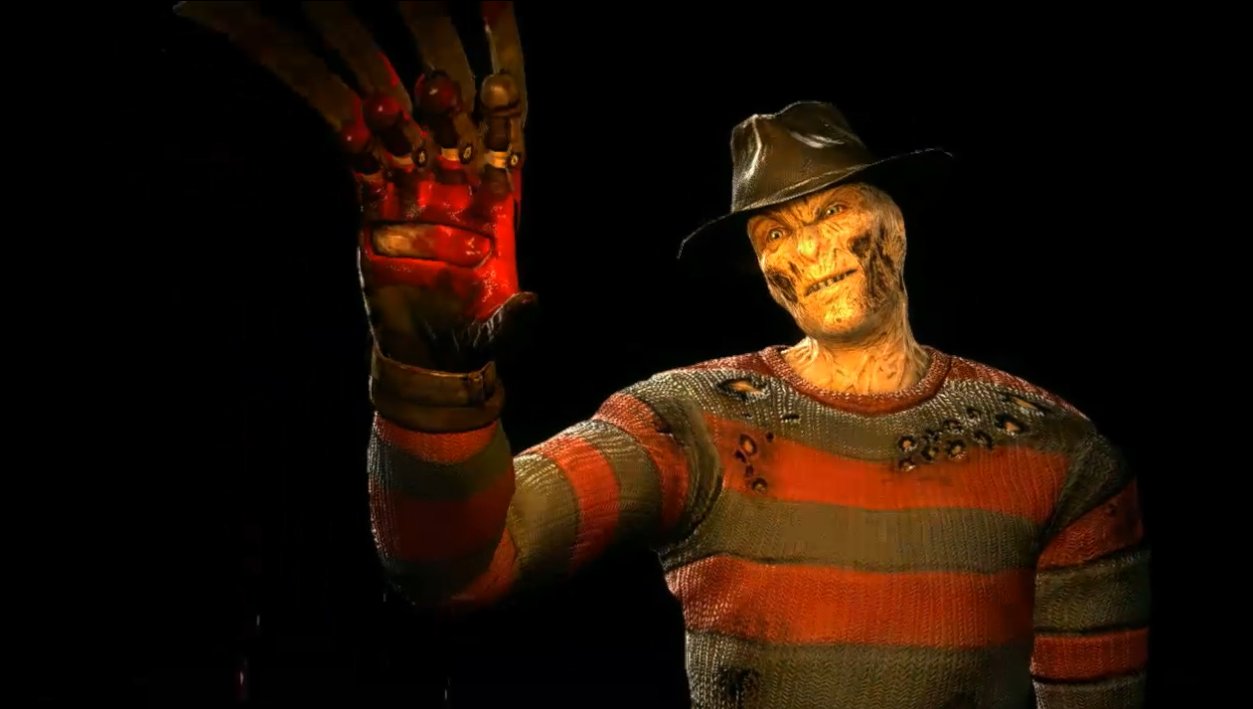
freddy-krueger-in-mortal-kombatThe nightmare master himself, Freddy Krueger. Even the fact that they used the design from the crappy remake did not do much to reduce the awesomeness of this appearance. It just made sense, like the appearance of Kratos in the PlayStation 3 version of the game. Where else did slashers like Freddy belong if not in the most gory video game series out there. And if NetherRealm was thinking Freddy for Mortal Kombat, could they not be thinking more slashers… like say a game’s worth?

But it did not materialize. Instead, NetherRealm moved onto the DC heroes and brought gamers Injustice: Gods Among Us. For the record, this was also a pretty enjoyable fighter. That said, the marriage was not perfect. NetherRealm had to drastically tone down the level of hyper-violence it is known for, and things like  interactive environments played a much larger role. It was good but, well – slashers would be cooler.

Think of it: classic characters like Jason Voorhees, Michael Myers, Leatherface, Chucky, Ashley Williams, and Pinhead face off against newcomers like Victor Crowley, Sam, and Jigsaw. The roster practically creates itself. Heck even the first two downloadable content bundles are easy to think of. First, the sci-fi slasher bundle including the Alien, the Thing, and the Predator. Then, the Universal Monster Classic pack. Jason Voorhees vs. the Creature from the Black Lagoon? Yes, please.

And the wonderful thing about slashers is that they each have their own unique location. This makes coming up with stages a breeze. NetherRealm could even bring back their interactive environments to help add variety to each level.

But the best part is: no need to turn down the gore. Every slasher would have a complete list of fatalities. They would simply be a best-of combo from all their movies. Just look at this:

It practically codes itself.

How perfect an idea is this? Indie developers have already created Terrordrome (free download guys, get it) while waiting for NetherRealm to get on board.

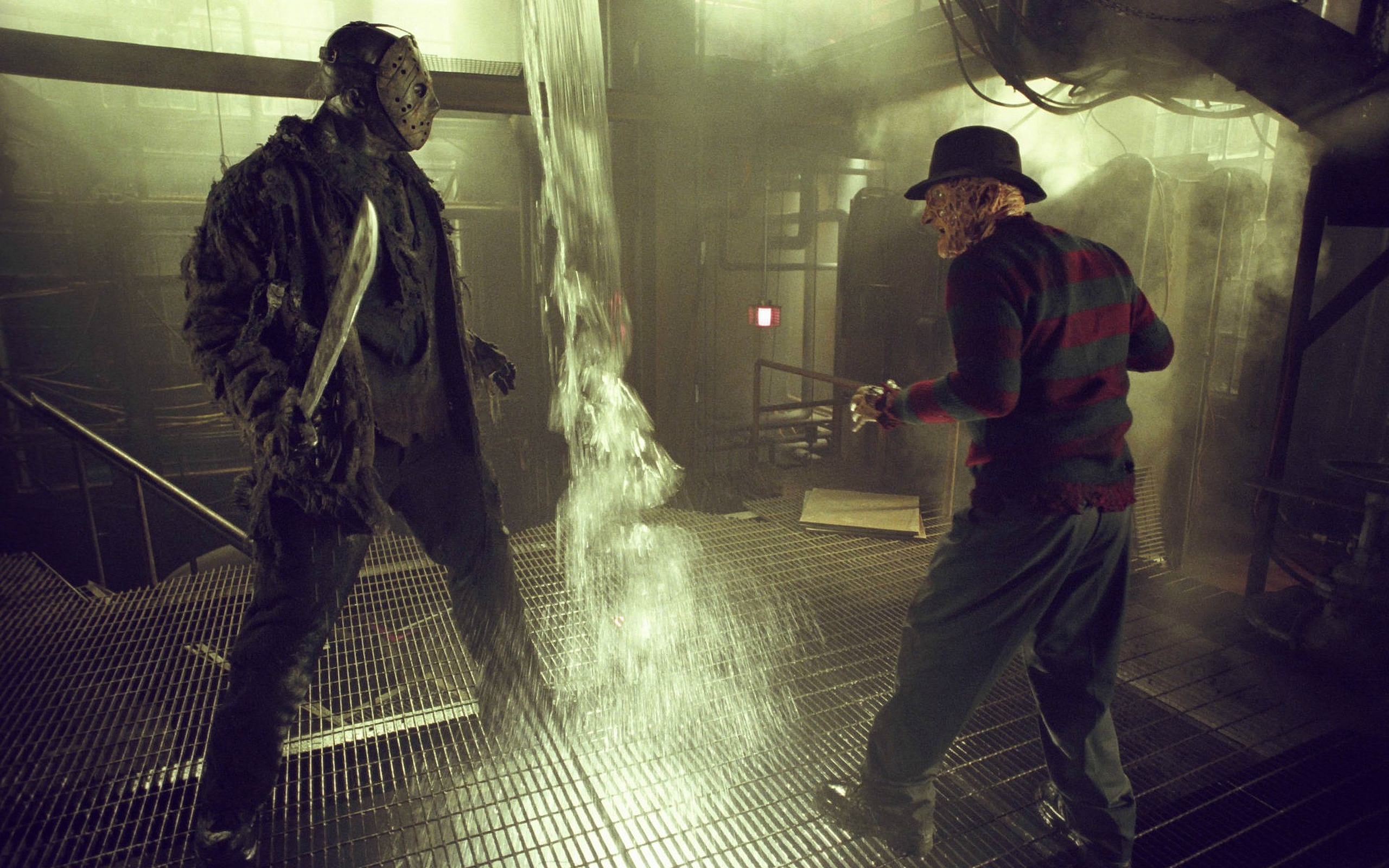
Now, the only obstacle would be in obtaining the rights. Not all of these characters are owned by the same company. That said, quite a few of them are – Freddy vs. Jason is proof of that. Also, who is Hollywood kidding, slashers are not as popular as they once were. NetherRealm could probably acquire most of these characters for cheap on the basis of brand promotion.

Would it have the immediate wide appeal of a game like Injustice: Gods Among Us: no. That said, it would actually likely sell better. As mentioned before, fighting games are an increasing niche market. With the exception of Nintendo’s Super Smash Bros., no fighting game will top this year’s list of bestsellers. The trick is to appeal to the fighting game fans out there.

Frankly NetherRealm, a new Mortal Kombat with new characters made fresh on the heels of 2011… may not be what fans really want.

Just look at all the favorite characters added from recent entries... all two of them.
Just look at all the favorite characters added from recent entries… all two of them.

Release a slasher fighting game in time for October and see what happens.

Picture this... but a lot more so.
Picture this… but a lot more so.

Hallo-what? How Michael Myers Became a Jason Voorhees Knock Off

Right now all the horror buffs out there read the title and exclaimed: “Impossible! Halloween came out two years before Friday the 13th, and Jason wasn’t even the killer until Friday the 13th Part 2!”

First off: calm down.

Let the lines be drawn. Which silent psychopath is the best?

Secondly, yes it is true. While Michael Myers began the modern-day slasher genre of films, he did not have the personality or the ability to adapt the way Jason Voorhees did. This is a similar scenario to the Gobots (1983) and the Transformers (1984). While Gobots did it first – Transformers created the characters that audiences remember.

For the record, Michael Myers still enjoys a standard that Jason Voorhees has never really come close to. John Carpenter’s Halloween (1978) is a classic that established a genre. It is a really well-made film that showcases the importance of tension, presence, and use of soundtrack. In this movie, Michael Myers has his own style. He is the boogeyman, seemingly everywhere at once. His kills are not gory, in fact there is barely any blood in the first film. What makes them far more effective (than kills in virtually any other slasher film) is the build-up. The audience knows what is coming, and we all still cringe.

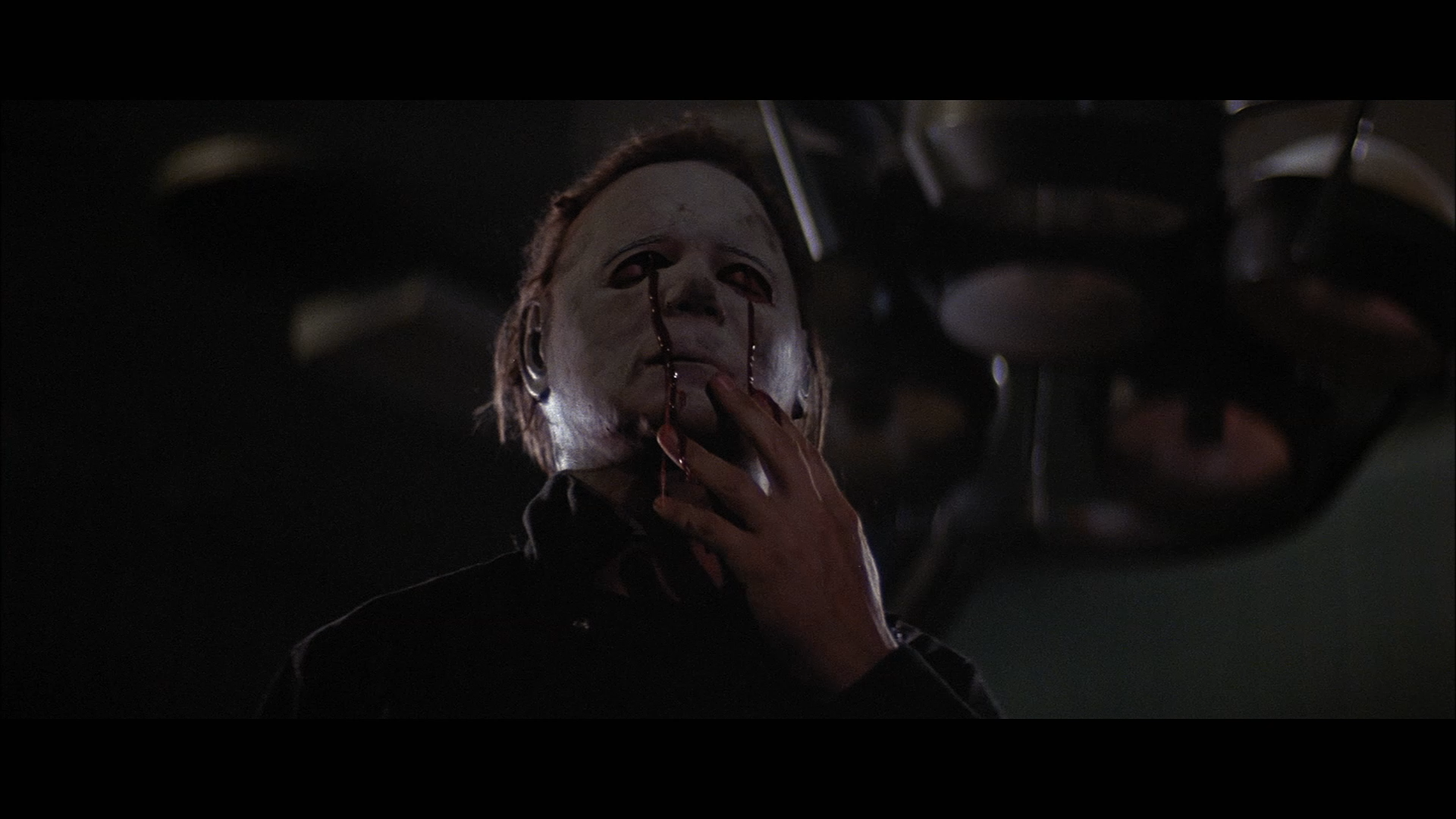
Michael Myer's mask was not the only thing to get bloodier in subsequent films.
Michael Myer’s mask was not the only thing to get bloodier in subsequent films.

The problem was that this minimalist style ended with the first movie. Halloween II (1981) brought Myers back… but he was not the same boogeyman. The kills were gorier, and the body count was far higher than the original. It was a different kind of film.. one very similar to a series that began in 1980 (and had its first sequel released in 1981).

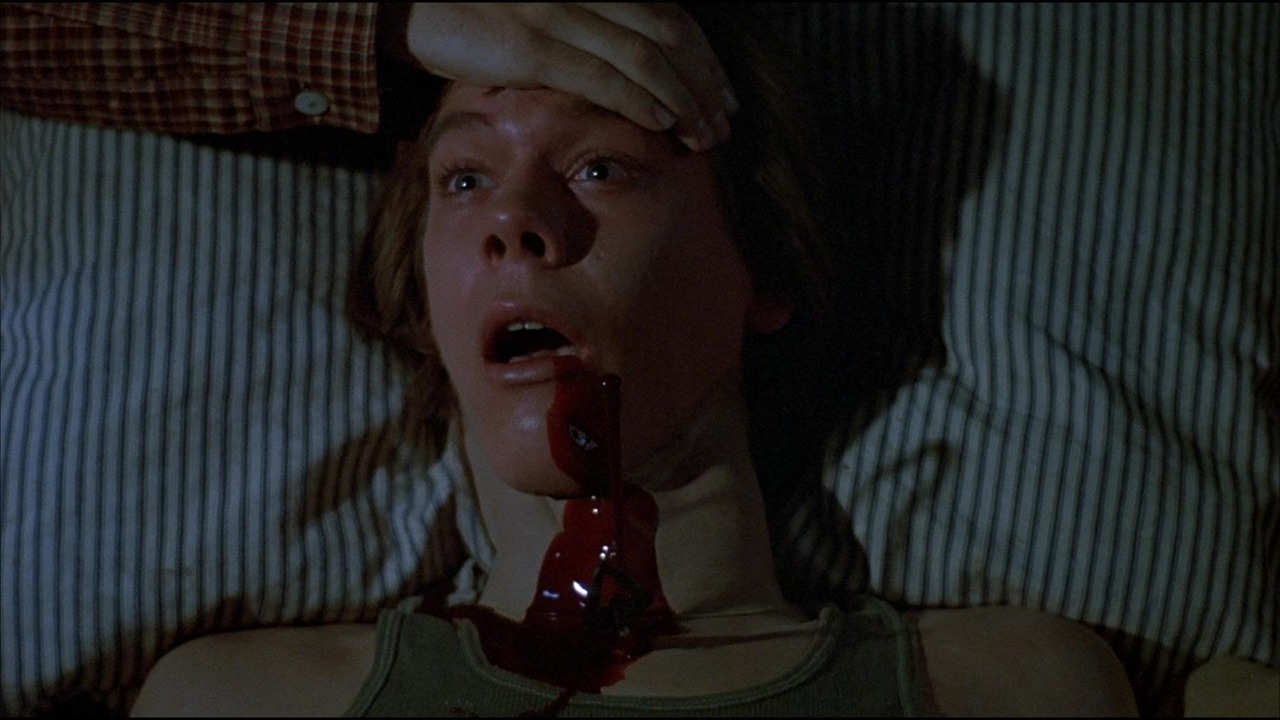
Yes, even though Jason Voorhees did not take center stage until Part 2, Friday the 13th began as a series heavy on the gore and light on the character development. People just appeared onscreen to die, with the kills always involving creativity and gore.

Kevin Bacon getting killed by arrowhead through the bed in Friday the 13th Part One. Gory and creative.

The style of killing was not the only thing to change in the Halloween series. Michael Myers was also known as “the Shape” in Carpenter’s Halloween, one of the actor’s is listed as such in the film’s ending credits. That “shape” would change substantially as the series progressed. Here is the shape in the first film:

HalloweenHere he is Halloween: the Curse of Michael Myers:

Incidentally, he fights a very young Paul Rudd in this movie. Don't get your hopes though, that is not nearly as fun as it sounds.
Incidentally, he fights a very young Paul Rudd in this movie. Don’t get your hopes though, that is not nearly as fun as it sounds.

“The Shape” sure filled out over the course of four sequels (Myers is not in Halloween III: Season of the Witch). He got bigger, stronger, and more brutal. Sound familiar?

Why hello there!
Why hello there!

By the time Curse of Michael Myers rolled into theaters in 1995, there were already nine Friday the 13th movies released. Jason had long been established as the hulking immortal brute with a thirst for killing teenagers. Michael Myers was years late to that party.

The last comparison I personally feel is the most tragic. Michael Myers became more like Jason Voorhees in motivation. There was a reason for his killing sprees. Jason always existed as the vengeful ghost of Camp Crystal Lake: a drowned child who watched as teens decapitated his insane mother. It made sense for him to return to destroy any who disturbed the lake.

In the original Halloween, Michael Myers was the boogeyman. He was evil in human form. He did not have reason for the horrible things he did – he simply did them. It added to his terror and made Michael truly unpredictable. However, in the first sequel, Myers’ motivation was established. The random killing spree in the first film was not random at all! Rather, Myers was looking to kill all of his family, with the last surviving member being the Jamie Lee Curtis character, Laurie Strode.

Really.

Talk about reducing the fright factor. Psychopaths don’t need motivation – it is part of what makes them psychopaths. Monsters don’t need motivation either. Myers would carry that family-driven desire throughout every sequel to follow, and into the reboots. Since when would absolute evil care about relations? While one killer murdered to avenge his family, the other killed to finish his off.

For the love of god people, stop going here!

So yes, it is sadly true. While Carpenter created the slasher genre, his creation could not keep his unique personality. Myers became both a mockery and a parody of his original self. Michael Myers (in everything except the original film) is nothing more than the poor man’s Jason Voorhees… and that is really saying something.