Marketing Method: "Based on a True Story"

As audiences, we see these words a lot. Recently, I was at the cinema seeing The Imitation Game and these were the first words to greet me on the screen. It gave everything in the film a sense of gravity and added weight. I was not watching fanciful creations but someone’s actual life, dramatized because of its significance… or so I thought. Afterwards, I immediately inquired further into the validity of The Imitation Game‘s information. There were inconsistencies to say the least. This is not to say anything negative against the movie as a film, or to single it out as the only culprit when it comes to twisting reality. This happens a lot. Books, movies, even video games all love to use the tagline: based on a true story. Well cool – what’s it mean?
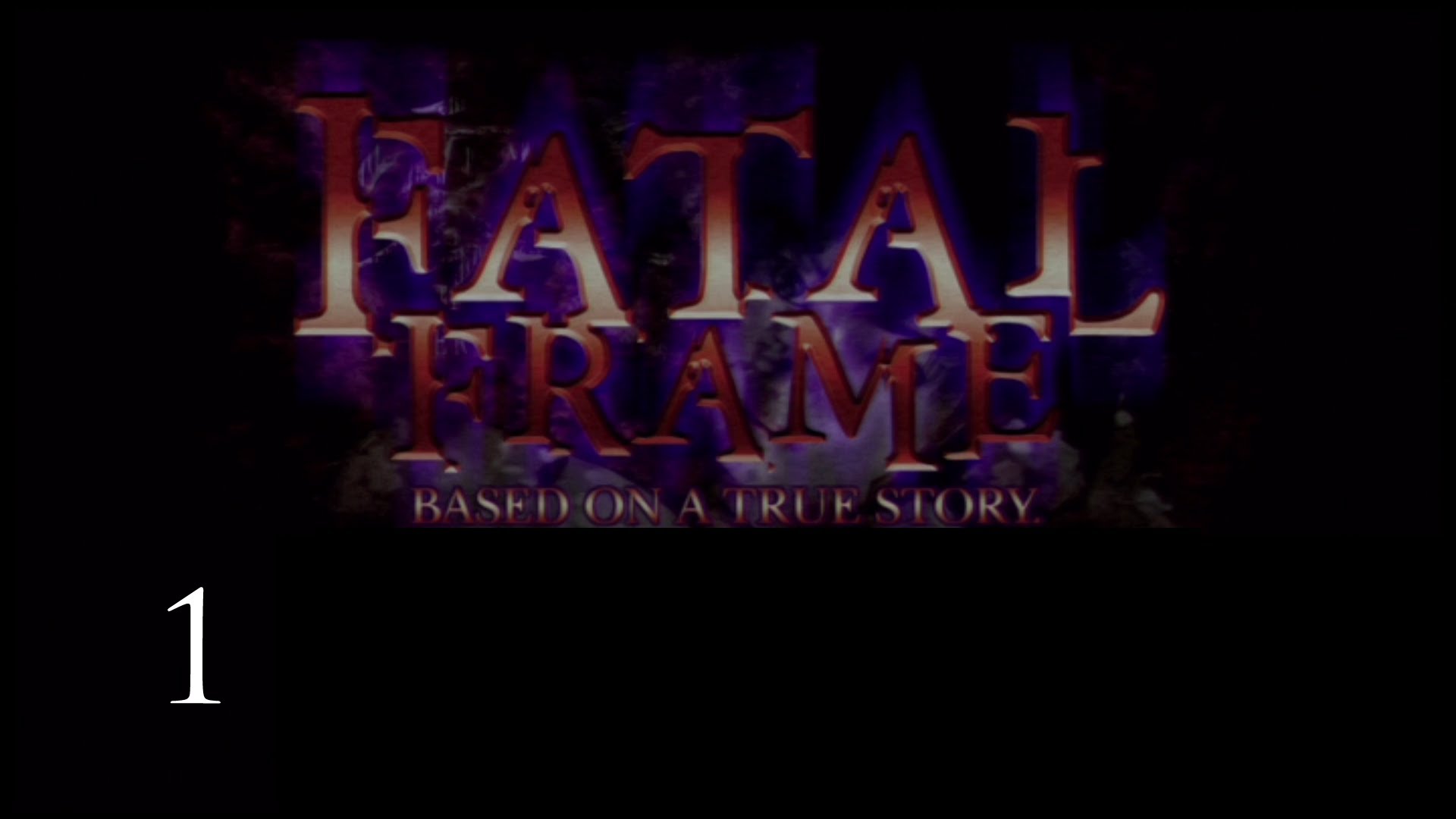
Very little.

For those who do not know, Fatal Frame is a game where you take pictures of ghosts with a camera... yeah, cause that totally happens.
For those who do not know, Fatal Frame is a game where you take pictures of ghosts with a camera… yeah, cause that totally happens.

After some digging, I was able to find a legal definition in regards to the phrases “based on a true story” and “inspired by a true story.” Keep in mind, this is in regards to literature (although safe bet that similar stature exists for the other media types):

No difference of any legal consequence between ‘based on’ and ‘inspired by.’ Each of them suggests that there is a core of truth to the story but that you are embellishing or going beyond the factual record. This is something we call ‘faction,’ a conflation of fact and fiction and it can under some circumstances give rise to libel claims, but not if the story is about animals.

“A core of truth” does not go far to keep a story grounded in reality. Essentially, what that means is that one significant aspect of the story must be true. If one is making a film about a real life killer for instance – a killer will be in the movie. Does the movie killer have to be related to the actual killer? Look no further than Ed Gein vs. Leatherface for the answer to that one.

As the definition suggests, legal trouble can also arise from uses of the term. Families and living relatives often take issue with film portrayals of their ancestors (let’s use The Imitation Game again as an example). In the case of the atrocious film, The Fourth Kindmany newspapers and an entire city were angered over the film’s liberal use of “based on a true story.” Argo might hold some kind of record since it angered the majority of Canada by downplaying the country’s role in the “true” events depicted on-screen.
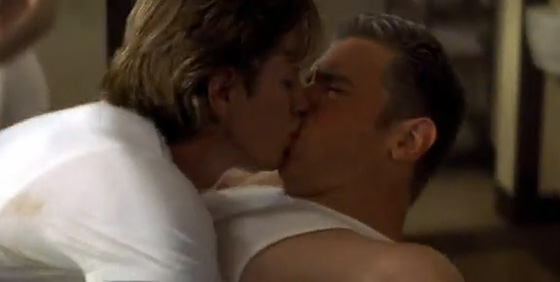
Remember that gay player from Remember the Titans? Not gay at all in real life. How would you feel about seeing an onscreen representation of yourself with a different sexuality?
Remember that gay player from Remember the Titans? Never happened in real life. How would you feel about seeing an onscreen representation of yourself with a different sexuality?

So, with all the trouble that can come of “based on a true story,” why do they use it?

Because we love it.

In many cases, this phrase appears associated with either drama or horror, leveraging that all important aspect of audience relatability. What could be scarier or more moving than something that actually happened? The chills of a “real-life” psychopath will get the adrenaline flowing better than any fictional boogeyman. Anyone experiencing either the rush or low of a relationship will take solace in knowing there are other people out there who went through similar situations.

The use of real life characters adds more weight to certain genres of storytelling.

Is it real… well does it need to be? “Based on a true story” is used to heighten emotional reaction. The upside is, this technique clearly works as more and more films adapt it into their hits. The (potential) downside: some people actually believe it while it further increases the cynicism of others.

The Internet: proof that some people will believe anything.

So who is responsible? While some blame Hollywood and publishers for their overzealous use of phrase, I believe that it is the audience’s responsibility to be informed. It is a lazy mind that takes everything it sees or reads at face value. That is not to say that they have the right to lie or slander individuals at will. Let’s keep those laws we have working for us.

If anything, “based on a true story” should be taken as an invitation to do some research. Heck, if you already thought the subject was interesting, why not look into it a little more?

There and Back Again: Reviewing The Hobbit (The Battle of the Five Armies)

Yesterday I had a rare and unexpected privilege. I was able to watch all three films of Peter Jackson‘s The Hobbit trilogy, back-to-back-to-back. I say rare because cinemas do not offer this kind of experience nearly enough, and unexpected because: they’re good, really good together. Certain films, even great ones like Christopher Nolan’s Dark Knight trilogy, gain very little from the trilogy viewing experience. They were created as separate entities and each tell their own story. In the case of Peter Jackson’s The Hobbit, however, the experience is much like The Lord of the Rings. All three films feel like they are parts to the same giant epic. The Unexpected Journey introduces audiences back to Middle Earth; The Desolation of Smaug escalates the conflict while building to the climax; and then there is The Battle of the Five Armies – what an ending it is.

In a film that echoes the overall strengths and weaknesses of the trilogy it concludes, The Battle of the Five Armies is over-the-top spectacle fueled by the simple heart of the story it is telling. Those out there who lamented the limited presence of actor Martin Freeman in The Desolation of Smaug can breathe a sigh: he is much more involved in this film. Indeed, it can be argued that the best scenes of the movie come before the blockbuster titular battle sequence.

One of the benefits of three movies allowed Jackson to develop individual personalities and presences for each of the dwarves in the company. This allows for more investment in the battle.

By breaking the story into three portions, Peter Jackson is able to give each their own feel. The Battle of the Five Armies plays out like a tragedy, with all sides building to a war that few truly want. Each leader has their own personality but is depicted as small in the events that are rapidly spiraling out of control. Whether it is the gold-driven insanity of Richard Armitage‘s Thorin, the reluctant responsibility of Luke Evans‘ Bard, or the seeming indifference of Lee Pace‘s Thranduil: every leader talks of peace while preparing for war.

Bard and Legolas are two of the more reasonable voices leading to the battle.

Here is where the not-so-subtle moral message of movie is hammered down. Greed is bad. Gold is not worth more than lives and the world would be a better place if more people treated jewels with as little value as hobbits do. With the wars in Afghanistan and Iraq still fresh in everyone’s minds, there are definite parallels to be drawn. A war fought solely over money while many innocents are caught and killed in the crossfire: not as fantastical as we’d all like it to be.

Certain cynics have already dismissed Jackson’s newest trilogy as a Lord of the Rings cash-in, but after watching it all play out it is clear that this was not the case. The reality is a situation very similar to 2005’s King Kong. Peter Jackson has the spirit of a child, the love of a fan… and enough money to create Middle Earth in his own image. While The Hobbit trilogy does take its bombastic nature to a fault, there is a purity running underneath it, and a sincerity that is greatly appreciated.

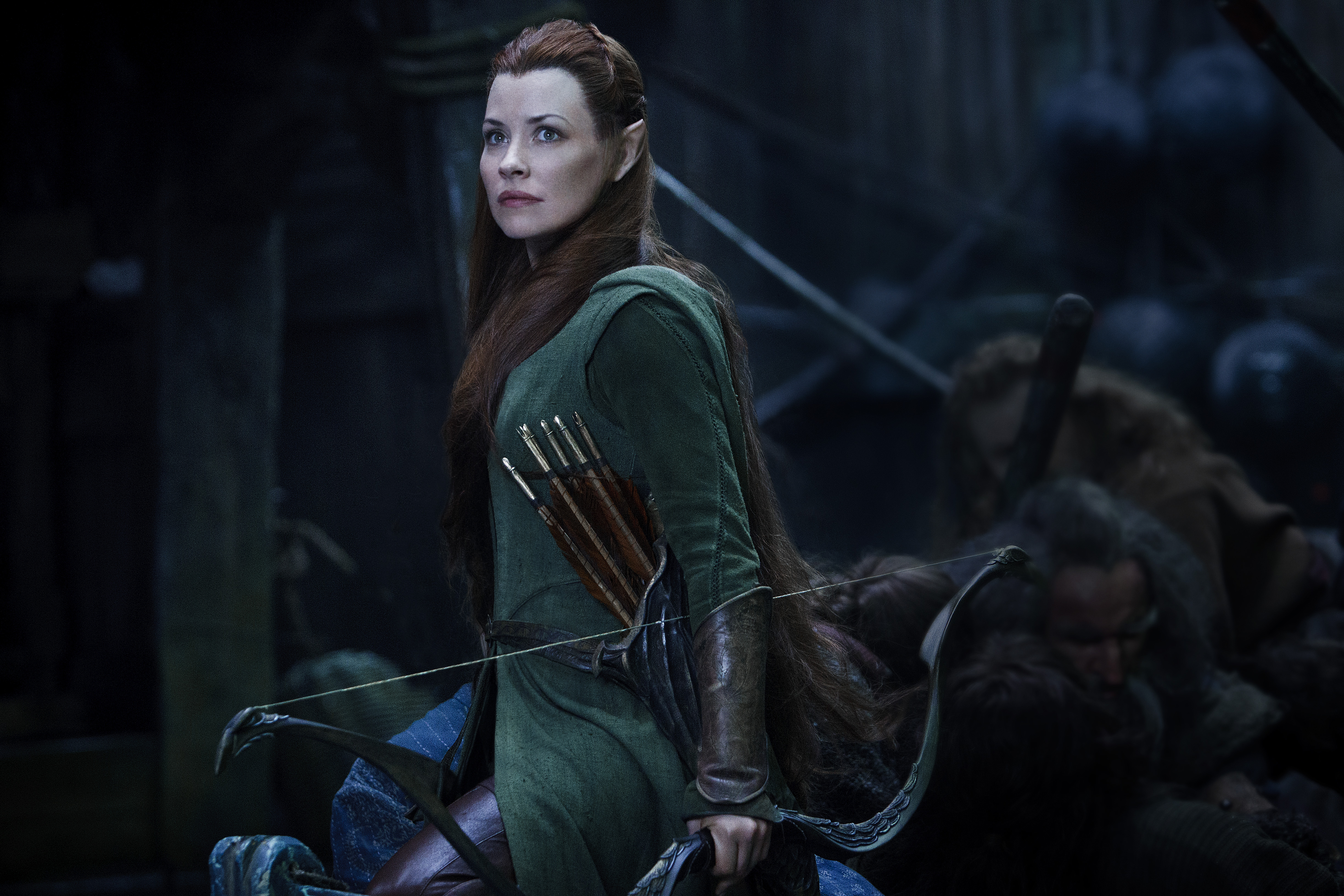
The controversial addition of Evangeline Lilly's Tauriel ultimately adds heart and even more of a sense of loss in The Battle of the Five Armies.
The controversial addition of Evangeline Lilly‘s Tauriel ultimately adds heart and even more of a sense of loss in The Battle of the Five Armies.

Lightning may not have struck twice, but it was close. In the end, The Battle of the Five Armies serves as an immensely fun and satisfying conclusion to a trilogy done well enough to stand on its own. As the ending credits roll, one cannot help but feel a sense of sadness and gratitude at the sheer spectacle that is Peter Jackson and his Middle Earth epics. It is only a shame that the story is now truly done.

Reaching for the Stars: an Interstellar Review

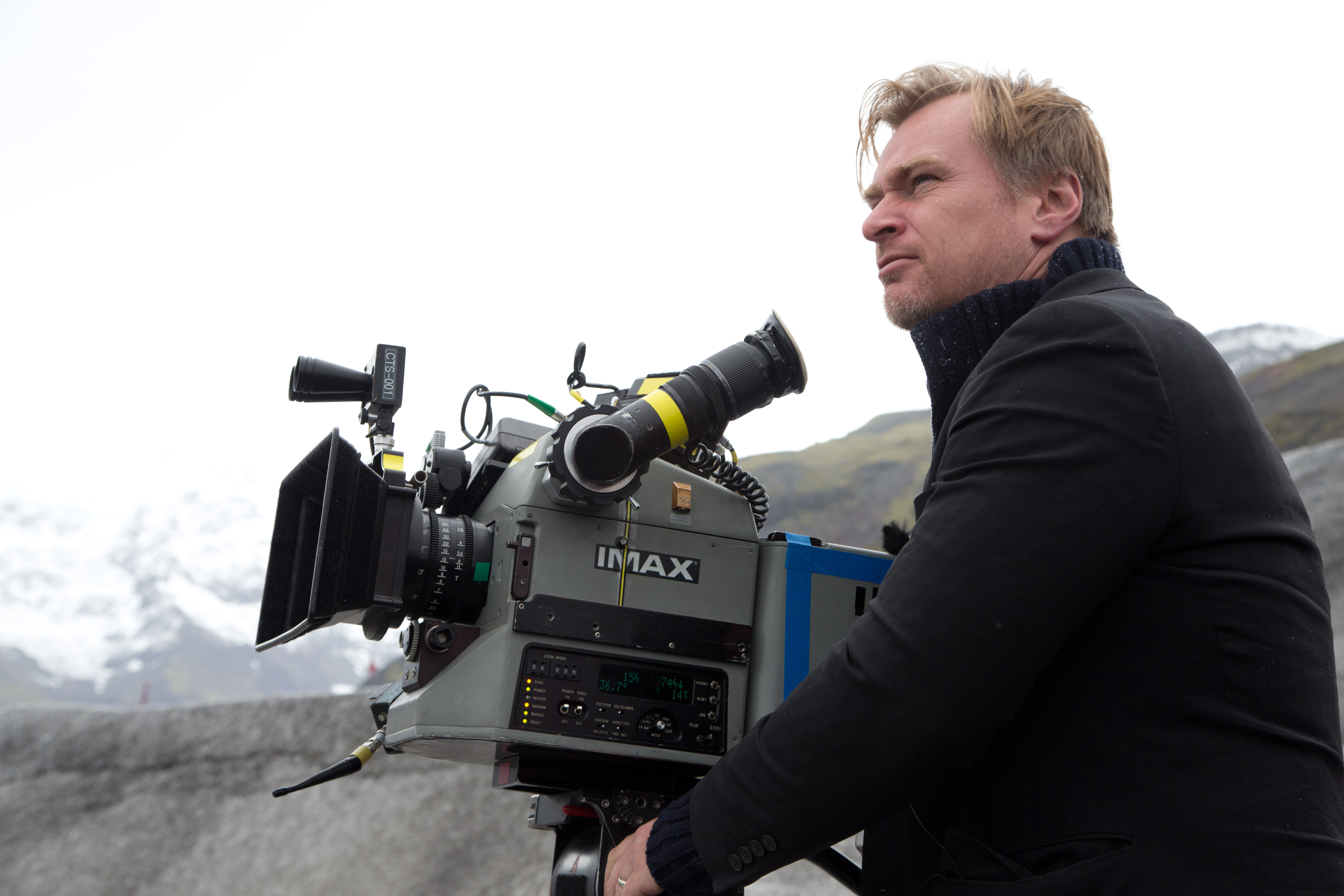
Christopher Nolan has long been in the upper echelon of film directors working today. He has built a reputation by adding just a little more to already established formulas. The Dark Knight Trilogy, for example, had layers of political subtext that most other superhero movies (Captain America: the Winter Soldier being the only exception) never even hint at. Inception was a heist movie dealing with the complexities of the human psyche. In the past, Christopher Nolan has been expertly walking the beaten path. Interstellar marks the director’s first departure from traditional Hollywood storytelling. Ambitious and bold, the film often soars nearly as much as its subject matter – yet like any first flight, it is far from perfect.

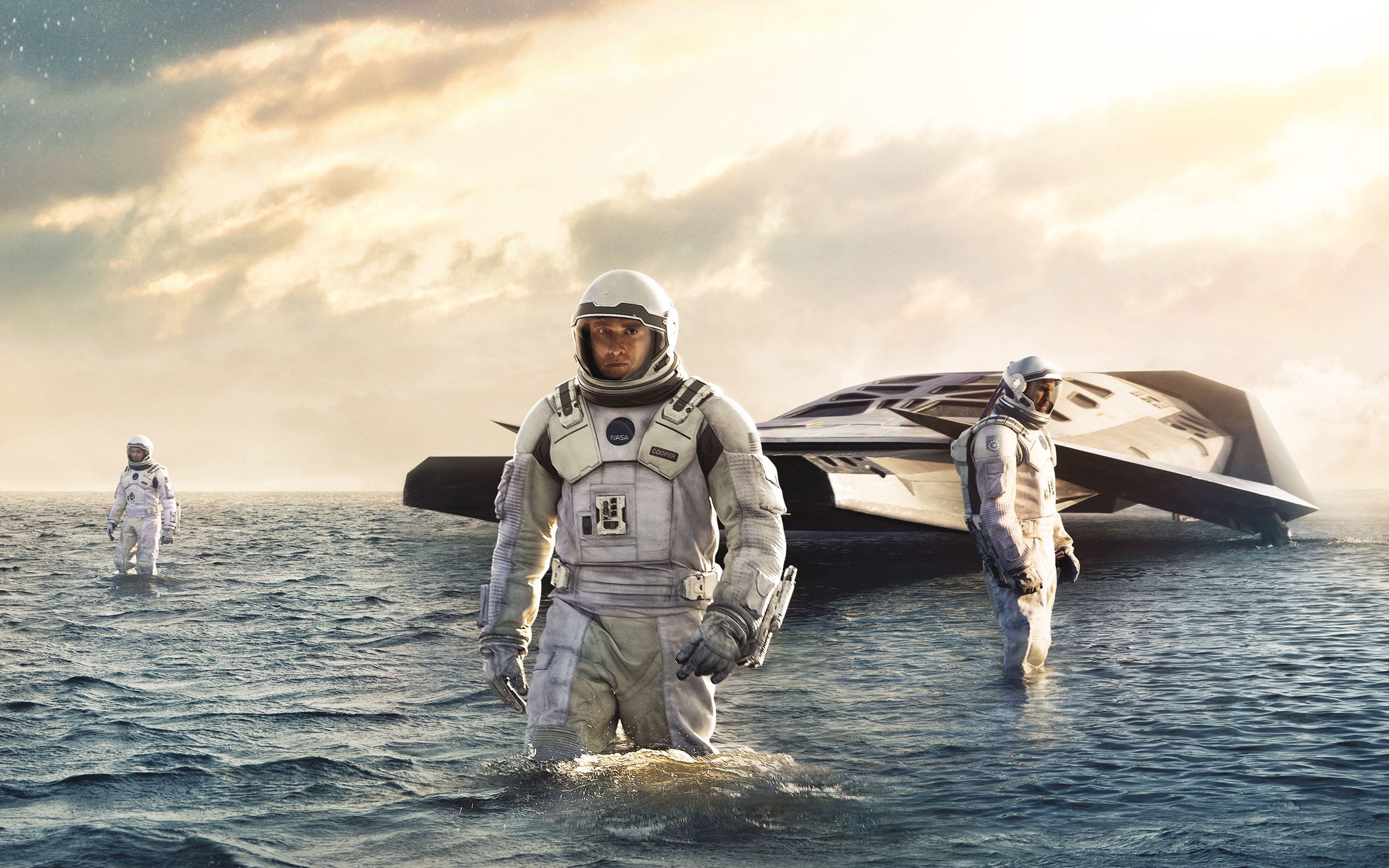
The visuals of Interstellar make it a movie made for cinema. This also marks the first major 4K release brought to theaters.

Interstellar opens in the not-too-distant future. Mankind stands on the brink of extinction as we have exhausted our food sources and are unable to save a planet that is clearly dying. How and why we are unable to beat a crop blight is never really addressed (Nolan does not want to directly address climate change, it seems). As humanity prepares for its final generations, Cooper (Matthew McConaughey) and his family receive mysterious messages compelling them to find the remnants of NASA, the organization which presents the last and best hope for humanity’s future.

Seems a wormhole has been opened in our solar system, a gateway to another galaxy where humanity might be saved. McConaughey, along with a team of scientists (notably Anne Hathaway and a Bill Irwin voiced robot named TARS) must journey through the wormhole to save mankind’s future… at expense of their own. This theme is where Interstellar shines brightest.

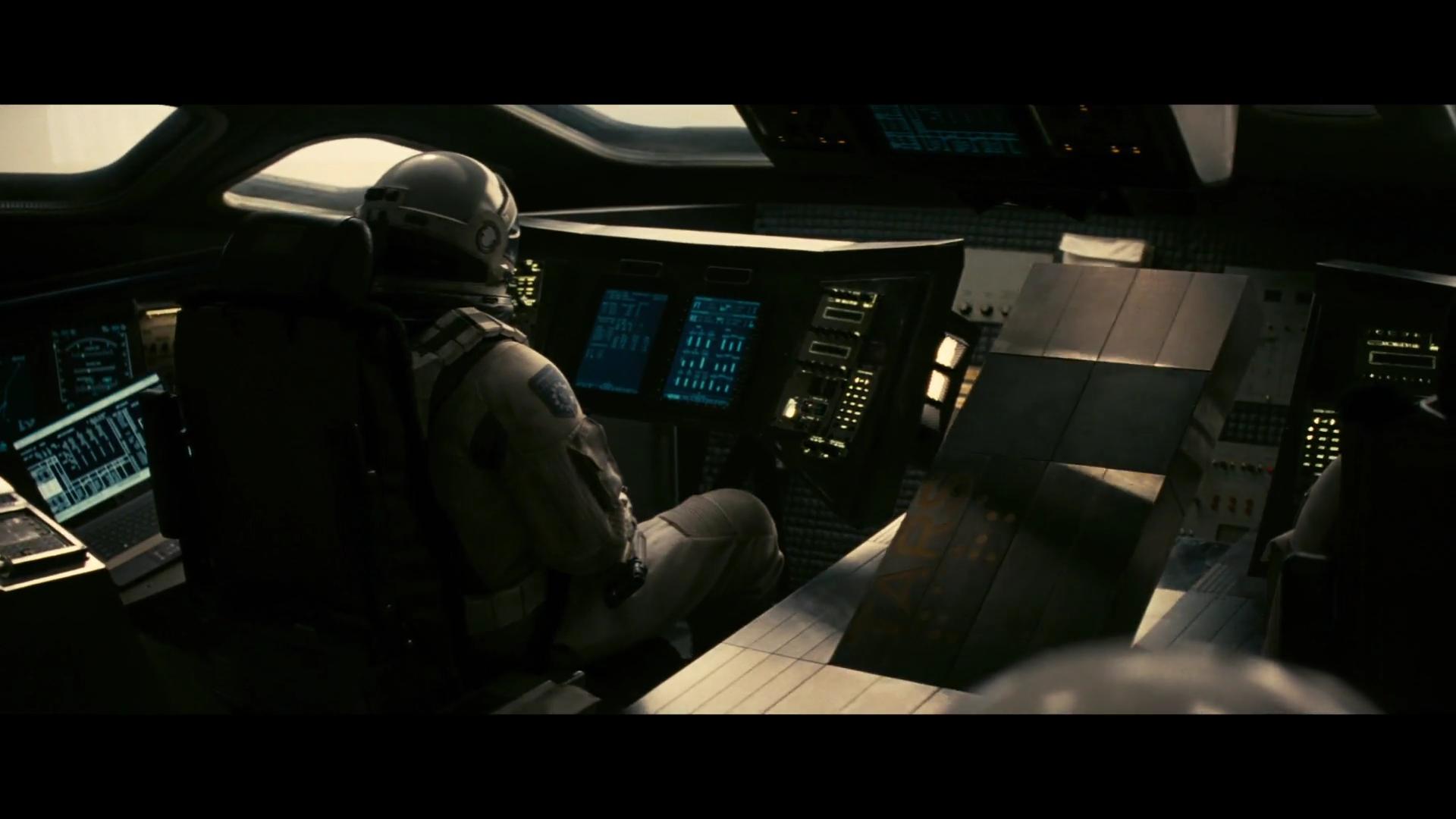
The realism of TARS' design coupled with the talent of Irwin's acting creates a being that is surprisingly human.
The realism of TARS’ design coupled with the talent of Irwin’s acting creates a being that is surprisingly human.

Christopher and Jonathan Nolan‘s script highlights both sides of the nature of humanity. The instincts for self-preservation, parental protection, and love are addressed well within the script and reflected by a cast of characters who each represent different points of these ideas on the same scale. The story of fathers (McConaughey and Michael Caine) doing whatever it takes to save their children (Jessica Chastain, Casey Affleck, and Hathaway) adds the relatable drama that propels the movie through the innermost depths of the science fiction drama.

Make no mistake, this is not a film that is science fiction in setting only. As Nolan intrigues the audience with his characters, he takes them to worlds and introduces theories most commonly left out of mainstream cinema. Don’t know anything about relativity? Well, prepare to get a lesson as this film is all about how time is anything but a constant. Refreshingly, the science seems solid. The audience believes that both Nolan brothers researched every idea of the film thoroughly in order to keep it grounded.

The planets in the movie seem too terrifyingly real to be fantastical.

Yet for the praise, there are criticisms. This is a film about reaching, and that is what the audience is sometimes asked to do. Not every logical turn falls perfectly into place. This is especially true at the movie’s climax where the audience is asked to take a serious leap of faith to help reconcile the plot. These jumps are not commonly found in Nolan brothers’ scripts. Likewise, this is the first Christopher Nolan film I personally have ever seen where I have questioned whether a cast member (click for spoilers) really added  anything to the plot.

Long a pioneer in visual storytelling, Christopher Nolan has managed to create an incredbly reflective and thought-provoking piece of cinema. Time will be needed to fully judge just how much of a success or failure Interstellar is.
Long a pioneer in visual storytelling, Christopher Nolan has managed to create an incredibly reflective and thought-provoking piece of cinema. Time will be needed to fully judge just how much of a success or failure Interstellar is.

Those expecting a perfect movie will walk away disappointed. This is not Christopher Nolan’s best film. That said, this is the type of movie more A-list directors should be making. Interstellar grows Nolan as a director by taking him outside his recent action blockbuster zone and allowing him to make a movie that is both very large and small at the same time. In a year of formulaic films, it is pleasing to see someone taking risks. Interstellar is a film that shot for the moon and missed, but that’s okay since it landed among the stars.