Blog

You're Not Alone Part Three: Confronting an Abuser and Knowing When to Walk Away

Part one here.

Part two here.

This is likely the final part of the increasingly long “You’re Not Alone” series. It might not be, but we’ll see how it goes.

What follows is, as always, not absolute truth, but rather lessons from personal experience.

In part two, I talked about the importance of forgiveness. That one must forgive themselves before truly forgiving someone else and that, an apology, while seeming like the most basic human decency, is still far more than most who have been emotionally abused receive. A large part of recovery is being okay with that: accepting the apology that is never given.

Truer words. While it is important to remember what happened so that it does not again, let go of the anger and pain attached to the hurt. They cannot hurt your abuser and will do little except keep you down where they put you.
True words. While it is important to remember what happened so that it does not again, let go of the anger and pain attached to the hurt. They cannot hurt your abuser and will do little except keep you down where they put you.

Why is that?

Because very often it is beyond the psychological capacity of the abuser to fully understand and sympathize with the damage they have done, despite the fact that they too have very likely felt the hurt (or at least one very similar). I am not saying that they are dumb or cruel, just that they are in a different mental space. That said, I have been asked: “should you ever actively confront the person who abused you?”

It was a huge red flag when she identified this website and only responded with a "I think this is what I am." So many of these points ring so true to me.
It was a huge red flag when she identified this website and only responded with a “I think this is what I am.”
So many of these points ring so true to me.

Having actually just finished an incredibly painful conversation with Sinda (let’s keep the same abuser name ’cause why not – it’s not their actual name anyway), I can honestly say that: yes, you should… but don’t expect them to be receptive… and watch your own words carefully.

Confronting an emotional abuser is hard. For starters, the very word confrontation implies a struggle, it is not a word meaning peace. You are going to have to say something that someone really does not want to hear. You cannot control how they react, but you can try your best to still accommodate them.

When I confronted Sinda, I tried to be as diplomatic as possible (I’m sure she would say the same thing). First, I asked if she would like to talk, specifying that, while it was important to me, it did not have to be immediate. Show your abuser that you respect his/her time – in fact, do your best to treat them with respect, period. Even if you do not feel that they deserve it, treating someone with respect always says more about you as an individual than the person you’re respecting.

I gave her several times to choose from and let her know that, if she really did not want to: the confrontation did not have to take place. She responded by choosing a date, but saying that she didn’t think she had anything left to say and she didn’t see the point of the conversation. She also was honest enough to say that she was still angry (still not sure why) at me and wasn’t sure how more talking would help (it is my fault for not hearing her on that point). That said, I had already stumbled on the tripping stone I got caught on.

I had also told Sinda earlier that day that I did not want to have the talk then, because I had been feeling feelings of anger/depression about our relationship (our second attempt at one) and I did not want those feelings to spill out onto her. That said, hearing someone who has hurt you respond to your desire to be heard with essentially what was “not my problem, you have to deal with things on your own” can be triggering to say the least.

In part because it is true. We obviously all deal with our emotions and struggles in our own ways. Make no mistake, my writing this is part of me dealing with mine. That said, there is a great importance in life in HOW things are said/done, not just the WHAT. Look at Shakespeare, man never had an original story idea in his head… yet his plays have lasted thousands of years because of HOW he told them.

In my defense, I have in large part been dealing with the damage of the second relationship with Sinda by journaling, therapy, friends, yoga, emotion exercises, blog posts (ha) and general trying to avoid stupid situations. That said, Sinda had expressed the desire to be friends and I was having real trouble with this for a variety of reasons.

Anyone who always tells you that you are doing the right thing is not a friend. There is no such thing as someone who always does the right thing. You want friends who call you out when they feel you are screwing up - how else will it matter when they say they're proud to stand with you?
Anyone who always tells you that you are doing the right thing is not a friend. There is no such thing as someone who always does the right thing. You want friends who call you out when they feel you are screwing up – how else will it matter when they say they’re proud to stand with you?

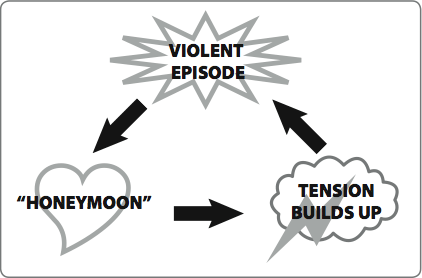
One: I wanted to be friends, which in itself was not a healthy thing. Given the nature of how my romantic relationship with Sinda had ended, it made no sense WHY I wanted to be friends. Our second romantic relationship did not even last two full months and went from honeymoon phase straight into tension that ultimately ended with Sinda emotionally cheating on me with an ex-boyfriend. Given the months of build-up we had done beforehand: the attempts at healing, the frank and honest discussions that had happened, Sinda’s repeated expression of “it’s going to be hard but I really want to try to make this work” – holy shit must things have gone wrong for a relationship to deteriorate that quickly. I share the blame in this, I was no saint being attacked by a wicked devil. This was a relationship I asked for, and so I share the responsibility.

I wanted to be friends because I still cared for Sinda, I did not want her to think that her actions had made me hate her, and also (on a personal and perhaps selfish level) I did not want her out of my life – I was ready to let go but not walk away. I felt that, knowing her and our past, I had been unreasonable to expect the relationship to work so soon. While two years seems like a long time in life – it is not. To put it in context, have you ever had something – a book or a movie – that you were obsessed with for a while, then later couldn’t understand how you liked it in the first place? How long can stupid obsessions like those last? Things involving people, their emotions and who they are, often times take much longer to change.

So onto Two: I was still hurt. I really can be a hypocrite, having just written in part two about the importance of dealing with one’s own feelings before attempting any kind of serious connection with another person (or at least seriously considering WHY I was attempting that connection). I have spent years working on personal control and how to be understanding and compassionate with others and one lesson I have learned over and over is that: emotions cloud everything. It is very difficult, if not impossible, to be objective in something you are emotionally involved in – at least it is for me. Had I been objective, Sinda’s comment would not have gotten a reaction. Indeed, I had anticipated that she would not react positively – but had ultimately decided to go ahead with the confrontation anyway.

In the weeks that had lead up to and directly proceeding the end of the relationship, all attempts at communication came from me. To Sinda, attempts to talk about our problems were emotionally smothering her during the relationship, and then not related to her as soon as it was over.
In the weeks that had lead up to and directly proceeding the end of the relationship, nearly all attempts at communication came from me. To Sinda, attempts to talk about our problems were emotionally smothering her during the relationship, and then not related to her as soon as it was over.

This is important: go ahead with the confrontation, despite how you think/know the other person will react. Emotional abusers will rarely react positively, even sometimes if years have gone by since the abuse. The reason to confront an abuser is simple: stand up for yourself and be heard. This may not sound like a good enough reason, but trust me – it is so instrumental in healing from the damage they did.

Emotional abuse takes away from your self-respect. It diminishes you as a person and sends the not subtle message of “you’re not worth it.” Well, I am worth it. Sinda is worth it. EVERYONE is worth it. If someone hurts you – it is their responsibility too. To think otherwise is to shoulder way too much emphasis on yourself. Think of it this way, if you have a dog or cat and someone runs it over – is it unreasonable to ask that they feel bad about it… or to talk about it with you after?

“Man, that sucks, I didn’t even see it coming… well, sorry, hope you have a nice day!”
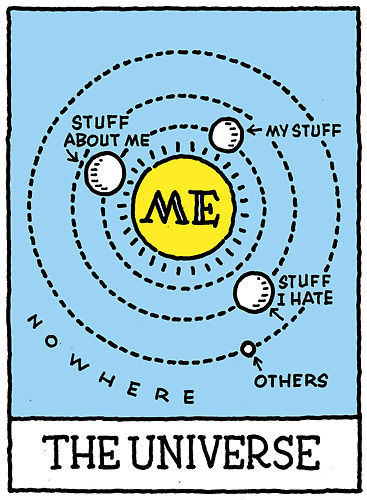
For someone who felt she was bending over backword for me, a lot of Sinda's own words and actions reflected a more self-centered view. Ultimately one of the first and sure red flags that was not an "I" statement was "you deserve someone better than me."
For someone who felt she was bending over backword for me, a lot of Sinda’s own words and actions reflected a more self-centered view. Ultimately one of the first and sure red flags that was not an “I” statement was “you deserve someone better than me.”

That reaction is insane and incredibly self-centered. Yes, they said sorry but it didn’t change anything – in fact the nature of HOW they said it makes it seem like they don’t care at all. I have hurt people, including Sinda, and everyone who has talked to me since I hurt them – they all had the right to be heard, even if what they were saying was entirely about how I had hurt them. When you hurt someone (and we all do at some point, we are human after all) take responsibility for it – and that does not mean simply acknowledging that it happened.
Quotation-Bret-Easton-Ellis-past-karma-Meetville-Quotes-152541

To get back on point and to relate this in, Sinda has apologized for cheating on me. She did, and I believe her sincerity and want to believe her genuine regret. HOWEVER, several things took away from this and turned from horrible mistake into abuse. The largest was the violation of trust – I was there the night Sinda cheated on me. I was in bed with her, laying down to sleep. I overheard most of the conversation (being alone together in a silent room). It bothered me as it went on, climaxing with a sickening “Call me in the morning, I love you.”

I knew what it was as soon as I heard it, but I still had to ask – “who was that?”

“My sister.”

“Oh, I thought I heard a man’s voice. Was her boyfriend there?”

“YOU NEVER TRUST ME. NOTHING I CAN SAY WILL MAKE YOU TRUST ME!”

“… I do trust you.”

“YOU DON’T!”

The next day Sinda announced she was unhappy in the relationship. Two days later we had a fight where I said some horrible things and took away her agency by accusing her of not thinking clearly. Accusing someone of not being fully aware of what they are doing/saying is a serious accusation. It is directly saying to someone else: “I know more than you.”

Yet what choice did I have? This was a woman who, only three weeks prior to this incident, had called me the best boyfriend in the world? Who before that had been telling her parents and friends about how lucky she was to finally date me? I have known her for close to five years. If two years is a short time to change – holy shit three weeks. It was either – “well, I guess that was all a lie” or ask “what is going on? You’re not making sense?” It didn’t help that I said horrible things before asking that question.

Yes, what had happened two nights before gives reason (but not an excuse) to my being irritable and upset – but I should have called Sinda on her lie before then. I was doubting myself, doubting my perception of events. My self-confidence was gone and my reliability shattered. Maybe Sinda was right. Maybe I was just looking for an accuse not to trust her, maybe I was being controlling in the relationship.
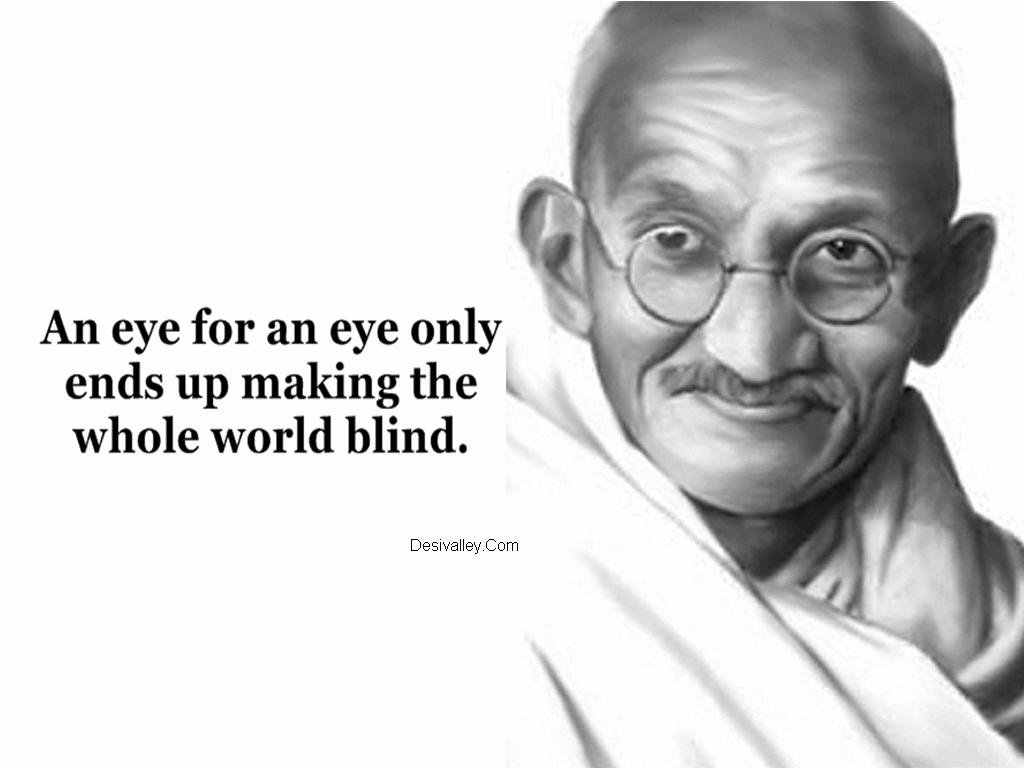
This is a much better Gandhi quote. It is okay to call someone out, but never do it just to make yourself feel better. I took no joy in any of the conversations I had with Sinda close to and after the breakup, and it made me cry to confront her... but doing the right thing is always important.
This is a much better Gandhi quote. It is okay to call someone out, but never do it just to make yourself feel better. I took no joy in any of the conversations I had with Sinda close to and after the breakup, and it made me cry to confront her… but standing up for myself is always important.

Of course, questioning her decision-making made me more controlling, at least in her opinion.

This is not exact but “You only want me to stay with you,” and “you only care about the relationship. Not about me and what I want!” were said quite often. As someone in love, this was the worst thing to hear. Yeah, I was calling her out – and not doing a good job of it – but everything I had said, I said for the purpose of trying to help (I’m aware that most abusers say this too). I knew Sinda had been going through a hard time and feeling depressed about her place in life, and I knew she had been drinking again to try to combat it. For those wondering: here are the effects of alcohol on the brain. I am not accusing Sinda of anything because ANYONE is capable of making poor decisions and doing things they regret while drunk or under the effects of alcohol – it is just the science of it.
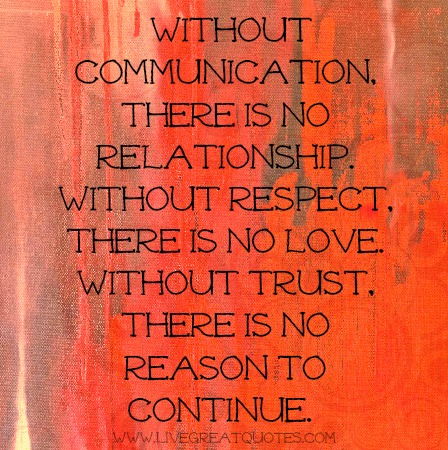
One of the heights of lack of communication in our fight: Me: "I don't think I'm better than you. I don't want to fix you." Sinda: "AH HA! YOU ADMIT THAT YOU WANT TO FIX ME!"
One of the heights of lack of communication in our fight:
Me: “I don’t think I’m better than you. I don’t want to fix you.”
Sinda: “AH HA! YOU ADMIT THAT YOU WANT TO FIX ME!”

That said, we are always, ultimately responsible for our actions.

I did not confront Sinda about the cheating until days after we had broken up. This again, is partly my fault for being silent. When I did, she apologized – saying she only did not tell me to spare me pain. She also said I had to deal with the pain of the relationship on my own and to stop involving her – and that she hoped to be friends.
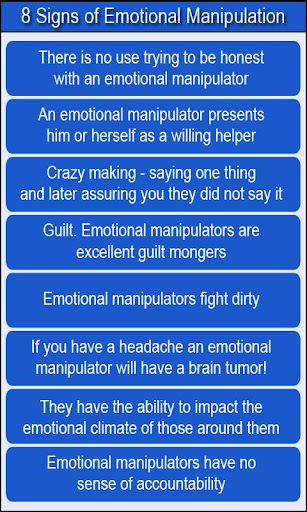
When anyone says sorry and continues a behavior, that apology is at least partly null and void. There may be a good reason to break an apology, usually "it's what I needed" or "it had nothing to do with you" aren't good reasons.
When anyone says sorry and continues a behavior, that apology is at least partly null and void. There may be a good reason to break an apology, usually “it’s what I needed” or “it had nothing to do with you” aren’t good reasons.

This is a genuine question: am I insane for being beyond confused and hurt by this, and wanting to clear it up?

Yes, Sinda was again right: pain must be dealt with individually. Yet as she admitted this, she admitted no role of it in the fight, or how it had affected the end of our relationship. She essentially said “sorry” and drove off, leaving me with my dead pet in the road. After all, I was still the controlling jerk who was just trying to manipulate her.

Yeah, I’ve had discussing Sinda’s cheating thrown back at me multiple times by her. She admits to doing at and says she feels awful – but it was on me to deal with it. I was a jerk for bringing up the past and trying to control her.

Controlling people is a real thing, and something I never want to do. Have I said controlling comments to Sinda? I have, in both anger and periods of insecurity – mostly in anger – but not often. That fight is the largest event I can think of and most of what I said was “you’re not thinking clearly,” and “you can’t see what you have become.”
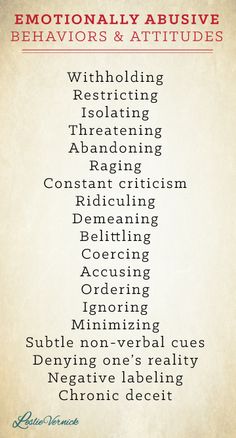
They can't keep it at bay for long, and often there is no real cause for the behavior to start. I asked Sinda many times when she told me she was unhappy in the relationship and she responded with essentially "I just am." Our fight didn't happen until weeks of tension and aggressive behavior.
They can’t keep it at bay for long, and often there is no real cause for the behavior to start. I asked Sinda many times when she told me she was unhappy in the relationship and she responded with essentially “I just am.” Our fight didn’t happen until weeks of tension and aggressive behavior, and cheating – the fight that she used as a primary reason to end the relationship.

I should have confronted her about the cheating then – I should have. But I didn’t.

Sinda and I have known each other for years. I like to think that we know each other very well and, after months of talking and healing, I felt safe for the relationship, and Sinda had expressed desire to begin one as well (we don’t live close and she traveled down to see me, risking seeing my entire family – well aware of our past – just to see me). As I admitted in part two: I rushed things, I wanted to be healed so so bad, that I ignored the pessimistic aspects of reality to feel that way. None of that is on Sinda, like I said: I asked her to be my girlfriend.
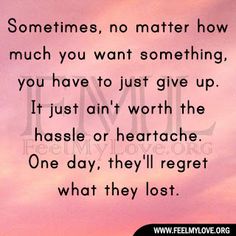
One of the reasons for confrontation, especially if it is to try and help and heal is that, looking back years later, I will know I did everything I could. I didn't do the easy thing, I did what I felt to be the right one.
One of the reasons for confrontation, especially if it is to try and help and heal is that, looking back years later, I will know I did everything I could. I didn’t do the easy thing, I did what I felt to be the right one.

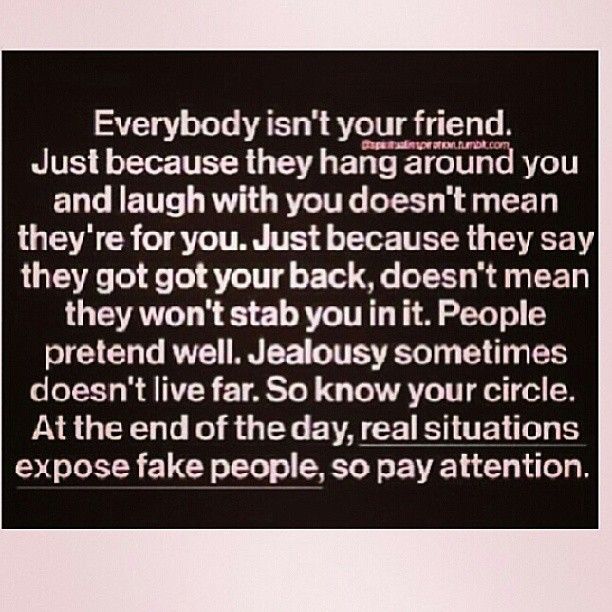
Sinda also had no obligation to help me with my feelings after the relationship ended… at least I don’t think so. Yet the continued insistence on being friends led me to conclude: better deal with the negativity now then, don’t want this coming out ever again. For example, if I had never confronted Sinda on her cheating… years could have passed and still, when we first spoke again – it would have risen to my mind, and it would have been much worse after all those years of guilt.
872f9387bf19a053fa3d9fa7c43eb859

This is also part of the importance of confrontation: your own mental health. For me, I don’t forget things – even the things I want to. I am someone who struggles with insecurity and self-image (part of my problems with anxiety I imagine) and so, an event like that – I would have felt guilty forever, until I knew she had cheated and I wasn’t crazy.

I had also found Sinda to be very controlling the last weeks of our relationship. I found her to be a complete opposite of the person I had known, getting annoyed at traits in me that she used to praise. For example: when we first started dating, I took time out of an evening with friends to tell her how wonderful she was. She was so happy and impressed by that, she told her mom the next day. In the final weeks – if she expressed feeling like crap to me and I said “I’m sorry to hear that, anything I can do to cheer you up” – that became emotionally smothering.

I wish I could make this bigger as it was true and represents a lot of the unhealthy nature I was feeling. This is partly why walking away and taking care of yourself is so important.

An important effect of an abusive relationship is feeling that, despite how much you tried, your actions meant nothing. That is how I felt with Sinda at the end – she might have felt the same way with me, I don’t know. I know my actions were to try to save the relationship and, when that failed, to do what I could to insure a positive friendship. That did mean calling Sinda out on how I felt she had acted – again, for the importance of your own mental health – don’t let this one slide. But, after the initial arguments/anger over learning that she had cheated on me – I never said that I hated her. I said I was confused and hurt but wanted to be friends.

Being friends to Sinda meant not bringing up what had just happened in the relationship AT ALL (otherwise I was being controlling by using the past) and not being too positive. How positive is too positive? I texted her while I was vacationing in Hawaii, saying that “it may be the most beautiful island but it is missing the most beautiful woman.”

Looking back, I can definitely see that going too far. It indicated false intent: I was not trying at the time to start a romantic relationship. My intention was to send a positive message, letting her know I still cared, but intentions are not everything. It was wrong and I apologized when confronted, as Sinda made sure I was aware I had gone too far. This did not stop Sinda from saying “I wish I was in Hawaii” next time we talked. But of course, she hadn’t been thinking about how I would receive it – a problem that I think runs deep.

narcissist-will-say-get-over-it.

For those of us who care about others and have been abused, that caring becomes distorted. We feel we are putting others before ourselves because: why else be in an unhealthy relationship? I could say I was putting Sinda’s needs before mine when I decided to let her back into my life but it would be a lie. This is not to say her needs were not of paramount importance: I loved her and wanted to see her happy – but that was what I wanted. Sinda, like so many victims of emotional abuse (like me) came to the conclusion that she was putting others way ahead of her own happiness. This meant that she had to focus on her and do what made her happy.

Perspective is everything. If there is someone out there, even if I never meet you, who feels comforted and reassured by knowing they aren't alone: then this will all be worth it.
Perspective is everything. If there is someone out there, even if I never meet you, who feels comforted and reassured by knowing they aren’t alone: then this will all be worth it.

This meant ending a relationship she had also spent months/arguably years putting herself into – not just ending but completely ENDING – even talk would be too much. Talk was just my projecting my problem onto her, even if the breakup was recent – less than a month ago recent, and even if it had an ending as bizarre and abusive as that one (cheating on someone is ALWAYS abusing them, even if it is not done to hurt them – Sinda called it a “normal” relationship).

Sinda was so convinced that she was putting others before herself that she could not see how self-centered her actions had become. This is dangerous. I have done this as well, and I did horrible things while in this mindset (I destroyed friendships and was abusive in the relationships I was in). Sinda told me she tried really hard to make our relationship work… and she also told me she was just doing it to make herself feel better. To this day, I am not sure (and likely will never be, this is part of why one must accept the apology not given).

Look for the people who value you. They are out there - and they will help. No one conquers life on their own.
Look for the people who value you. They are out there – and they will help. No one conquers life on their own.

One of these people I could be friends with, the other I could not. I could forgive someone trying to do the right thing and screwing up… god knows I’ve been there enough. I could not/did not want to forgive someone who was willfully selfish and had lied the entire relationship just to satisfy her own need. This unknown was part of my reasoning in confronting Sinda.

Don’t live your life with doubt, especially if you have been abused. It was not your fault. I said terrible things to Sinda, things that – even despite what was going on – she definitely did not deserve. Have I ever been actively controlling of her… I don’t think so, but I could be wrong. I would actually invite her to post just how I was on this blog, or if she wants to write it on her own – I would give the link. I tried to do what I thought would help Sinda in the long run to be happy, she herself told me – in happier times – to call her on abuse and any signs of any patterns she was repeating. I never expected that to turn into “just bringing up the past to hurt me.”

I never tried to mold her into the perfect girlfriend, she was already perfect to me. She still is, despite everything. Yes, Sinda has been abusive to me but, like I said in part two, to label her a villain would do nothing except make me feel better. She is just as lost in life as I am, as anyone is. I hope she finds her way.

I am glad I confronted her, although I wish Iit had gone better. The confrontation ended with Sinda labeling me a controlling abuser, telling me to fuck off, and saying with certainty that she now understands all this (everything, posts included) to be part of my attempt to control her. This despite the fact that Sinda is not her real name, that I never wrote it with the intention of blaming her (never posted it to her Facebook wall, never sent it to anyone she was involved with). When we were good, I was brave for bringing this to the public and speaking out. When we were bad – I was controlling and invading her privacy. No one, save me and close friends, will ever know who she was… but you all know now that this happened to me. Was I perfect? Not even close. I will try to be better in the future.

Relationships are beautiful things, but try to only enter them for the right reasons.

I make no apologies for loving Sinda, and for trying as hard as I did to make things work. I made mistakes and the relationship was not a healthy one… but since when do you logically choose the person you love? I see her as someone fully representing the beauty of all people. Perfect: no, but deep down she does have a good heart. At least that is my belief, and one that I am content to have.

All of this said: part of the title of this part is “knowing when to walk away.” It is that time, and if you are in a similar situation, I advise you to do the same. No love is worth the cost of your respect, the cost of who you are. That is not healthy love at all. An abuser is not in the mental space to admit mistakes and quickly change. Sinda wanted and still wants to change… but she could not escape her pattern overnight (a few months isn’t even overnight in a lifetime). Your abuser may tell you they want to change, may insist that you stay with them.. but it is abuse.
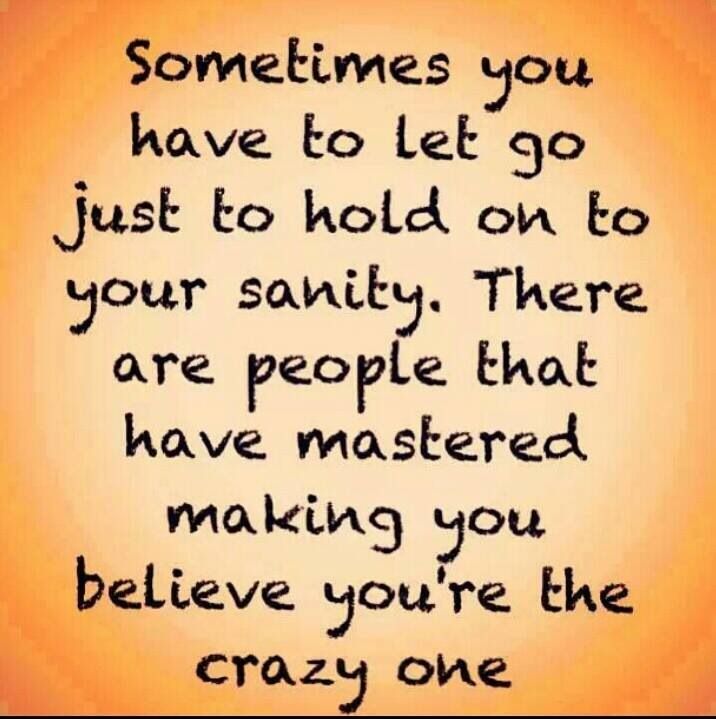
I still will never understand how Sinda became the angry and abused one in a relationship where she cheated on me. Did I say that to blame? NO. That is me reclaiming my sanity.

For all Sinda’s accusations of control, I find myself just wondering what it was I was trying to control? I did my best not to guilt her about the actual decision of the breakup, but I also insured she knew exactly when and how she had hurt me. I never did this with the intention of putting her down, but with the goal of protecting my mental state, as well as trying desperately to make her aware of just what it was she was doing. As I said, I can and want to believe in Sinda as the woman with the heart of love, trying her best to do the right thing. We all make mistakes. This may even be one for me… but I don’t think so.

Sinda, wherever you are and whenever you read this: know that I wish you nothing but the best and I hope you have found all the happiness you have chosen to have in life.
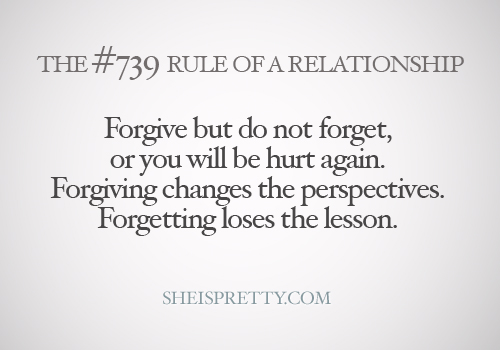
The first red flag will always be the one I feel most guilt over. "I can't remember why I was ever mad at you." Sinda had forgotten the past, and - like so many others - in doing so she became doomed to repeat it. I wish I had said something then, but I was too happy to face the inconvenient truth.
The first red flag will always be the one I feel most guilt over. “I can’t remember why I was ever mad at you.” Sinda had forgotten the past, and – like so many others – in doing so she became doomed to repeat it. I wish I had said something then, but I was too happy to face the inconvenient truth.

Abuse can never be changed. The past cannot be changed. As said in part one, there is no gold medal for walking away and doing the right, but hard, thing. But I want to give everyone out there who is doing it a hand. You are not alone.

Part Four here.
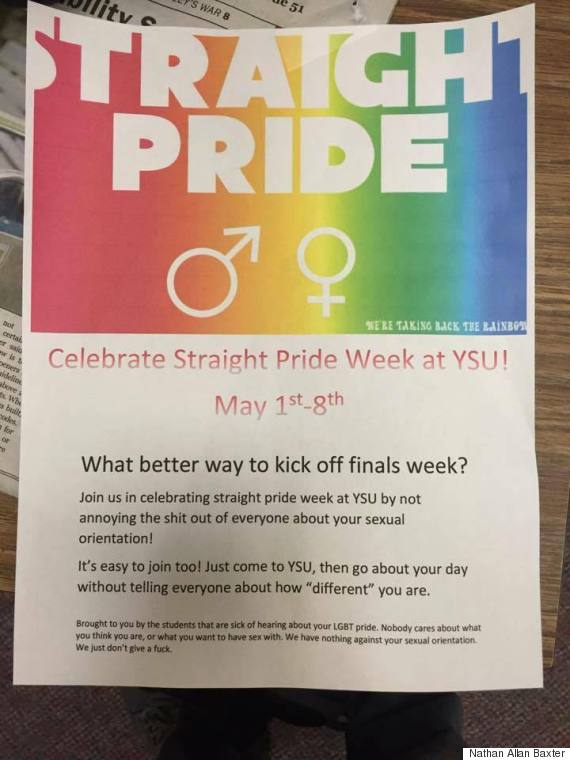
Thinking Progress: Ohio Straight Pride

Okay, time to talk on a controversial issue… something new and different. For those of you unaware, recently students at an Ohio University put up signs/posters advocating for “Straight Pride.” I’ll let the now infamous poster speak for itself:

o-STRAIGHT-PRIDE-570In case you can’t read the fine print at the bottom, it says: “Brought to you by the students that are sick of hearing about your LGBT pride. Nobody cares about what you think you are, or what you want to have sex with. We have nothing against your sexual orientation. We just don’t give a fuck.”

Apparently there were other posters… but this seems to be the only one I could find. Naturally, a poster like this upset a good many people. The LGBT community at the University denounced the poster as “homophobic” and they were promptly taken down.

Okay, for the record, I do think these posters are incredibly insensitive. They undermine the importance of Gay Pride and the LGBT community by indicating that homophobia, a prejudice very much still alive and well, is over and done with. Pretending that a prejudice is over, despite blinding evidence to the contrary, is sadly nothing new.

I tried to find a larger version of this because it is just so perfect.

Is that poster homophobic: yeah, through the omission of any admittance that homophobia is actually an issue that a lot of the LGBT community still struggle with. I am not saying these posters are right, or validated, or anything like that.

THAT SAID…

This might actually be the start of a good thing.

I know, I can’t say something like that without making a solid attempt to back it up. Progress happens slowly… but it does happen. Anyone who says that there has not been progress on an issue like racism is as much an extreme fool as anyone who says racism is over. For example: we right now are enduring an awareness of a tragic and unacceptable level of racism on United States police forces. Their actions are criminal and for many black families, this ugly reality is too real. That said, this is still a definite improvement over 200 years ago when virtually ALL blacks in America were property, not people. We (Americans) do have a black president. There is an increasing number of successful black individuals in the world. It is getting better: slowly, painfully, but progress is happening.

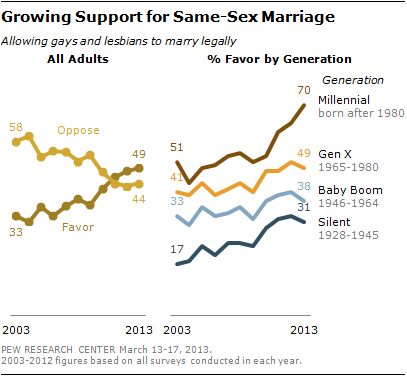
The progress on gay rights has been far more extraordinary, given the time scale. Sixty years ago: being gay was a disease in most of the “civilized” world. Now, gay marriage and equality are rapidly occurring. The difference in generational thinking on the issue of gay rights is staggering, with a reported 71% of “millennials” being in favor.

3-20-13-1I wrote some time ago on the coming out of actress Ellen Page and athlete Michael Sam, and said how irrelevant their sexuality should be to their identity, and I still believe this. So I am admitting common ground with these “Straight priders.” I do feel that, in a perfect world, that Gay Pride should no longer have to exist because a person’s sexuality is not innately linked to the content of their character. I am straight, and I blessedly do not need straight pride, because being straight in the world matters no more than having blue eyes.

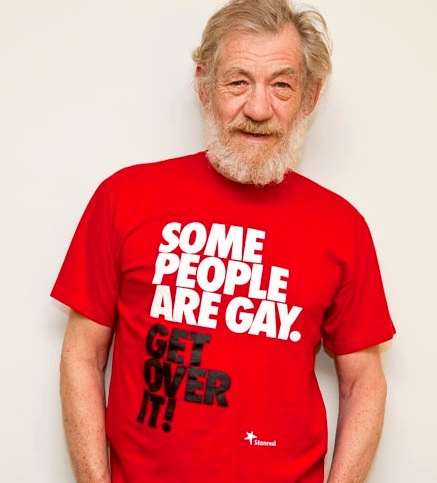
If all you see when you look at actor Ian McKellan is a gay man, then you are really missing the point of just what an awesome human being he is.
If all you see when you look at actor Ian McKellen is a gay man, then you are really missing the point of just what an awesome human being he is.

Even Ian McKellen is saying “get over it.” How different is that message from the poster above? Well, authorship matters. I mean, who better to say that homophobia is over than a gay individual? Well.. as of this moment, I do not know who authored the “Straight Pride” posters. I have made an effort to locate this information but have been unsuccessful. If any out there know for sure and can give me a link: it would be appreciated. I do know who is being blamed:


"When individuals belong to dominant societal cohorts (Caucasian, male, heterosexual, etc.) it is very easy to state "We have nothing against your sexual orientation" and to claim that efforts to raise awareness are "annoying." For minorities who every day face discrimination and marginalization, such efforts are necessary -- without zeal and persistence, sociology teaches that minority concerns very easily go by the wayside. Thus, dismissing the efforts of LGBTQIA students to push for equitable treatment as unnecessary is dangerous because it catalyzes discrimination, whether meant to do so or not." - YSU Student Government
“When individuals belong to dominant societal cohorts (Caucasian, male, heterosexual, etc.) it is very easy to state “We have nothing against your sexual orientation” and to claim that efforts to raise awareness are “annoying.” For minorities who every day face discrimination and marginalization, such efforts are necessary — without zeal and persistence, sociology teaches that minority concerns very easily go by the wayside. Thus, dismissing the efforts of LGBTQIA students to push for equitable treatment as unnecessary is dangerous because it catalyzes discrimination, whether meant to do so or not.” – YSU Student Government

Hate to tell the politically correct and super sensitive body that is YSU, but that’s profiling. Are they right: probably. But this general accusation is no different from someone saying “oh you got robbed, probably a black guy” or “listen to that lisp, he’s probably gay.” If we’re going to be equal, equality goes both ways. General rule of life: if you don’t know something, don’t jump to conclusions.

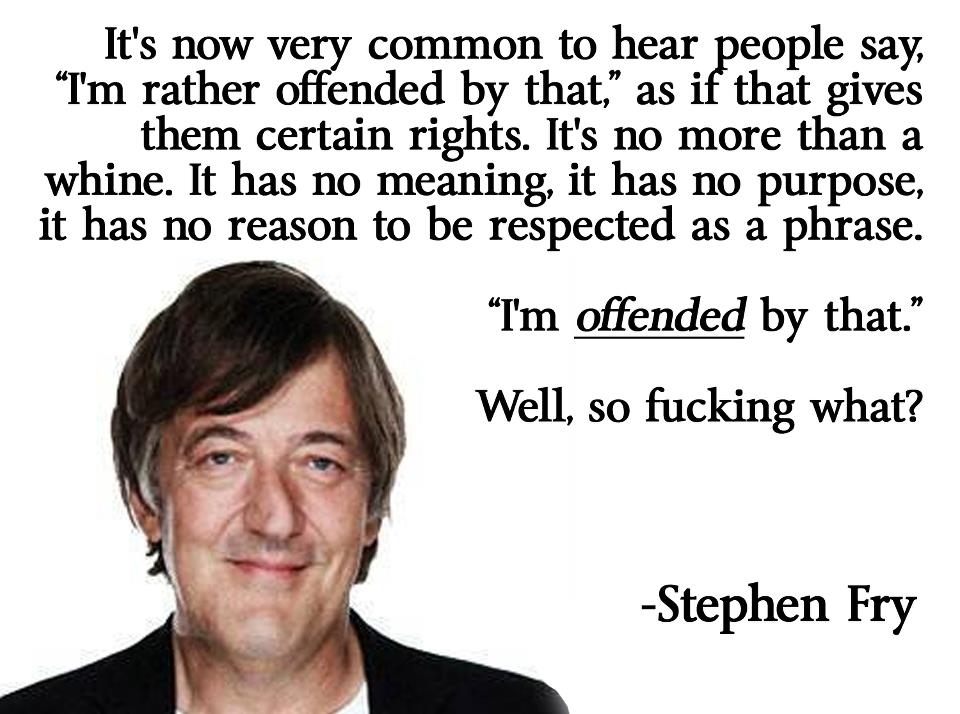
Another point of contention: I have real problems with them removing the posters. The United States is at least supposed to be a land of freedom of expression, and this arguably is our most important feature. Whether something is “offensive” or not does not matter. For those wondering, here are the limitations of freedom of speech. It is important to note that material that would directly incite harm to others is not protected. That said, those posters are not openly hateful. They do not encourage violence towards the LGBT community, at least not so far as I can deduce from that one (again, I have tried unsuccessfully to find other posters). Are they offensive? Absolutely, but what does that even mean?

0e0Idiots are part of progress, this is the truth. People denouncing racism or homophobia or anything else as “over” can be seen as simply people trying (sometimes damagingly) to over simplify life. The fact that a bunch of college kids got overly wound up in their political views and published controversial material is nothing new, and should not be given the attention of the media world. It draws focus to them and gives them more power than they should have.

So was “Straight Pride” a good thing by itself, nope. Seen as a larger part of a progressive acceptance of gay culture however, it is not terrible. The extremes are the first ones who will say Gay Pride is not needed anymore… but the fact that people are starting to say it is, in itself, a sign of progress.

You're Not Alone Part Two: A Plan of Hope to Escape the Cycle of Emotional Abuse

When I wrote You’re Not Alone almost a year ago – I thought I was letting go. I thought by putting what happened out there, it would be out of my mind and into the world, where it could help those who needed it, and bring responsibility to any who identified with it. I thought that by declaring myself the victim, I was taking strength and rising above what happened to me. I was wrong. What I wrote months ago only reflected a first step, and nothing more.

The cycle is simple but incredibly hard to break.

That first step was admittance, and it is a large one. Too often those who suffer from emotional abuse rationalize or justify the abusive behavior. After all, if someone is treating you poorly: have you not done something to deserve it? Most of the time we have, but our action was not large enough to justify our treatment. If for instance I forget to get my work done on time, it is a natural response to be cross and disappointed in myself. But everything in context: if I label myself a failure and say that I am hopeless because I did not do my work one day – I have gone too far. This is a disproportionate reaction that likely comes from another source… and that is in large part what emotional abuse is. People who have not properly dealt with their emotions so that they boil up and spill over at the wrong time. Please know that, when I say people: I include myself.

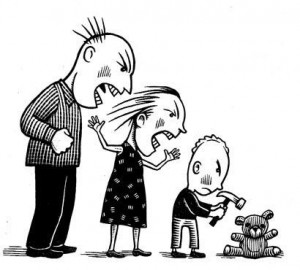
In emotionally abusive relationships, if the abuser is not confronted - the cycle continues on to the next unsuspecting person.
In emotionally abusive relationships, if the abuser is not confronted – the cycle continues on to the next unsuspecting person.

In my last article, I assigned a lot of blame to the actions of Sinda, a woman I shared an emotionally abusive relationship with. I am not apologizing for calling out her actions. That was the first part in my recovery. That said, it was out of balance. I called Sinda out, true, but I  inappropriately judged her as well. I only mentioned briefly that I didn’t think she was a bad person for what she did. I made no effort to fully understand Sinda… and in that regard, I did not move forward, but rather joined the cycle.

Not all emotional abuse is alike. Like anything, there are different shades. When I spoke of Sinda, I made an attempt to understand, but not identify with her. In fact I did the opposite. I was the victim, she the abuser: two roles carved in stone. I was sympathetic, Sinda was antagonistic. While this was not a complete lie, it was not the whole truth. In knowing Sinda the way I do, I forgot one very important thing: she is a victim too.

By labeling myself as victim and Sinda as abuser, I was not confronting what actually happened. I was simplifying it in a way that made me feel better.
By labeling myself as victim and Sinda as abuser, I was confronting what happened. That said, I was simplifying it in a way that made me feel better.

This does not excuse her actions or give her a free pass to continue destructive trends on herself and other people… and it doesn’t give me one either. Yes, this is the main reason I am writing part two. By not fully identifying with Sinda, by judging and labeling her as something different from myself: I left myself fully open to adopting the characteristics of an emotional abuser, and adopt I did.

Conscious vs. Subconscious

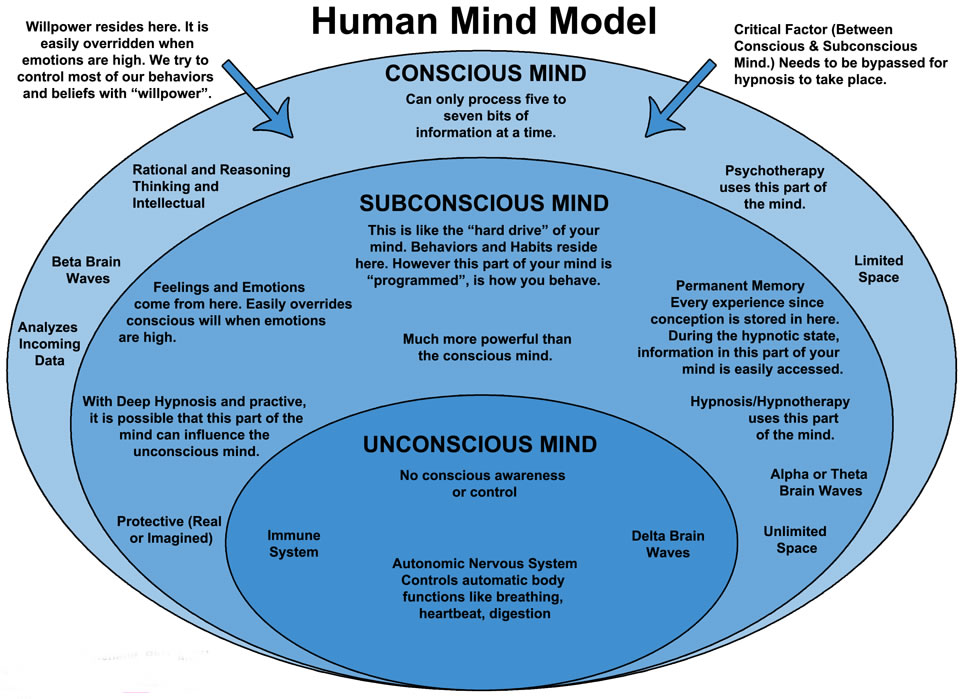
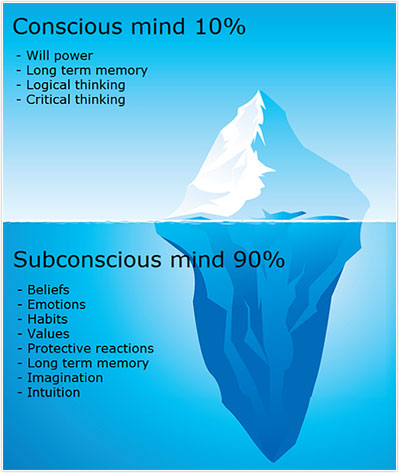
When I wrote part one, I consciously moved past it. As I said, my intention was to get the thoughts out of my head and it worked. I stopped thinking about what had happened so much and was able to move forward… on a conscious level. Conscious is our logical thought, the part of the mind that we are aware of. When we consciously make a decision, it means that we are thinking about it. If I decide to go out for a jog: that is a conscious decision, but one I might make for subconscious reasons.

The subconscious cannot think to communicate, that by nature is what it is. Yet this does not mean the subconscious plays no part in decision-making. I make the decision to go jogging but why am I doing that: a subconscious desire to remain in good shape; a subconscious fear of becoming unattractive; a subconscious fear of becoming unhealthy; or a mix of all three? We rarely think about our reasons for doing things… at least not until after the action has happened.

I'm not even going into the unconscious mind. It is simply important to be aware that even the simplest decision is not a simple one.
I’m not even going into the unconscious mind. It is simply important to be aware that even the simplest decision is not a simple one.

I mentioned in part one my moving on to other relationships after Sinda… and my performance in those relationships. I was distant, I was uncaring, I kept them controlled. Well holy shit: sounds emotionally abusive to me. But that was fine, right? Because I was just coming out of an emotionally abusive relationship with Sinda. It was not fine. For calling Sinda out on every little thing she did, I completely glossed over everything I did. Was I using justification, I do this because of my past? Sounds a lot like what Sinda said to me.

But I was consciously aware – at least in terms of the article. I knew what emotional abuse was, I had put a name to my pain… but I had not processed it. Indeed, my very action of simply moving into another relationship spoke volumes about how little I had allowed myself to process what had happened. Was that also not a thing I was criticizing Sinda for?

I had a conscious desire to feel better, as I’m sure we all do when we’re hurt. But I wasn’t fully asking myself: why do I need to feel better so quickly? Why, in a lifetime of being relatively happy on my own, was I now feeling enormous pressure to hop from person to person. A small part of it was external: people telling me I had to move on. The larger part was internal: me telling me I had to move on. But does moving on mean?

While the conscious mind controls your words, the subconscious surfaces through your actions. If you are a person who often says one thing yet does another, this reflects a disconnection on the subconscious level.

I don’t know about all people, but I hate to feel pain and misery. After Sinda, I felt those two emotions a lot. At the time, I did not fully understand why. I knew that someone I loved had hurt me badly, and I couldn’t understand why she had done it. I felt anger at her for leaving; anger at myself for pushing her away; anger at everyone else who didn’t seem to see what had happened, or if they did, dismissing it as what was standard in a relationship. In short, I was angry and I was in pain… and jumping into another relationship fixed that, how?

Distraction

We live in the age of instant gratification, and I bring that up because I feel it has created all sorts of unreasonable expectations. We watch shows where conflict is solved in 20-40 minutes, or at most over multiple seasons (a hundred hours). Many of our questions can be answered in seconds, by just putting the question into Google. There, there’s the answer. Life solved.

We live in a world that teaches us it is okay to expect something the instant we want it.

Except that’s not how it works, at least in my experience. In fact, it can lead to very poor results. As I said, feeling sad, hurt, hopeless, depressed – these are all horrible ways to feel. It is natural to want to do anything to move past them. Unfortunately, there is only one way that seems to permanently work: facing them head on and looking inward at oneself. Why am I angry? Who am I angry at? Why am I angry at this person? Was it even their fault?

These are hard questions because they relate to our sense of identity. I don’t like looking inward sometimes, especially when I know I’m going to see things I don’t like.

Much of Freud's psychology is out of date but this remains true. If you don't deal with something, it does not become magically done. It remains undone and affects you until it is resolved.
Much of Freud’s psychology is out of date but this remains true. If you don’t deal with something, it does not become magically done. It remains undone and affects you until it is resolved.

The alternative? Have a drink! Take a joint! Have a smoke! Here, here is this nice person – or someone who seems hot. Imagine all the distraction a relationship provides. Suddenly I had someone else to think about, someone else to focus on. My life was more full. I had someone to share my bed with, someone to make me feel good.

And that pain and anger… stayed. Where was it going to go? How was it being addressed. It wasn’t. I was ignoring it, the way I child may ignore vegetables in hopes they might disappear off her/his plate. Yeah, I was being a child, at least in the emotional sense. My subconscious was trying to tell me something, and my conscious heard it, but not properly. All it heard was: “I don’t want to feel this way.” I never asked: “why am I feeling this way?”

So the cycle continued. I hurt others and I felt my self-esteem grow worse and worse as I did.

For the record, I am not saying to ignore these things completely, just approach them with a healthy and honest knowledge of who you are and what you really need most. It is important to remember: you will never be 100% ready for something like a relationship.

Full Circle

I am lucky in a way many who have been abused are not: I got an apology. Sinda read my words and reached out to me. I feel it is a human thing to want catharsis, to want closure. I thought, with an apology, my wounds would go away. They didn’t, and it has taken me a while to realize why.

Part of me forgave Sinda when she apologized – the conscious part. But again, subconsciously I had still not dealt with it. This created a ridiculous disconnect. I told Sinda all was forgiven, that I knew she hadn’t meant to hurt me and that I still cared for her – but yet, as soon as Sinda made a mistake, I was quick to bring up the past. Thankfully, she called me out on this and I was able to realize consciously what I was doing, but subconsciously I felt embarrassed and put down. My emotions were still there, stronger than ever. More pain into the well I still had not looked at.

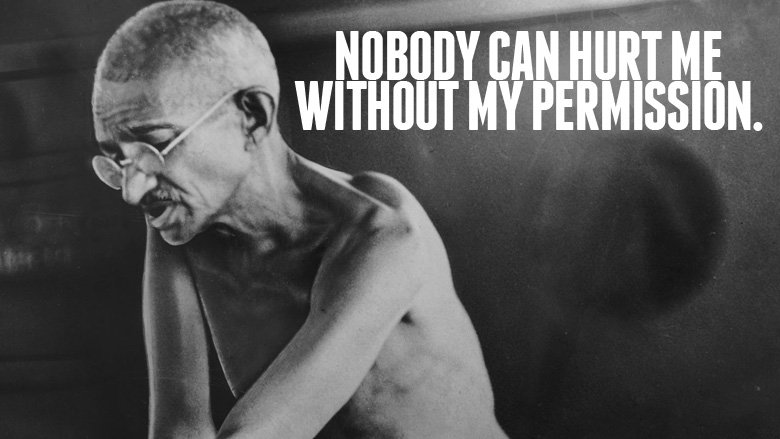
This quote may sound nice but really - it isn't true. If anything, it reflects a desire to be controlling. People hurt us all the time without our permission. It is not weakness to admit this. It is foolish to believe you will not have a natural reaction to being hurt.
This quote may sound nice but really – it isn’t true. If anything, it reflects a desire to be controlling. People hurt us all the time without our permission. It is not weakness to admit this. It is foolish to believe you will not have a natural reaction to being hurt.

Sinda and I tried to create a better present together, but our past kept us from making it so. In the end, anger boiled up on both sides and we drove each other apart… again. The cycle repeated itself, and the only difference was that I played a larger role than I had before.

Let this be a cautionary message: even if you have the best intentions, your actions will inevitably reflect what your subconscious is feeling. I was still terrified of Sinda. Terrified she would hurt me again. That fear turned to anger, since of the two emotions: anger is the one I feel more comfortable with. I ended up hurting someone I cared about, and events continued cycling.

Moving Forward

Anyone involved in an abusive relationship likely began as the victim. I do not think I have ever met a person who, in knowing how to treat people both positively and negatively, has consciously chosen negatively every time. This is why the nature of emotional abuse is so vicious. It creates a false reality, a world where this is just the way things are. In a way, this is part of the mechanism I told myself to feel better. Sinda didn’t choose to hurt me, it was just the way our relationship worked out. While part of this is true, part of it is not. Sinda DID NOT mean to hurt me, but that still didn’t make it a healthy relationship. Relationships are not like that. The entire idea of relationships in the first place is to find someone who makes us happy, who accepts us as we are while still encouraging all the best qualities we have.

Notice that loving a person is not the essential part of a healthy relationship. Equality and respect are just as important.
Notice that loving a person is not the essential part of a healthy relationship. Equality and respect are just as important. Seek a relationship that has all of these. Never settle for anything less by “saying good enough for me.” We are all born deserving the best.

But to do this, I had to learn to do something harder: I had to learn to properly love myself (and by that I mean accept myself). It appears easier to “love” another, or to find someone who “loves” us. But really, most of the time this “love” simply means “giving/receiving positive attention.” That is what we yearn for. I was giving myself negative attention. Telling myself there was something wrong with me, that there had always been something wrong with me. That life wasn’t fair and I was the one being shit on. Why should I try so hard to make others happy if I was always left miserable? F*ck it.

Sound familiar? It is a pattern of thought that unfortunately comes from being abused. “Sticks and stones may break my bones but words can never hurt me” – this is bullshit. It can true if say you cut someone off in traffic and they flip you off – who really cares? You’ll get mad for a bit but… whatever. You didn’t know them. You’ll probably never see that person again.

BUT

If your parent says that, or a sibling, or a significant other: these are people we love. To love someone is to give them power. When I love Sinda, I am saying “you matter to me.” That includes actions and words spoken. When a mother or father says something like “you’re worthless” or doesn’t want to spend time with you, they are sending the message that you aren’t worthy of their love. This is a horrible thing to do to someone who loves you. Especially when it comes to parents, there is no excuse for this behavior. A child relies on his/her parents for love and stability, after all it is our parents who make the largest impression on our early years – and it is our early years that play a large role in shaping who we become.

Childhood emotional abuse is arguably the worst kind. A child has no experience, no knowledge of the world. An abusive parent blinds them to all the positive the world provides.

So when someone you love hurts you, it REALLY hurts. There is deep damage done, on the subconscious level. Our sense of self and our notion of worth are both damaged. This is the subconscious level, and until it is corrected, there is an imbalance between inner and outer self. I know I said many things but communicated with different actions. I have said I cared for someone, and then pushed them away – this action does not make sense. I have felt not worthy of another’s love and attention – this is not healthy, and reflects a distrustful nature of others.

But it can be fixed

Facing the Subconscious

I am still learning this one, so please be advised that nothing I am saying comes from a place of real authority. In fact, that is part of recovery: admitting that I don’t have and will never have all the answers. This admittance got me looking for them. I didn’t fully understand myself, or what was happening to me. I reached out to therapists and to friends to help me gain a fuller understanding of myself, but that was not enough.

Facing my inner self (subconscious) meant asking a lot of personal questions, and I truthfully didn’t even know what most of those were. Here is my first recommendation: if you feel you have been emotionally abused, learn as much as you can about what that means. I recommend going to books written by doctors, or people who have spent years studying the field. Google can help but usually it is just basic info. I also recommend staying away from anything that gives an offensive label to your abuser. This I learned from Sinda: I regret labeling her as an abuser. It distanced my humanity and gave me a wrongful air of superiority. My personal recommendation is Hope and Healing from Emotional Abuse. The book rightfully places the focus on accepting oneself and learning forgiveness. It also draws attention to every part of life, including that of faith – something that today can be too glossed over. The book also includes many helpful activities to teach the proper questions to ask to learn the truth of when the abuse started and how to move past it.

The activities are the best part of the book. You want something that directly engages thought patterns.

I can also personally recommend meditation or hypnotherapy (guided relaxation that takes the self into the body and makes it more aware). Meditation shuts out of the outside world and allows the mind to focus in. Both also provide crucial moments of healing when the body is able to actively relax and feel okay. Most of the time we’re too busy running around or trying to do five million things: it pays to check in sometimes and put everything in perspective.

Do Not Be Afraid of Your Negative Emotions

The pain I was feeling from what happened with Sinda (and what happened from my earlier life) was not a bad thing. It was natural, my body was taking time to process. Facing negative emotions can be an unpleasant idea. Looking back into painful memories sounds just like that – painful. Yet it is possible to do without judging yourself, as long as you go into it with an open mind. In fact, the process is very healthy.

Looking back at my time with Sinda and my time since then, I had to face a lot of inconvenient truths. While trying to be the hero of my own story was a good thing, it went too far if it meant I overlooked or minimized all the mistakes I had made. It made me seem not human and apart from everyone else. In a way, by not accepting my weaknesses and shortcomings, I was adding to my feelings of isolation and loneliness.

Even the hero makes mistakes from time to time. Even the hero knows sadness, most heroes come from a life of sadness. We are all human, and that is beautiful.

Doing this step is hard since it means turning away from distractions. I say this as someone who fully knows. I wanted to be in a relationship. I wanted it so badly, I wanted to bring love and caring and all the best parts of me to the person I care most about. But facing my emotions means being honest, and honestly – that goal was  not possible. I have a natural urge to help others, and this is good. Yet if I am out of balance or in a dark place, then I don’t full know how to do that and what should be a good part of me emerges instead as control.

I also wanted to be in a relationship to make myself feel better. To distract me from what I was feeling. To make myself feel “complete.” This is selfish, and relationships, especially with people I love, should never be driven by selfish impulse. I can’t be fully honest with another human being without first being fully honest with myself. That’s a good rule of thumb with relationships.

Accept True Forgiveness

This goes hand in hand with being fully honest. When I tried to forgive Sinda, I had yet to forgive myself – so I couldn’t. True forgiveness comes from not just forgiving the person who hurt you (whether they apologize or not), but for forgiving yourself for being involved. For a time, I hated that I loved Sinda. What did it say about me that I brought her into my life? This woman who everyone told me was a mistake to date.

These two words can be incredibly powerful when said with sincerity. Sinda was beyond brave for admitting her mistakes and apologizing. I wish I had been as brave as her.
These two words can be incredibly powerful when said with sincerity. Sinda was beyond brave for admitting her mistakes and apologizing. She is my inspiration moving forward in this area.

It wasn’t a mistake. I was not stupid or wrong for falling in love with her. Sinda is not some mustache-twirling villain seeking to hurt me. She never was. Forgiveness means letting go of labeling judgment. I wanted to judge Sinda as bad because she hurt me. While her actions were wrong, it didn’t mean she was terrible. It’s life. No one knows how to be perfect.

No one fully knows how love works, but one relationship beyond all choice is parental. No one chose their parents, so you can’t be blamed if your parents were lacking, or not there when you needed them to be, or actively abusive. That action is on them, not you. They are the adult, they chose to have you. If you come from an abused childhood, it is so important to recognize it, and to understand that, while it affected you greatly, what happened was not your fault.

Focus on You

This has already been strongly hinted at. A lot of us go through life doing what is expected or what we are told to do. What do you want to do? It’s a question worth asking. But it is important to keep active.

For myself, this meant making a schedule. Anyone who knows me will tell you how much I hate routine. I am a creative person, I love following my passions. But doing it too much meant I had too much unstructured time… or time to sit and dwell on my thoughts. While it is good to think, it is bad to dwell. Dwelling keeps the past alive and prevents one from being fully present. I kept bringing up the pain from Sinda, and in doing so – I made it more and more a part of who I was. I don’t want to be defined by that. I want to learn from it, accept it, and continue to become who I am.

Luckily, abuse is not the only cyclical pattern in life.

Human beings are bizarre creatures in this way. We cling to the familiar, even when the familiar is horrible. Focusing on you means thinking: who are you, and what do you want? Is this life the life you want, or the life someone else has tried to force onto you? Are you who you are because you want to be, or because you were raised to be? Going forward can be scary, as can letting go. I owned my pain from Sinda – it was mine, by letting it go – who am I now? Such a simple thing with clear positive results, but I was afraid to go there.

My limited life experience has taught me this. I wish more than anything I had let go earlier.

Someone who has been abused their whole life owns it as part of their identity, how could they not? Letting go of it means letting go of a large portion of themselves. The good news is that allowing anger and sadness to pass does not leave you feeling empty. I say that from personal experience. It’s scary: you will leave your comfort zone, but you grow as a result.

Mind and Body

My grandfather used to tell me that I needed to preserve mind and body. At the time, I didn’t understand him. Surely the mind was more important, the body was just a vehicle. The mind was where I was me, after all.

But I have learned some things from experience. For example: thinking about painful memories while walking or running feels a lot better than thinking about them while sitting down. I approached this topic with my therapist and he told me it was because the action of moving forward helped to send a subconscious message to the mind and body. I wasn’t sitting with my thoughts, I was actively moving forward with them. And I have found this true, my mind appears to function and process far better when I am exercising than when I sit still.

Benefits-of-Exercises1

Sitting still also usually opens the distraction of food or drink or other substance. As someone who used to indulge in food a lot when he was sad or feeling bored, this can have long-term effects on image and energy.

Be Patient

I made mistakes. I went through setbacks. I hurt people when I absolutely did not mean to. I did everything under the sun and I have been working at this for over a year. I know how frustrating it can be. Just know that everyone has setbacks. You are not alone if you are trying to do something and failing. Trying is the important thing. Never stop trying. Go easy on yourself: the reason people can heal super fast in books and movies is that they’re not real.

2013_04_29_DHW_FBPM

Don’t make excuses for yourself, don’t lose the drive to change. Just be patient in the meantime. If it were this easy to end the cycle, we would not still be talking about emotional abuse in 2015.

Restore Balance

That is the purpose of all of these things. Restore balance to yourself. While it can be argued that no one person can change the world, we definitely all can change ourselves. I feel this is a responsibility, hell it might even be our only one. No matter what relationships I have: the person I was born with was me. I will be with myself until the day I die, I had better learn to accept and love myself as a person. That will affect my whole existence and my whole experience of life.

We are our mind, we are our body. We are conscious and subconscious. When all of these things are aligned, I believe I will be in a healthier spot, and able to put the negative of what happened behind me. I don’t want to live my whole life as a “victim.” The word sounds weak, like someone not in control of their life. I also certainly don’t want to be an abuser, someone who is trying to control too much of their life.

"Listen, [Visions of Amon, Unalaq, and the Red Lotus appear as the camera pans from Toph to Korra.] what did Amon want? Equality for all. Unalaq? He brought back the spirits. And Zaheer believed in freedom. The problem was, those guys were totally out of balance and they took their ideologies too far." The Legend of Korra is an excellent show when it comes to illustrating mental growth and recovering from abuse.
“Listen, what did Amon want? Equality for all. Unalaq? He brought back the spirits. And Zaheer believed in freedom. The problem was, those guys were totally out of balance and they took their ideologies too far.”
The Legend of Korra is an excellent show when it comes to illustrating mental growth and recovering from abuse.
I want to take this moment to apologize to everyone I have hurt along the way. I was no monster (I don’t think) but I didn’t treat you with full respect. Know that it wasn’t anything you did. I take full responsibility for my actions and my pain. I am sorry I brought it to your lives.


We can all be victims, we can all be abusers. We also all have the power to rise above it and end the cycle. I choose this option.

Part three here.