Ranking the Original Halloween Series

That’s right, just the original eight films. No Rob Zombie here. To be honest, the main reason that the Rob Zombie remake series is not being included is due to the fact that I have not seen Halloween II. Also, with the immanent announcement of Halloween III, that is not a series that has yet been completed. The first series however, the one that began in 1978 with John Carpenter and ended in 2002 with Busta Rhymes (not joking); that series has come and gone and can be looked at with a sense of completion. Everyone (or at least every horror fan) knows what a classic the original is. Spoiler warning: it is my number one. What of the rest of the series? Are they even worth watching? Let’s get into it, going best to worst.

1. Halloween (1978)

What a shocker. In previous posts over this past month, I have made no secret what a masterpiece I personally feel this film is. There is perhaps no better movie that illustrates the difference that an excellent soundtrack can make with a film. It is not simply score either, throughout the film director John Carpenter uses little sound queues to add the element of the supernatural into Michael Myers’ character. While some of the dialogue is not strong, Jamie Lee Curtis shows her acting chops as a leading lady. She is so perfect at being normal, so easy to understand. It sets up an excellent contrast between her and Myers. Donald Pleasence is also excellent and Dr. Samuel Loomis, sort of the modern-day Van Helsing foil to Myers’ evil. The film works without a lot of blood, without a ton of kills, without having to go to any extremes at all (take a lesson, Rob Zombie). Halloween is driven by pure talent at every level. Essential viewing during the October horror season.
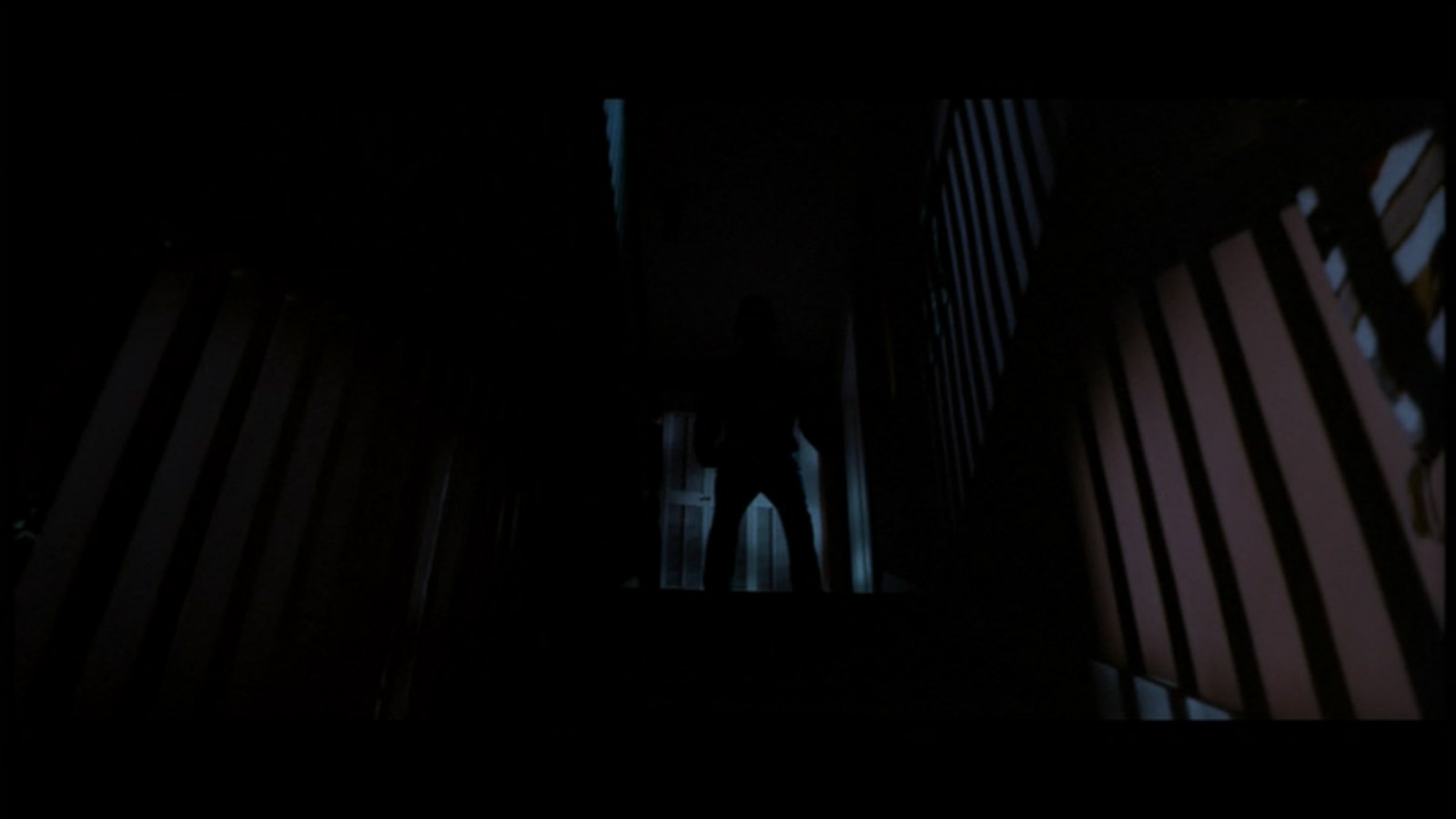
In the ending credits to the first film, Michael Myers is referred to as "the Shape." While other movies in the series would follow suit, this is the only film where the title really works - due in large part to Carpenter's directing style.
In the ending credits to the first film, Michael Myers is referred to as “the Shape.” While other movies in the series would follow suit, this is the only film where the title really works – due in large part to Carpenter’s directing style.

2. Halloween H20: 20 Years Later (1998)

The fact that this film is number two is a testament to how much the series’ quality drops off after the original. Do not feel that my placing this film second is in any way an endorsement of it as a good film. Halloween H20 (stop snickering, it is a serious title!) picks up twenty years after the events of the first two movies. It completely ignores the continuity set in the three films before it in an effort to return to the roots of the franchise. Jamie Lee Curtis even returns to star in the film. The reason this movie places second is due to its short run time (86 minutes) and its fun, over-the-top ending. That said, this is a film that suffers from multiple false jump scares. It is strongly debatable whether a single false jump is too many, but this movie features ten in about as many minutes. The resulting effect strips the film of any sense of tension and leaves the audience feeling bored and actually, kinda chuckling along at how many there are. Maybe this was the director’s intention. In any case, if you can survive the first half: H2o pulls a fun ending that somehow managed to feel like a satisfying end to the series. Being the 7th film, Michael Myers was getting pretty old at this point.
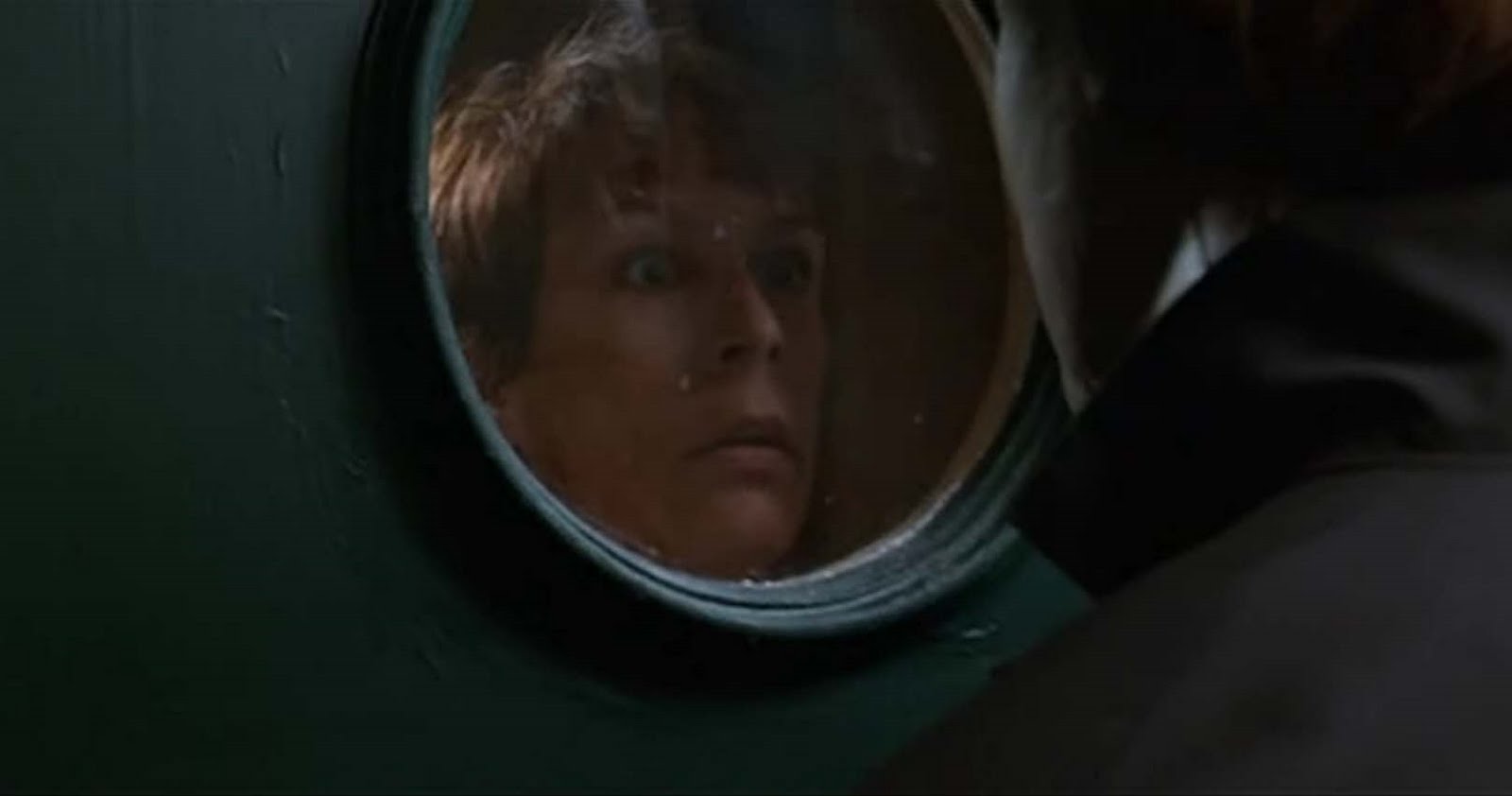
The scene of Laurie seeing Michael again after twenty years would have had much more impact... if not for the fake out scare that took place two minutes prior.
The scene of Laurie seeing Michael again after twenty years would have had much more impact… if not for the fake out scare that took place two minutes prior.

3. Halloween III: The Season of the Witch (1982)

In truth, this film is consistently a better film than H2o, yet this is the sequel most hated by many Halloween fans. The reason: Michael Myers is not in it. Well, he sort of is, but only on TV. This is the only Halloween sequel to attempt to branch off and do something original. For the record, it is still not a particularly good movie. The plot, which involving an evil attempt to kill kids via Halloween masks, is interesting but resolved in a rushed way that does not feel satisfying. The characters work fairly well but they wear thin by movie’s end. Looking back, this film may have been more successful with a different name. It should not have included a “3” as that set up the expectations of a direct sequel. There are also zero witches in this movie… just saying. Another problem this movie has is Trick ‘R Treat. This 2007 movie does what Season of the Witch was trying to do… only much better.
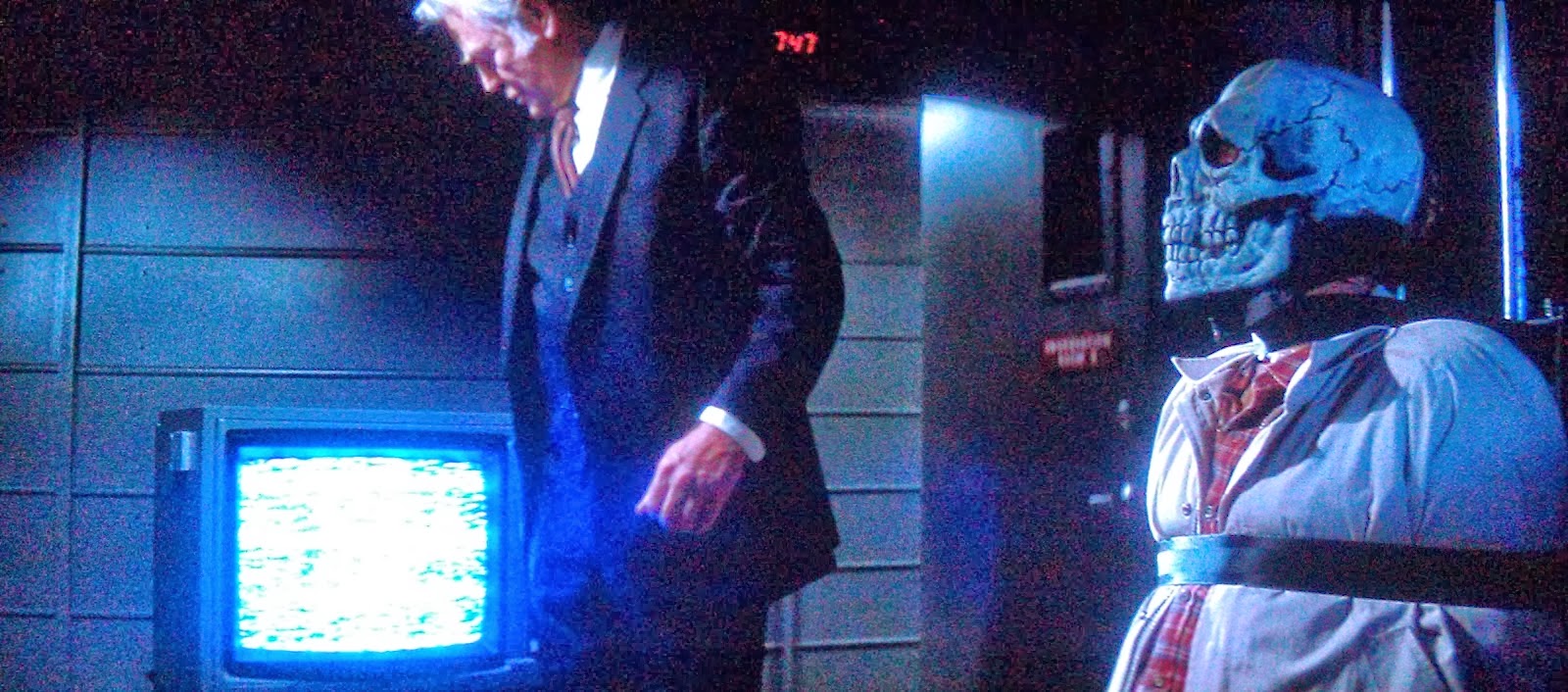
Instead of putting Myers on TV, this film should have incorporated the events into the same universe. Fans probably would have reacted more positively to that.

4. Halloween 5: The Revenge of Michael Myers (1989)

Oh man, we’re getting int the pure cinematic crap territory now. Halloween 5 is a mess. This is the second film that follows Laurie Strode’s daughter (A.K.A. Michael Myers’ niece) as she tries to survive her psychotic uncle. The film is a direct continuation of four but kills the other surviving character really quickly. This is a shame because this character was older and linked the niece with the rest of the teenage characters. Also, the audience was treated to the character “Tina” instead. Tina is not likeable, Tina is not smart or clever… in fact Tina purposely does things that the character acknowledges will get her killed. Sounds like a fun protagonist right? The plot is everywhere with a cliffhanger ending that makes no sense. The only reason this film is this high on my list is due to the over-the-top stupid nature of some of the scenes. It makes parts of the movie really fun to watch… and it also allowed me to remember parts of it. More than I can say for the next film down.

Watching Michael Myers slowly drive after a child with John Carpenter’s iconic theme blaring is nothing short of magical.

5. Halloween 4: The Return of Michael Myers (1988)

This movie is really boring. I should end the synopsis there. I will simply say that any “Halloween fan” who complained about Michael Myers’ absence in Season of the Witch got exactly what they deserved. A retread that brought nothing new or memorable to the series. Watch it or don’t: you won’t remember it anyway.

The movie sets up Myers' niece Jamie to be the next killer. This idea goes nowhere and is barely even mentioned in the following film. I guess they learned their lesson about trying new things with Halloween III.
The movie sets up Myers’ niece Jamie to be the next killer. This idea goes nowhere and is barely even mentioned in the following films. I guess they learned their lesson about trying new things with Halloween III.

6. Halloween II (1981)

The direct sequel and follow-up to Carpenter’s classic… is really poorly constructed. This is the only sequel that John Carpenter had anything to do with. While he did not direct, he did help write the script. Unfortunately, the script is the main problem. Most story experts will tell you that a protagonist is needed to give the audience a person to root for. Halloween II does not have a protagonist until the final act. Jamie Lee Curtis’ Laurie returns from the original, but is unconscious through most of the movie. Dr. Loomis also returns but does little to impact the plot in the beginning. The result: Michael Myers killing a bunch of people no one cares about. I would have included this movie higher (than 4) if not for one thing: this is the movie that adds in the family motivation. Michael Myers is after Laurie because he is her older brother. Gone is the random killing of the Boogeyman, this Michael now has a human motivation. I never understood why Carpenter would write this for a man he made increasingly supernatural as the first film progressed. All the Halloween sequels and remakes would follow this narrative. I hate it. The Boogeyman should not care about his little sister.
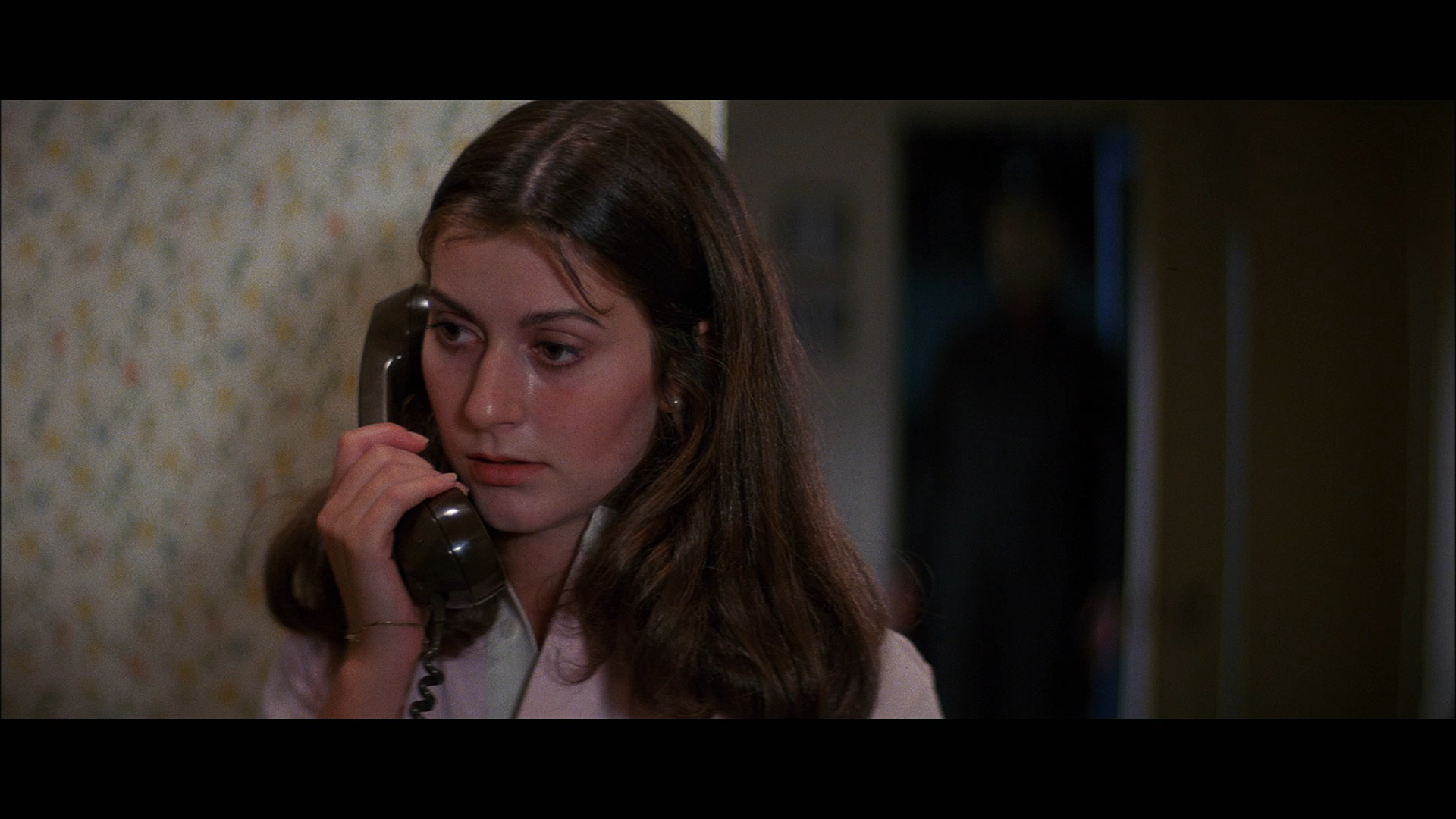
Who is this woman? Do we care: no. Will she die: yes. Repeat 7-8 times for most of the substance in this movie.

7. Halloween: The Curse of Michael Myers (1995)

If 5 was a mess, Halloween: the Curse of Michael Myers is a catastrophe. It does not help that there are two versions of this movie out there. The theatrical cut and a Producers Cut. I have never seen the Producers Cut, but it is hard to imagine salvaging a good movie out of what was presented in theaters. Nothing makes sense. There are characters who go nowhere (in both cuts) and plot lines that are hastily tied up from the previous movies. The only reason I could give to watch this movie is to see Paul Rudd beat up Michael Myers with a pipe. I’m not kidding – that’s how he dies this time around. This is also the last film to feature Donald Pleasence, but really it is just sad to see him in a film of this quality. I have no clue if John Carpenter ever saw this movie, but I imagine his reaction would be similar to one of the first lines of the film: “Enough of this Michael Myers bullshit!”

It is hard to believe that both of these actors were in a movie this bad.

8. Halloween: Resurrection (2002)

I know, it’s hard to believe the one starring Busta Rhymes is the worst. Rick Rosenthal returns to direct Halloween: Resurrection after thoroughly underwhelming audiences with Halloween II. His directing talent did not improve in the twenty years between movies. What makes it sooooo bad? Apart from another stupid and nonsensical plot, Resurrection manages to undo all of the best parts of H20, namely the ending. Jamie Lee Curtis does not get to kill Michael Myers. Instead, she is offed very unceremoniously fifteen minutes into this film. The rest is done in reality TV show and contains roughly the same quality. Even the over-the-top, one-liner spouting Busta Rhymes can’t redeem this crap. Just how bad was it: bad enough to put the original Michael Myers in the ground for good.

So there you have it. Really. This is all the original series had to offer. Were there some great moments? Sure… all of them coming in 1978. Halloween has left a legacy that continues to live to this day. That is a mark of how great a film it was. You cannot judge a film by its sequels. John Carpenter is not responsible for what came after… although I’m sure he would agree that it could – at the very least – have been a little better than this.


Happy Halloween everyone!
 

When watching this series, I wondered how great it would be if Michael Myers ever returned as something other than human. This is from my proposed sequel: Halloween Dog.

How to Make a Hallway Scary: the Silent Hills P.T.

There is a real question with video games: can they be terrifying? Those that have played know that yes, they really can. Such an experience is not central to the video game world. Practically all major releases have nothing to do with “fear” per say, an adrenaline rush from simulated combat is not the same as a truly dread-inducing experience. Video games, like films and stories, relay on simulating the senses. This goes against the normal adjectives one associates with gaming. Words like freeing, relaxing, and in-control cannot be applicable (at least to a large extent) in successfully scary games. To scare the player, a developer needs to remove the sense of freedom, keep a tension-filled environment, and make the player feel anything but in full control. The playable teaser to the upcoming Silent Hills accomplishes all of this… by making the player walk down an unending hallway.

Just a fan enjoying the happy hallway.

I’m not joking. It is terrifying.

Like all of the best scares, the Silent Hills P.T(short for playable teaser) goes for a simple concept. The most successful horror films have done this. Think of Jaws making people afraid of what could be in the water, and Paranormal Activity asking “what happens after you go to sleep?” The Playable Teaser asks this question: “what happens when you’re helpless in a very hostile and creepy environment?” But let’s break it down further. Here is the introduction to the hallway in question:

The_Never-ending_hallwayI am not sure if you can tell just by looking but there is a turn at the far end of the corridor. This is essential and comes into play later. First things first though… does it look at all familiar to another famous horror hallway?

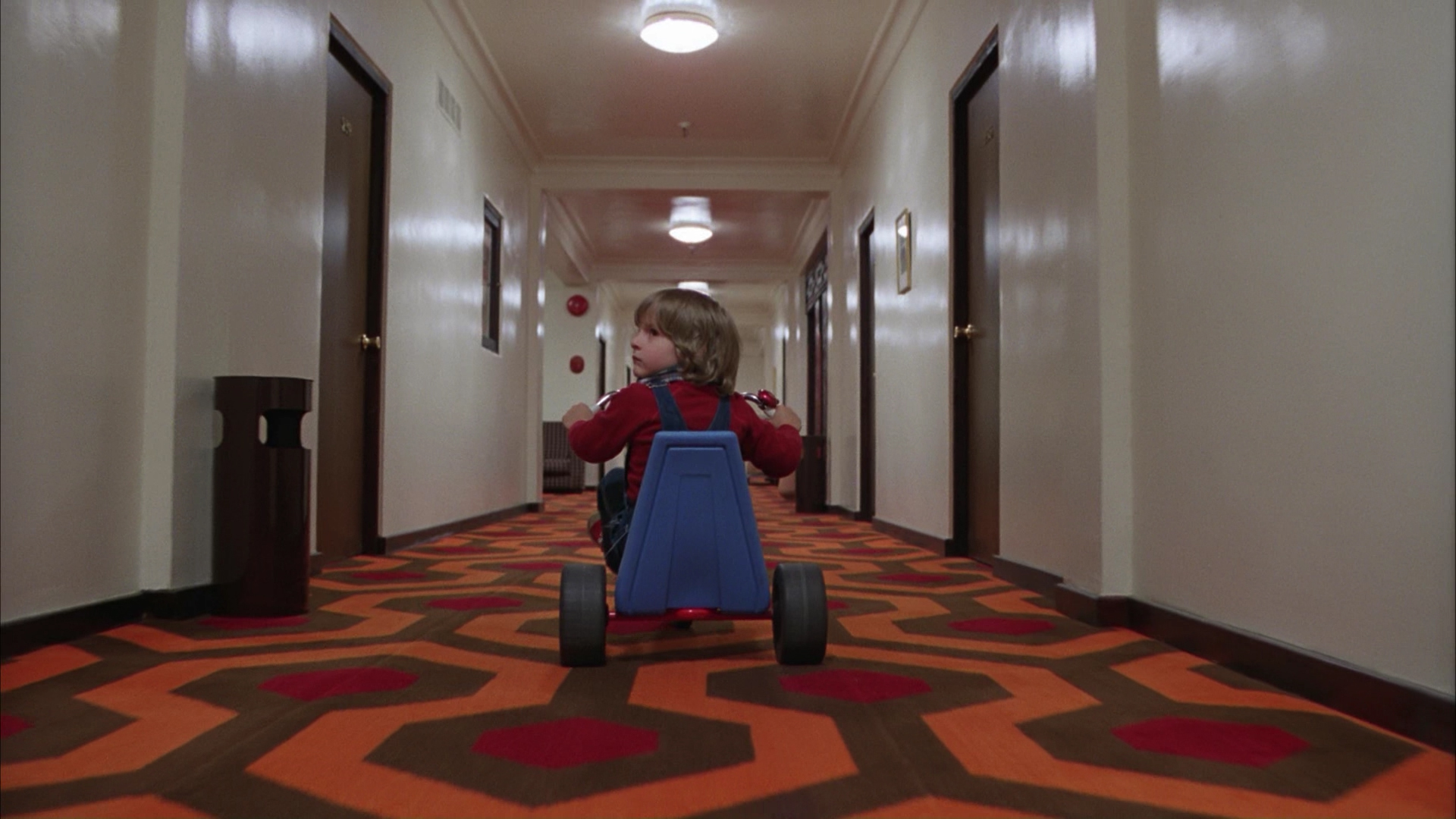
Nothing at all creepy about a boy riding his bike down a completely deserted hotel hallway.

Yes, the good folks over at Kojima Productions have invoked the spirit of Stanley Kubrick it seems, at least as far as visual setting is concerned. As Silent Hills is one of the more famous game series in the horror genre (only Resident Evil has more immediate recognition), it is to be expected that most of its hardcore fans would be familiar with The Shining. The use of an already famous horror setting aside, there is something much more important about the look of the game. Take a look at the difference in these two shots. One features an actor, a conduit for the audience. The other… is just you.

Previous entries in the series have always been in third person.. for however much that helps.

The Playable Teaser breaks from a long tradition in previous entries and goes first-person. There is no conduit, nothing between the player and the experiences. This helps greatly for two reasons. One: everything is seen without a player character standing in the way. Two: this use of first-person greatly restricts the freedom of the camera. Remember that turn at the end of the corridor? There is no way to see around it without taking those terrifying steps.

Well, just a few steps – what’s the big deal?

OH DEAR GOD!

The player is not as alone in this hallway as they would like. Throughout every walk down the happy hallway, players see things. Some, like the above image, are directly in front of you. That said, the vast majority of jarring sequences occur off to the side. This is a corridor full of many doors and many odd little angles to look around.

Now obviously, visuals can only do so much with horror. Many would actually argue that sound actually plays a greater role in creating fear. Personally, I agree with this, and it is clear the developers felt that sound was essential as well. While the music in the Playable Teaser is not particularly memorable, another use of sound is: the radio. While walking down the endless wonder of the corridor, the player hears different snippets of a radio broadcast.

But none so directly engaging as:

“I said look behind you” might be the most creepy line to ever come out of a video game radio. ever. As you no doubt heard, the weird distorted guttural cries of the creature(s) in the hallway are also audible and numerous points during the game.

This visual and audio construction are two of three key blocks that allow the Playable Teaser to be effectively scary. The last comes in terms of the player’s ability to interact. In short – they cannot. The player is only able to move and zoom the camera in to more closely examine objects. There are no weapons, no ability to attack at all. The lack of options takes away any real feeling of control. The only defiance the player can do against the game is to stop moving, but even then – that hallway is still creepy as hell.

This is the actual menu screen for the game. Kinda misleading... isn't it?
This is the actual menu screen for the game. Kinda misleading… isn’t it?

The Silent Hills P.T. creates dread. The dread of environment, the dread of enemies, the dread of vulnerability. It is a perfect exercise in simulated scares. Not since Silent Hill 2 has the series so immediately created an impact like that. Hopefully the full game can measure up to the Playable Teaser. I’ll let you know… assuming I am feeling brave enough to play it.

Defining Slasher or Five Films You Did Not Know Were Slashers

Before getting into this article, one definition must be clarified. Specifically: what is a “slasher” movie? What are the criteria, what makes them different from regular horror films? There are variations on the definition. This is the Wikipedia definition:

“A slasher film is a subgenre of thriller and horror film, typically involving a psychopathic killer stalking and murdering a sequence of victims in a graphically violent manner, often with a bladed tool such as a knife, machete, axe, scythe, or chainsaw.”

It is not a terrible definition, but personally I do not feel it covers the entire genre. Here is another from Urban Dictionary:

“A horror movie usually with one central homicidal maniac who usually uses cutlery to systematically slaughter his victims.”

Closer but I am still not on board with it. I guess my complaints at “slasher” definition come from the fact that the poor movies seem to have defined the genre. Critic Roger Ebert used to refer to slasher films as simply “dead teenager movies.” However, I feel to let the low-quality define is to do a disservice to the genre. It would be akin to defining dramatic films as “movies featuring multiple emotional breakthroughs, often done in an over-the-top, cathartic manner.” Are there more bad slasher films than good: absolutely. The ratio is probably similar to the amount of Spartans vs. Persians at the battle of Thermopylae. Still, let’s expand this definition a little.

In my mind, I have never considered the choice of weapon relevant to the “slasher” definition. “Slashing” simply refers to the high body count these movies typically have. This does not mean that many people have to die, just that a high portion of the cast is no longer present by film’s end – due solely to the actions of that film’s “slasher.” Hmm, actually – all this use of the word slasher is getting confusing. Maybe there is a better way to explain my point. Below are five films I feel are slashers – which are left off using the standard definition.

5. Predator

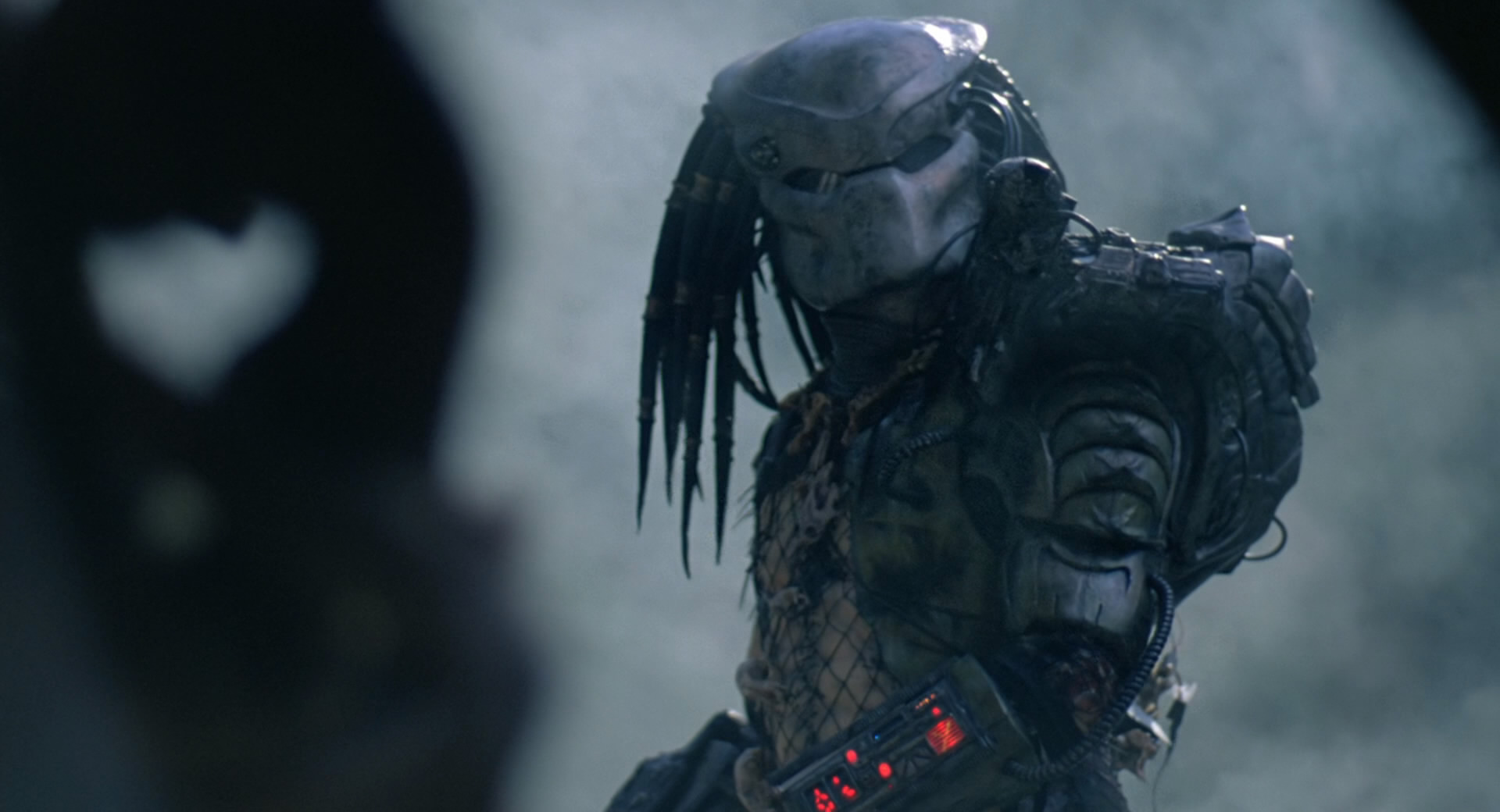
There ain’t no teenagers in this movie. Released in 1987, Predator stars Arnold Schwarzenegger and follows the struggle of a team of special forces against an alien with super-powered technology. This alien stalks the team one-by-one as they try to make their way through a savage and isolated jungle. There is no sex, no real drug use beyond tobacco, and no nudity to speak of. Yet, boiled down: Predator is a killer hunting people in the forest. It is not a stretch to label this film a slasher, even if it is in the realm of science fiction.

Oh look at that, he's even wearing a mask!
Oh look at that, he’s even wearing a mask!

4. The Terminator

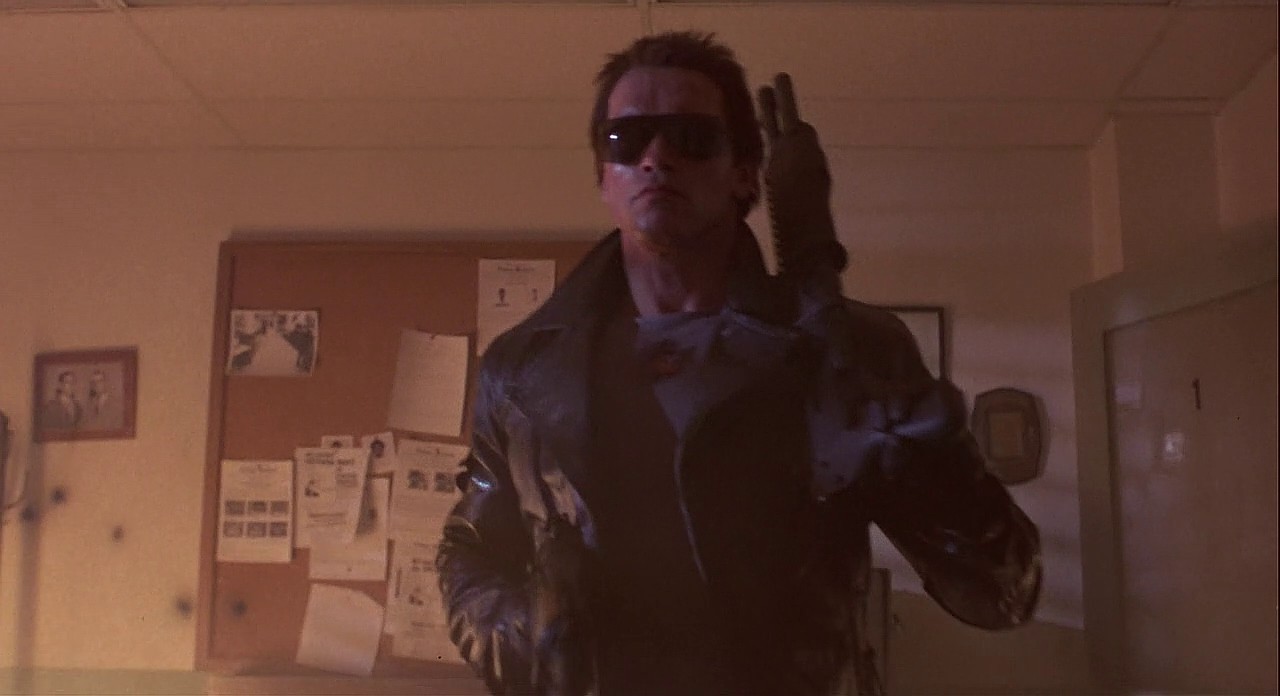
More Schwarzenegger, only this time he is the unstoppable superhuman killer. Arnold plays the terminator – a robot sent back in time to kill a young woman. The Terminator is perhaps the best example of a slasher movie embracing the “indestructible” nature of the killer. In the more traditional slasher films, the police are always seen as a source of safety. Once they arrive, it is all over. Later slasher movies would shatter this illusion of strength but none so effectively as The Terminator.

This is the most famous example of a killer walking into a police station and just demolishing it.

He does not ever use a knife, yet that metallic arm that reaches for Linda Hamilton‘s character at the end can be seen as an equivalent weapon, at least in terms of its threatening presence.

3. Alien

Well, if Predator was a slasher…

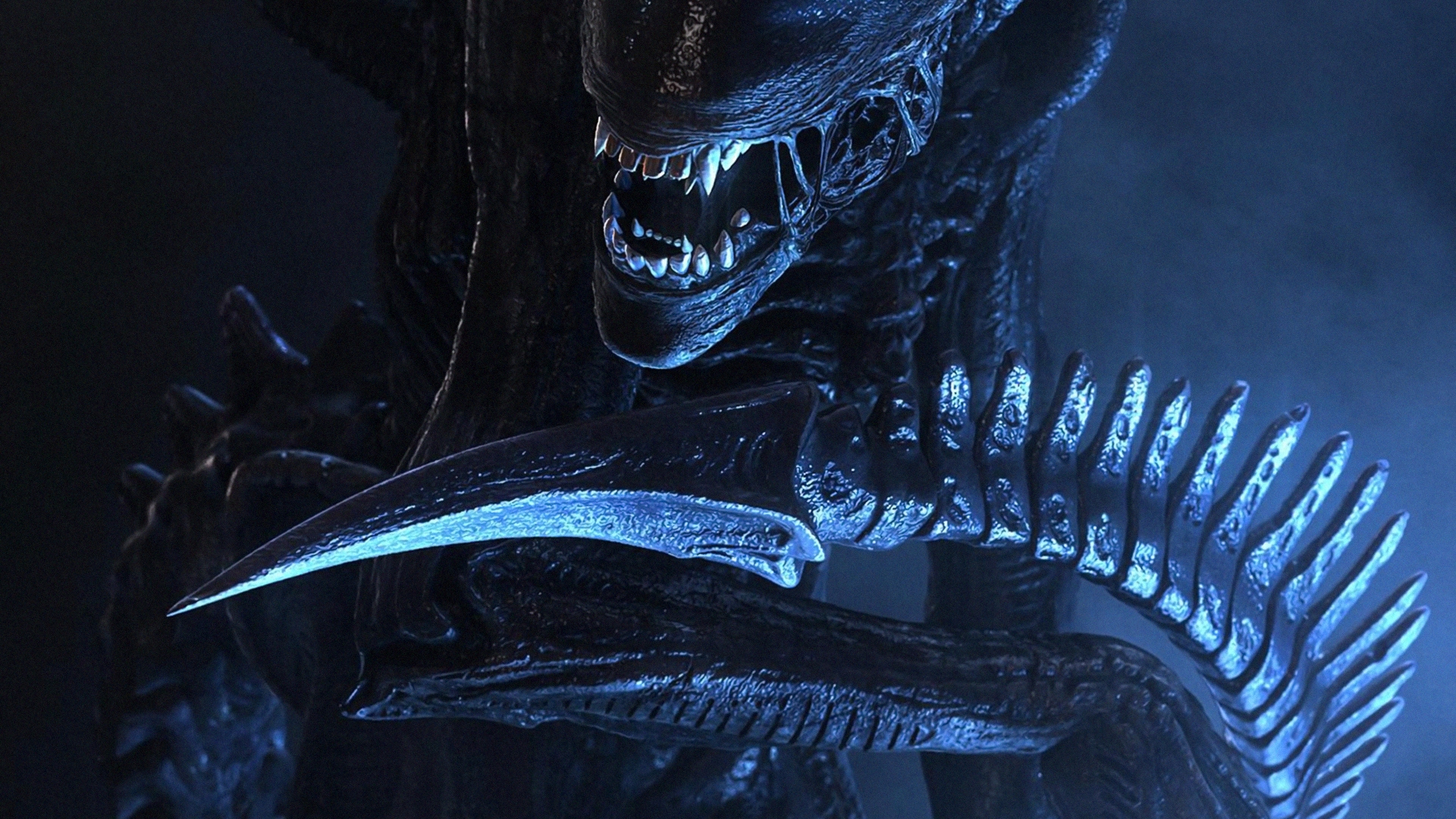
I have actually already talked about this movie at length in an article I wrote some time ago. To recap: Alien uses the isolation of space to put a superhuman antagonist against a group of unsuspecting people. Notice that this ‘superhuman’ nature of the killer is a definite recurring theme in all of these movies, as is the setting’s feeling of isolation.

The scorpion-like tail can be seen as the alien's slasher weapon.
The scorpion-like tail can be seen as the alien’s slasher weapon.

2. JAWS

Made in 1975, Jaws predates Halloween by three years. The plot of Jaws is simple: a shark terrorizes an island and the local authorities have to respond. Yet it does appear to be a regular shark, made superhuman only by the fact that it is a great white in water. The true superhuman element comes from Spielberg’s directing. The shark is presented as both an animal and a thinking opponent. There is an intelligence to it that emerges in the second half of the film. The shark may not have a ton of actual screen time, but John Williams’ score makes it a presence throughout the movie. This is no simply shark, it is a slasher.

He's either very smart or very dumb.
He’s either very smart or very dumb.

1. Willy Wonka and the Chocolate Factory

So odds are, this is the one you’ve been waiting to read about. How could Willy Wonka and the Chocolate Factory be a slasher? It’s a family film, with wonderful heart-warming sequences like:

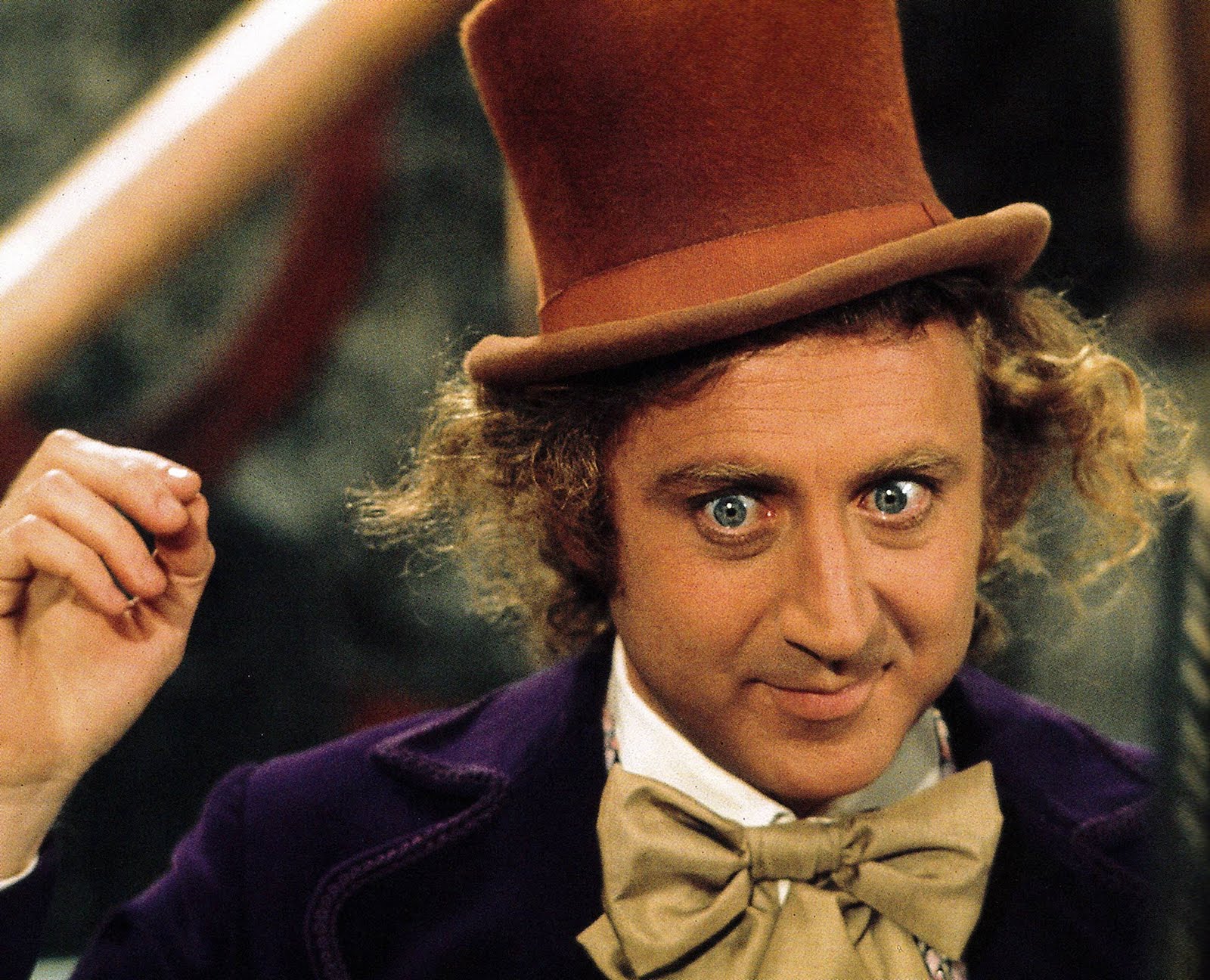
Yeah, this movie is terrifying. Willy Wonka is a superhuman individual who picks children off in his chocolate factory. The kids vanish, never to be seen again. Sure, Wonka says they are all right (and they probably are) but it does not matter. For all intents and purposes, he is murdering those kids in really over-the-top style. Willy Wonka is never clearly described as a good guy and actually, plot-wise, he functions as an antagonist of the film. Charlie must survive his challenges and pass his test.

"I knew that from then on the audience wouldn't know if I was lying or telling the truth," - Gene Wilder on Willy Wonka's old and feeble introduction
I knew that from then on the audience wouldn’t know if I was lying or telling the truth,”
– Gene Wilder on Willy Wonka’s old and feeble introduction.

Made in 1971, this is the first slasher (that I know of).

So what is a slasher? Does it even have to be a horror film or is it just a set of guidelines?

Here, let me make right now the official Red Rings of Redemption definition of a slasher movie:

“A slasher film is any movie, usually set in an isolated area, that focuses on a superhuman antagonist who preys on a comparatively high number of victims.”

There we go. I might refine that as time goes on but for now – let it stand.