The Minecraft Expectation

Well, it is over. With the 2.5 BILLION (yes, BILLION) sale of Mojang to Microsoft, Markus “Notch” Persson’s five-year relationship with his independent game phenomenon, Minecraft, has come to an end.  This essentially means that, without Notch, Microsoft paid a couple billion dollars to own Minecraft. Oh, and Scrolls too. That is insane. It showcases just how essential Microsoft believes Minecraft is to the future of gaming. Many gamers have had mixed-to-negative reactions to the purchase. Indeed, Minecraft is the most successful ‘indie’ (independently-made) video game in history. To have it swallowed up by a mammoth corporation like Microsoft is… well, we’ll see what happens. There is one person, however, who is very happy that Minecraft is now in Microsoft hands, and that is Notch:

"I’ve become a symbol. I don’t want to be a symbol, responsible for something huge that I don’t understand, that I don’t want to work on, that keeps coming back to me. I’m not an entrepreneur. I’m not a CEO. I’m a nerdy computer programmer who likes to have opinions on Twitter."
“I’ve become a symbol. I don’t want to be a symbol, responsible for something huge that I don’t understand, that I don’t want to work on, that keeps coming back to me. I’m not an entrepreneur. I’m not a CEO. I’m a nerdy computer programmer who likes to have opinions on Twitter.”

That is from a letter written by the Swedish programmer on his departure (the rest can be found here). It highlights the unrealistic expectation of Minecraft, and why we, as gamers, should try not to have ‘the Minecraft Expectation’ when it comes to games – especially indie ones. When I say the Minecraft Expectation, I refer to the supported belief that Notch was expected to keep working on Minecraft, without ever charging gamers for this additional content. This game has changed dramatically since its unveiling as a PC alpha test (earliest playable version – not technically a finished product) back in 2009. Minecraft was not even available for profit until 2011. And then it costs roughly twenty bucks to purchase. In the three years since there has been patch after patch of new and rebalanced content added to the game. And it has all been free.

New creatures, areas, and even worlds have been added since the initial release.

On the face of it, this is awesome for gamers. Nearly everyone hates paid dlc (downloadable content), especially when it feels like the retail game would be incomplete without it. What happened with Minecraft, I believe, is the opposite end of that dlc spectrum. Yes, there are games that withhold content and appear to delight in charging for every last dollar they can get from the consumer. But Notch was too nice. He had become bound to game he didn’t want to keep adding content to, and people treated him as a traitor if he even thought about doing something else.
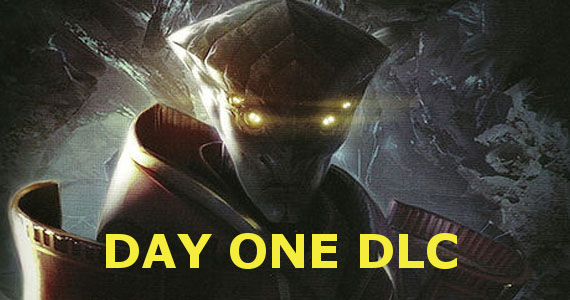
Paying for content that feels like it should have been part of the original game is never a way to build a good relationship with the gaming community.

Independent developers do not have much money to finance their projects. Some use Kickstarters and paid early access to supplement funding. The only way that Minecraft has been able to continue this level of content and support is because, well… it’s worth around 2.5 billion dollars. Is it reasonable to expect a quality, finished product for the investment – absolutely. Is it reasonable to expect continued support and patching without ever needing to pay more for said content – not really. Not unless the game is a cultural event like Minecraft. How many of those come along?

There is a good balance and I believe companies like Blizzard Entertainment do it well. They provide continued free support for their games, while at the same time releasing the occasional paid expansion pack. Their retail games never feel incomplete, like the expansion is needed. It is just a way for devoted fans to explore new content, while paying the developer’s salary.
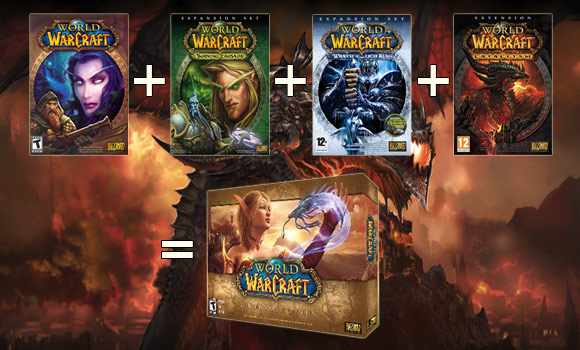
World of Warcraft is supported and expanded regularly, yet the game has also seen a wealth of retail expansions.

Yeah, games are fun. They are art, they are expression, they are a sublime form of escapism. That said, they are also part of someone’s job. As gamers, there is a responsibility to fiscally support the products we want and to reject those we don’t. At this point, no one “owes” anyone any continued support of Minecraft. If Microsoft never releases additional content and goes straight for Minecraft II, who can blame them? So long as that game is a quality experience like the first – Microsoft has held up their end of the deal as a developer.

Double Dipping: Why No Backwards Compatibility is Bad for Console Gamers

I never thought I would say this but: Sony and Microsoft could learn a lot from Nintendo… at least when it comes to backwards compatibility. True, the Big N is totally lost when anything internet-oriented enters the table (why is Mario Kart 8 the only first-party game to possess online multiplayer?) but they understand the importance of allowing players to retain the past generation of gaming. The Xbox One and PlayStation 4 are out and, at the moment, the lack of backwards compatibility does not appear to be hindering hardware sales (stopped me from buying either). Yes, this is an issue that the public appears to have deemed as not very important. That said, it does matter: no backwards compatibility is a bad for the consumers and, in the long run, it is bad for the console industry as a whole.

Nintendo is the industry leader in terms of backwards compatibility. Sony comes in second, with Microsoft trailing as an indifferent third.

When new consoles come out, it generates excitement (hype) in the consumer market. Companies need this excitement – it is what compels otherwise level-headed individuals to fork over hundreds of dollars for buggy just-released systems with no real game library to speak of. Excitement is generated by the NEW: NEW graphics, NEW gameplay, NEW experiences, NEW games. Part of that also used to mean a trade up: time to get rid of the old console and replace it with a new one. This encouraged brand loyalty as a person with a PlayStation 2, for example, could (initially) replace it by simply buying a PlayStation 3. All the old games still worked and less room was taken up on the shelf. Out with the old, in with the new.

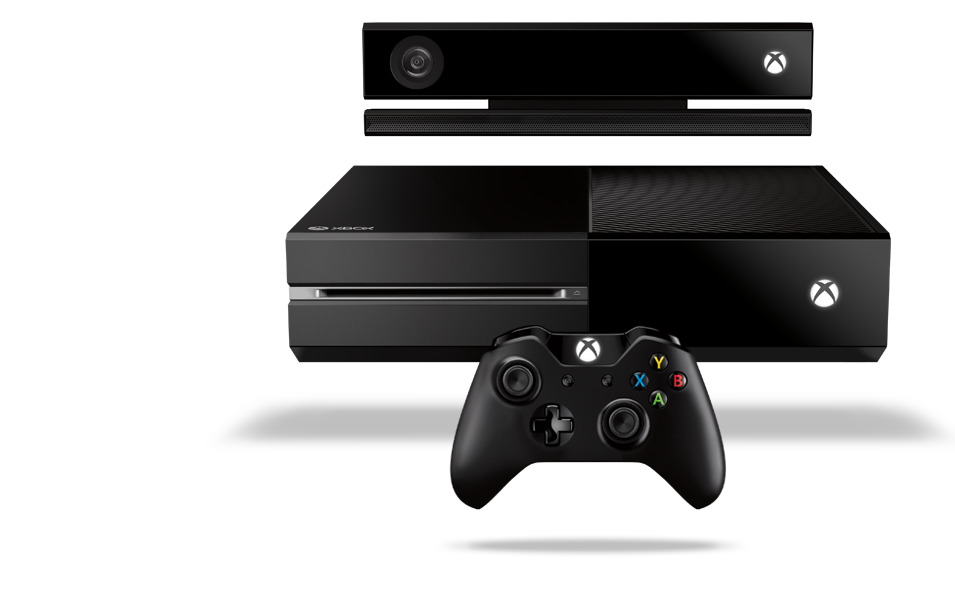
Microsoft marketed the Xbox One as the "one" device you would need in your living room. Yet it isn't even the "one" device to play all of your Microsoft games.
Microsoft marketed the Xbox One as the “one” device you would need in your living room. Yet it isn’t even the “one” device to play all of your Microsoft games.

Without backwards compatibility, brand loyalty goes out the window (in theory, fanboys are oh so devoted.. for some reason). On the face of it – this sounds like an advantage for the consumer: everyone is now free to buy the new system that best suits their needs. Really, however, this is a tiny plus compared with all the drawbacks. The advantage shrinks even further when the two systems’ specifications are compared (they are remarkably similar in every way).

So you have to buy a new system… and if you still want to play older games… you’ll have to keep your old one. Sucks for space but that’s not a huge deal. There’s still great NEW games coming out. New games like this one:

LAST1And this one:

91jwO5PCReL._SL1500_And this one…

To be fair to the Master Chief Collection: four graphically remastered games is a pretty good deal.

You see my point – there are a lot of re-releases coming out. Hey, that’s okay though as both the Xbox One and the PlayStation 4 possess killer exclusives that can’t be played anywhere else. Exclusives like Titanfall – wait, no, exclusives like Watch Dogs – nope, not that one either, exclusives like Wolfenstein… not that one. What is an exclusive for the new systems?

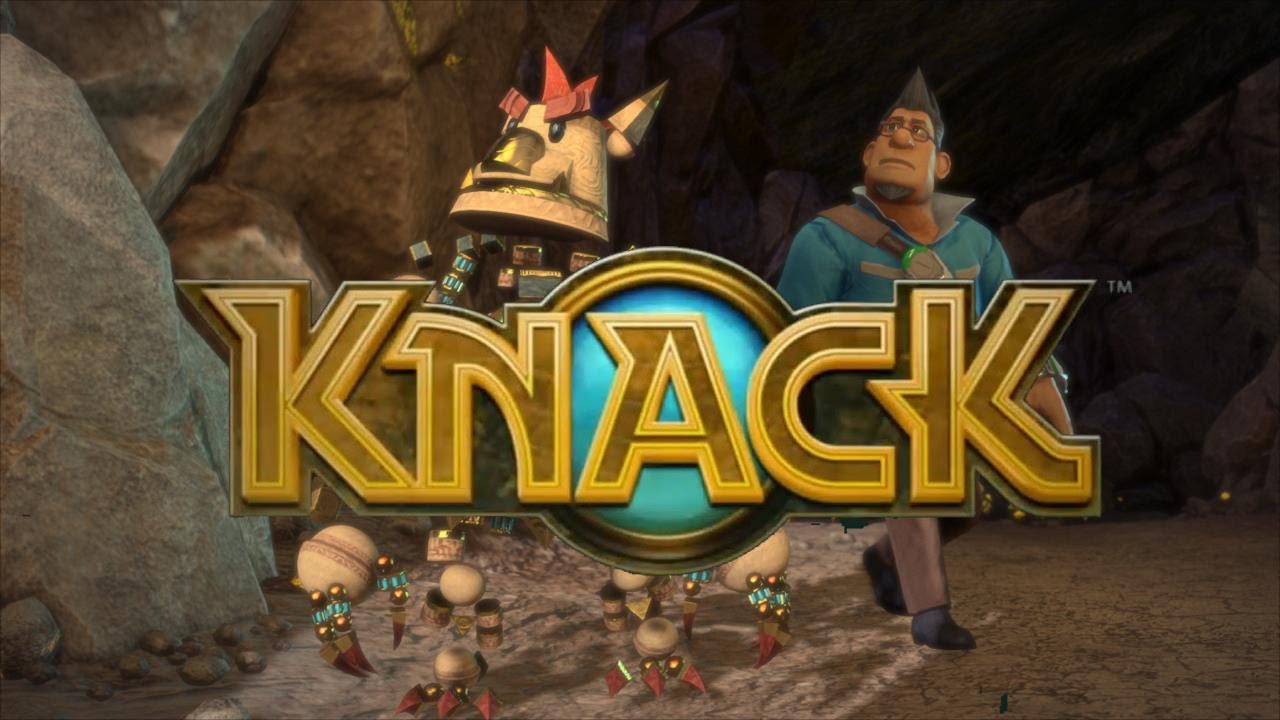
We have the critically panned Knack for the PS4.
We have the critically panned Knack for the PS4. Also Infamous: Second Son – to be fair.
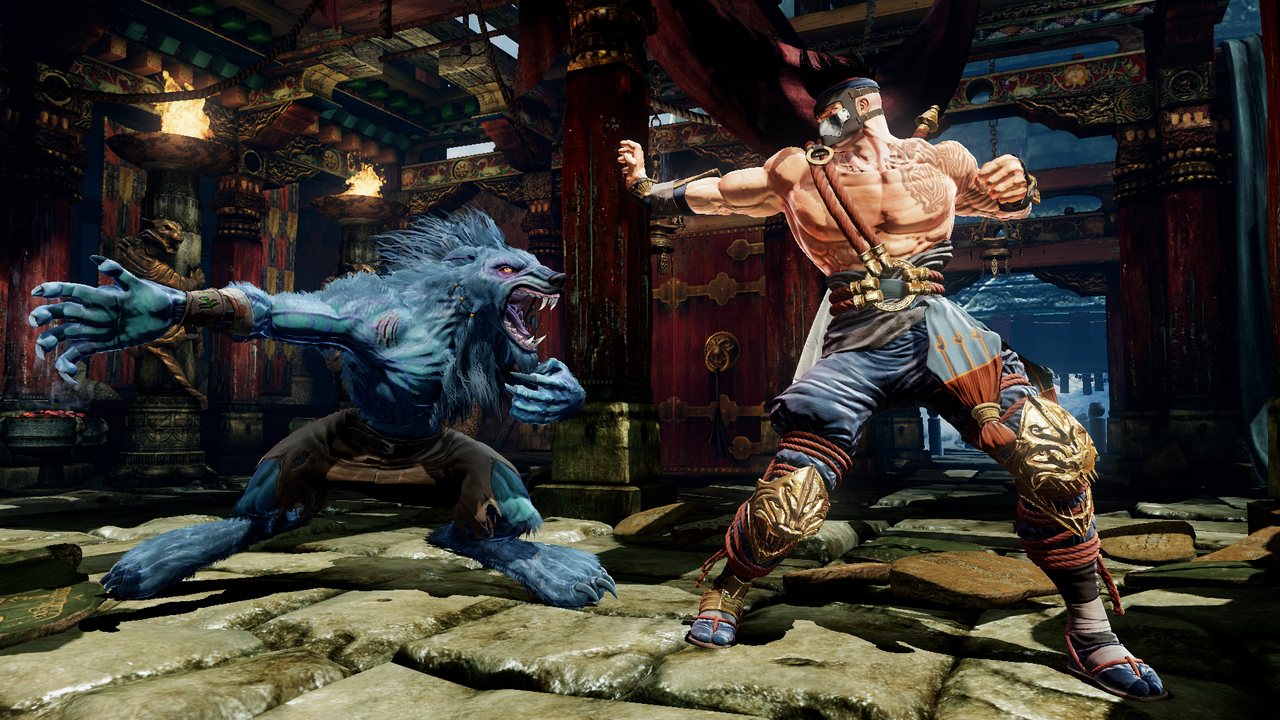
And Killer Instinct for the Xbox One... a game that will ever be part of gaming's infamous misogyny.
And Killer Instinct for the Xbox One… a game that will ever be part of gaming’s infamous misogyny.

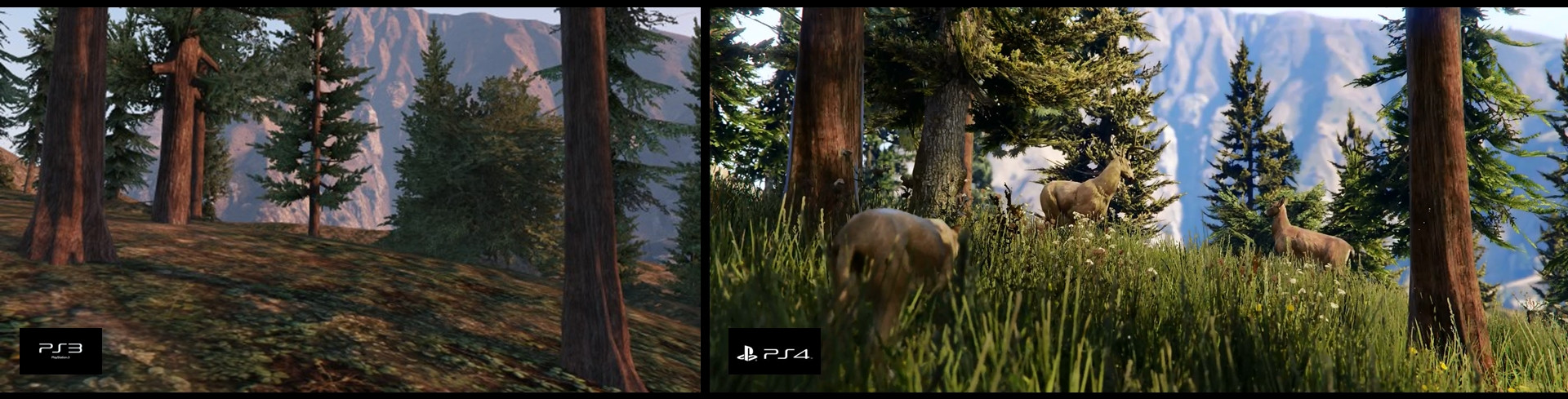
But obviously systems get more games the longer they’ve been out. This is not an article to bash the lack of exclusives. The problem with the re-releases is that they encourage double-dipping. Companies have found a way to charge $120 per game ($60 on the past-gen, $60 on the next-gen). Obviously, not every re-release is like this. To go back to Halo: the Master Chief Collection, some of those games are very old and packaging them all together is convenient for Halo fans. Let’s talk about Grand Theft Auto V though. That was one of the last great titles released for the Xbox 360 and the PlayStation 3. Now, it comes out for the next-gen with improved graphics:

Upgraded for all your Deer Hunter needs.

This game is a recent release and, while a graphical update is nice… is it really another $60 nice? I’m sure many people will answer yes, of course it is (it’s NEW after all). For everyone else – what’s the big deal, right? So idiots spend another 60 bucks, who cares? You can still play it on the old consoles… until you can’t. Remember when Microsoft shut down Xbox Live on the original Xbox? Is there any reason to think that that won’t happen again – no. It has already happened this generation with Nintendo shutting down the online services for the Wii and DS. Microsoft and Sony will eventually pull the plug on online support for their old machines. It probably won’t happen within the first year or two – but it will happen.

That is very bad for the consumer… but why is it bad for Sony and Microsoft? Well, consoles have competition from another source. You think that graphics update to Grand Theft Auto V looks nice? Well, check this out:

GTA-V-Vs-GTA-IV-PC-Version-Visual-Comparison

Consoles cannot win against PCs, at least as far as graphics are concerned. It is simply much easier to upgrade the graphics card in a computer. You know another advantage of PCs: you can play games you bought eight years ago on a new PC. In the backwards compatibility arena, computers are killing it. They have the power, the games, the gameplay.

But they’re more complicated!

Yes for now but consider this:

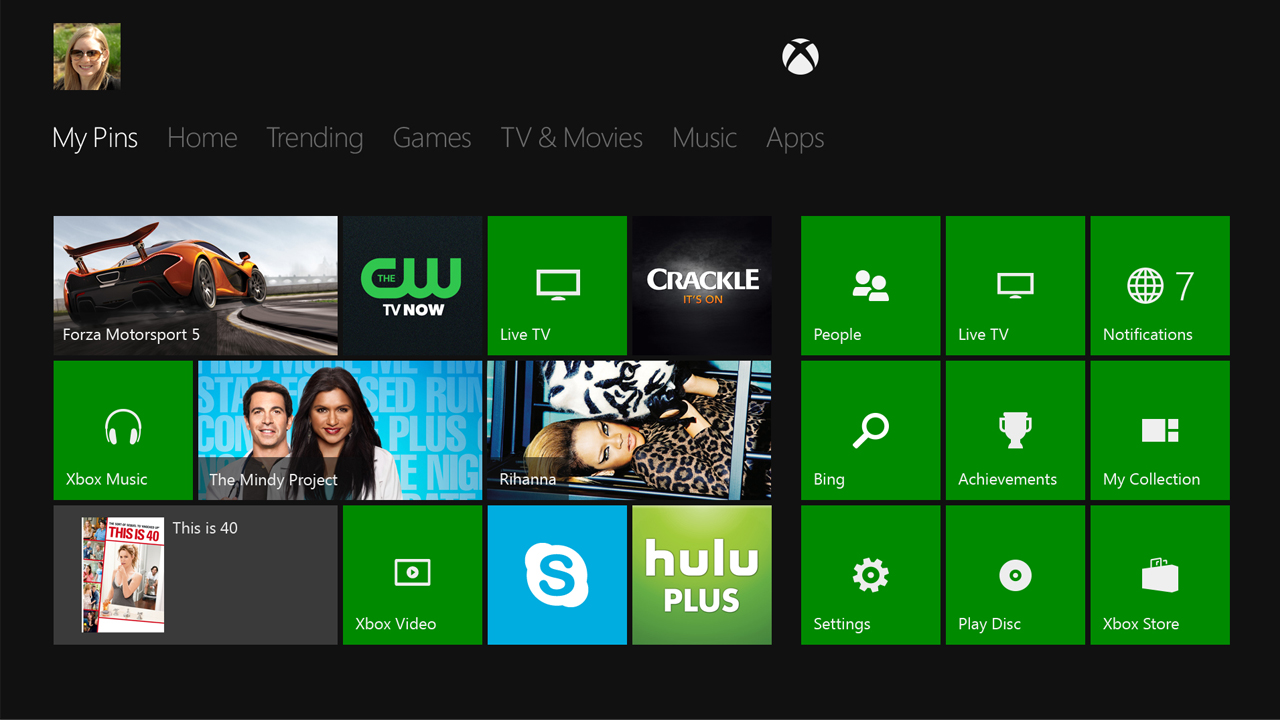
This doesn't look much more simple...
This doesn’t look much more simple…
... than this.
… than this.

Consoles are losing the advantages of being consoles, without gaining the advantages of PCs. The industry will have to adapt or die, and no backwards compatibility is a move in the wrong direction.

PC gaming giant, Valve, is poised to enter the console race. This could be the largest newcomer since Sony unveiled the PlayStation.
PC gaming giant, Valve, is poised to enter the console race. This could be the largest newcomer since Sony unveiled the original PlayStation.

The Beginning of the End for Assassin's Creed?

In the last generation of video game consoles, certain series dominated the sales charts. Halo, Call of Duty, Uncharted, Grand Theft Auto: all of these were powerhouse series that continue to push out installments at least every few years. For video game company, Ubisoft; the last generation represented a changing of the guard. Prince of Persia, a video game series once wildly popular, was dying down. Sales had diminished greatly in the last couple of games and even rebooting the series did not prolong its lifespan. For Ubisoft that meant one thing: move on. The outcome was Assassin’s Creed. If you owned an Xbox 360 or a PlayStation 3, odds are you tried out at least one of the Assassin’s Creed games. They were fun an addictive, with interesting story campaigns and competitive multiplayer experiences. Like any cash-cow: Ubisoft made a lot of them. In total (including the portables), sixteen games have been made in the series. However, as a new generation begins: the changing of the guard may be upon Ubisoft again.

Ubisoft's original wall-climbing, death-defying protagonist.
Ubisoft’s original wall-climbing, death-defying protagonist.

Let’s start with Assassin’s Creed III. Many fans of the series regard this game to be a miss-step in the series. Indeed, reviews were not overly wild when the game was released. This was also the first in the series to be released on a next-gen platform (the Wii U). However, despite the lukewarm critical reception, Assassin’s Creed III did very well for itself. It sold fast and became Ubisoft’s biggest game to date. Financially speaking: nothing to worry about. At least until Assassin’s Creed IV: Black Flag was released.

Assassin's Creed III marked a notable departure in both time period and setting. Ambition was not lacking in this game.
Assassin’s Creed III marked a notable departure in both time period and setting. Ambition was not lacking in this game.

Where Assassin’s Creed III was determined a step back, Black Flag triumphed; being mentioned on multiple lists for “Best Game of the Year“. It was released on two more platforms than its predecessor as the Xbox One and PlayStation 4 were released in time to receive ports. Critical reception went up, platform count went up: sales went way down. 60% down according to initial estimates. Assassin’s Creed IV: Black Flag did not have the quick start that Assassin’s Creed III enjoyed. The game has not flopped: selling 10 millions units since its release. That is impressive but down 2 million from what Assassin’s Creed III sold in the same time frame.

Assassin's Creed IV: Black Flag continues to mess with the formula. However, gameplay remains largely unchanged.
Assassin’s Creed IV: Black Flag continues to mess with the formula. However, gameplay remains largely unchanged.

What does this mean for the franchise? Nothing… yet. Ubisoft blamed poor sales on the incoming consoles. Ubisoft’s CEO, Yves Guillemot, felt that the initial slow start was caused by people waiting to purchase the game on new consoles. Consoles that, in many homes, likely weren’t entering the picture until Christmas. True, Black Flag was not the only major game to hit this slump. Call of Duty: Ghosts and Battlefield 4 were also affected. However, Call of Duty: Ghosts received less than overwhelming reviews and Battlefield 4 had significant technical issues. This was not the case with Assassin’s Creed IV: Black Flag.

New consoles: bad for business in the short term, but essential for innovation.

Ubisoft may be facing another problem: fans might just not care as much as they once did. Assassin’s Creed III enjoyed quick sales… but those sales came mostly from pre-orders (people feeling confident spending $60 on a game before hearing any critical feedback… you know, morons). How many of those games were sold back in less than a week or only played for a few minutes before being banished to the shelf? Ubisoft doesn’t care about those numbers because they don’t reflect the bottom line. They made their money: the product was profitable.

Sixteen games is a lot for any series. Granted, ten of those are not associated with the major releases so let’s just say six. There have been six major releases for Assassin’s Creed in the past six years: that’s a lot. That is Madden like levels of production. Eventually fans will say: is a new one worth $60? They may have already started. How many unique, worthwhile, assassin adventures are out there? If Ubisoft is producing a title every year (not leaving much time for experimentation) are these games really so different from one another?

Every series can only survive for so long.

Ubisoft has spoken of ending the series, before backtracking on their statements. It is unclear just what higher plans, if any, they have. That must lead one to think that there is only one bottom line: money. For as long as Assassin’s Creed is profitable, there will be new games. That time might just be running out.

Assassin's Creed will expand to the cinema next year.
Assassin’s Creed will expand to the cinema next year.