Hey Disney, why were your Female Villains so much more Emotive than your Heroines?

Let me say this right up front: I am not accusing Walt Disney Animation of being sexist in the present day, not with this article at least. Instead, let us look to that happy period of between 1937-1959. Here it was possible to do a story like Cinderella, a tale of a woman being abused and denied any real right to exist until she marries a man, and people’s only reaction was “that’s outrageous! Mice can’t talk!”

Thankfully times have changed.

This article is going to examine an interesting discrepancy I noticed when re-watching these films (namely Snow White and the Seven Dwarves, Cinderella, Alice in Wonderland, Peter Pan, and Sleeping Beauty). All of these films feature female characters in multiple roles. Specifically, in each film there is a positive woman character and a negative one. I’m stretching a bit for Tinkerbell but there you go. Let’s look at the levels of animation involved bringing their expressions to life, shall we?

Snow White and the Seven Dwarves

The first, the very first animated film done by Walt Disney and company: way back in 1937. For this film, there was no precedent, no manner to be like “just animate it like we did the one before.” So, they experimented, using a technique called rotoscoping for some of the animation. For those out there who don’t know, rotoscoping is essentially tracing the animation over preexisting live action footage. Specifically animator Grim Natwick used this technique for certain scenes involving Snow White. That helps explain how images like this exist:

Rotoscoping was called painting on film. It certainly leaves that effect.

It is worth noting that Natwick made his claim to fame by animating Betty Boop. So really, anyone who looks back at Snow White being like, “hmmm she seems kinda doe-eyed”

You don't say?
You don’t say?

Anyway, it is worth noting that his style of animation was not used for every character. Art Babbit was the man placed in charge of animating the Evil Queen. (also known as Grimhilde). Let’s see how successful his animation was at bringing a character to life:
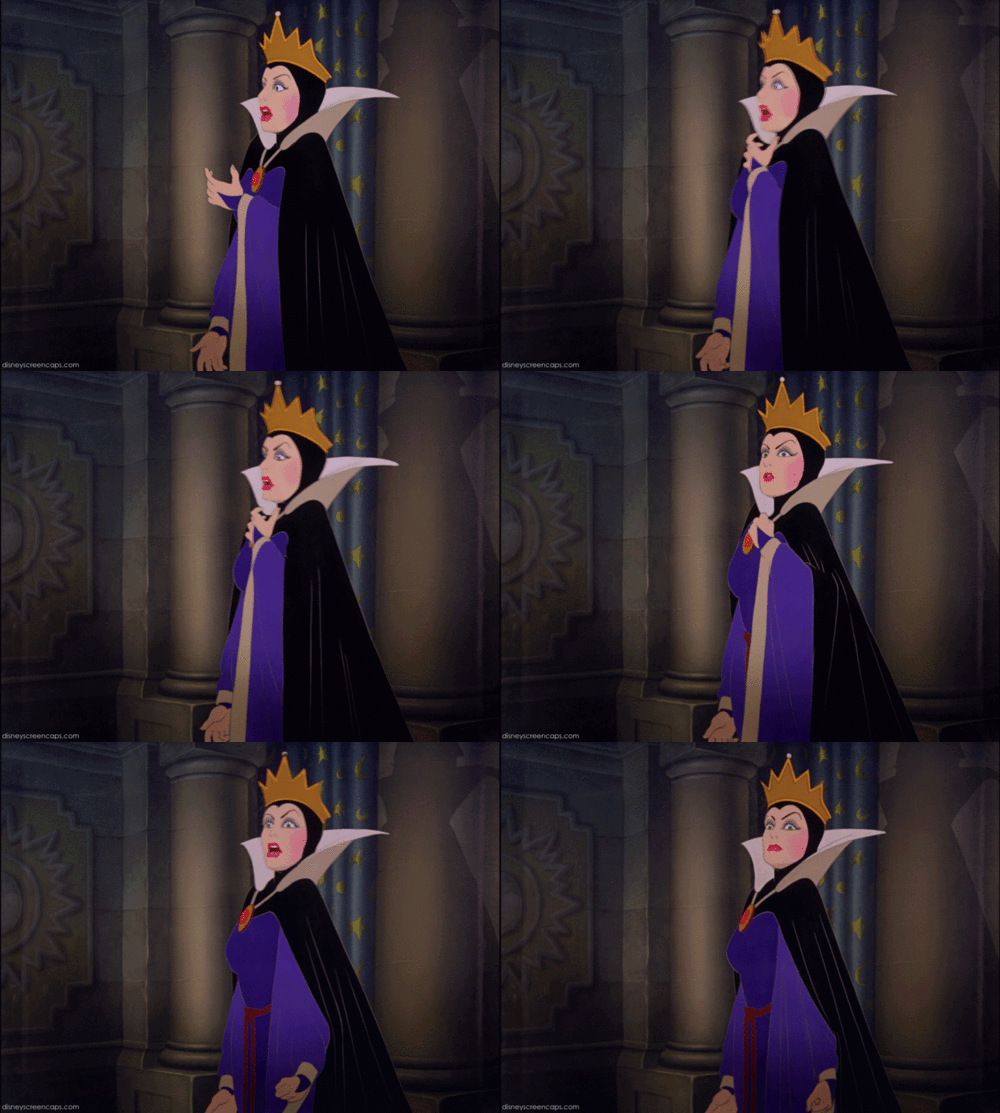
A simple animation but it proves a point. Grimhilde (in both her forms) offers much more in the way of emotion than does Snow White. This could be chalked up to the restrictive use of rotoscoping (a process that is only restrictive in price) but… let’s look elsewhere.

Cinderella

Fast-forward to 1950 and times have changed. Walt Disney Animation was no longer a brand new company new to the art of animation. No doubt the characters benefited greatly from this increased knowledge and experience. Let’s look at the titular character:

Okay this must be happy.

Cool, one emotion down, what else she got?

Good, surpise! What else?

Surely there are many other forms of emotion she includes. After all, she is the main character of the movie. Surely those aren’t the two primary… oh they are?

The weird combo of the two.

Cinderella does not do much besides smile and look pretty in her film. It took two people (Marc Davis and Eric Larson) to animate and… yeah, she smiles or cries – really only crying in one scene. It is worth pointing out that Davis also was involved in animating Snow White, another character who… smiled and cried a lot. Well, okay Frank Thomas had Lady Tremaine (the evil stepmother), let’s see what he did:

Disgust.
Disgust.
Shock.
Shock.
Incredible smugness.

Starting to see what I’m driving at? Disney had their villains showing off a lot wider range of emotions. Cinderella is the good guy, so she never looks mischievous. Why is it that Lady Tremaine gets to showcase more emotion? Let’s look at one more. I know I mentioned five movies in the beginning but the repetitiveness of this is getting to me. Plus it’s my blog so I can do what I want.

Sleeping Beauty

Nine years after Cinderella, and of course I have to mention this one. SPOILERS! Here is the face that Princess Aurora makes throughout most of the movie:

You thought I was going to show her sleeping, didn't you?
You thought I was going to show her sleeping, didn’t you?

Yes, when she isn’t in a magically induced coma, Aurora is wearing a smile across her lips. Literally, it is the first and only emotion she forms after waking up. Someone needed to tell Marc Davis (who else) that “good” women did occasionally make different expressions. They enjoy the same freedom as their “evil” counterparts.

Case in point.

Of course, what I’m ultimately trying to say is nothing new. I don’t think any of the animators I just mentioned were outright openly sexist, but this was the norm of the day. Again, thankfully times have changed. It is very interesting to note that Ariel was the first (grown) female protagonist in a Disney animated film to really break this mold. That is kinda sad for two reasons. One: that film was released in 1989. Two: have you really examined the plot and lessons that movie is teaching? Oh well, at least it was better from an animation standpoint. Since then, Disney hasn’t been doing many films that feature both a female protagonist and villain, so it is tough to say.

The most recent attempt at this was Frozen, and script changes stopped Elsa from being the bad guy. Instead audiences were treated to this.

Yay progress!

Talking Down to Children: a Look at Family-Friendly Dinosaur Cinema

Dinosaurs are awesome. From their initial scientific discovery back in 1824, dinosaurs have captivated human imagination. The idea of an entirely different ecosystem, filled with fantastic creatures, that lasted millions of years has rightly secured a place in our collective cultural imagination. Dinosaurs lived on Earth, they were real. Yet somehow their world was almost completely alien. It is only natural that such creatures occupy a place in cinema as well, one of the few ways dinosaurs can actually still “come to life.” Yet when they are reborn, just how glorious is it? This article will look at three of the more major family-oriented dinosaur films over the past thirty years. Cinema has presented the complex world of the dinosaurs as brutal, harsh, and in some cases completely childish.

1. The Land Before Time (1988)

Oh course if we’re talking kid-friendly dinosaurs, we gotta talk Littlefoot and The Land Before Time. Steven Spielberg came up for the idea of this film, and he and his collaborator George Lucas had an interesting idea: no talking. Like Fantasia, The Land Before Time was originally envisioned as a silent film with no strong plot to drive it forward. Instead, it would simply tell the story of five young dinosaurs growing up. An interesting idea but Universal felt the film needed more appeal. Dialogue was added to help the audience relate to the characters and the dinosaurs were anthropomorphized (given human characteristics) to make them relatable. Did this detract from the science of the film, of course. Yet I highlight Land Before Time as an example of pandering done right. Was the film made more kid-friendly: yes, but that did not stop it from portraying the tragic nature of survival:

Now obviously the science in The Land Before Time is woefully outdated today, but at the time this was really well done. The decision to make the film easier to follow did not cripple it, or take away from its educational aspects. Let’s move on:

2. Dinosaur (2000)

Ready for déjà vu? When Dinosaur was first conceived, it was going to be a harsh story set at the end of the dinosaur era, with no dialogue. Instead of Universal, Disney CEO Michael Eisner was the one to make the call to make the film lighter and to add dialogue. Did lightning strike twice, as with The Land Before Time? It did not. Sadly Dinosaur became a very generic story with ideas and plot basically carbon-copied from the Land Before Time. The Great Valley became the Nesting Grounds, Sharptooth became a Carnotaurus, Littlefoot’s band of friends got replaced with another band of less interesting friends… the movie thoroughly existed without braving anything new. What makes it worse is that the science was lacking this time around. Not trusting its saurian stars, Disney added present-day lemurs to the cast. Bizarre. The initial trailer revealing Dinosaur‘s visual splendor remains the highlight of this theatrical endeavor:

An intriguing idea that turned into just another movie. Still, it can get worse.

3.Walking With Dinosaurs (2013)

When Walking with Dinosaurs first debuted as a show in 1999, it was heralded as a state-of-the-art dinosaur experience. For any out there curious to learn about the world before our own, this show was a good start. Fast-forward fourteen years… and you’re better off going with the show. Walking with Dinosaurs 3D is as brainless as its name sounds. Starting off as (say it with me now) a film with no dialogue, Studio interference once again turned the tale kid-friendly. This time, however, it appears that production was further along. All the dialogue is merely “thoughts” meaning that there is no animation for the dinosaurs speaking. This was supposedly done to keep it accurate, but my title was inspired from this movie. Talk about taking out intelligence with the lame excuse of “it’s for kids.” Which kids, I wonder? I do not think of myself as a child prodigy, but if I saw this film at six… I am pretty sure I still would have found it dumb. Using a name that brings to mind intelligence (courtesy of the original series) Walking with Dinosaurs has maybe one or two nuggets of education within its short (but still too long) 88 minute run time. Couple with that, this was a film made in 2013. Our understanding of dinosaurs has changed drastically in the past twenty years and Walking with Dinosaurs reflects none of that.

There are cool visuals to be had. It is a pity that there are more poop jokes than facts, however. For the kids. You know... cause poop is more important.
There are cool visuals to be had. It is a pity that there are more poop jokes than facts. For the kids. You know… cause poop is more important.

There is a definite pattern here. It seems like no theatrical dinosaur movie will ever see the light of day without first being tailored down for audiences. Is this overly tragic: not really since the information can be found elsewhere. It is simply said that “for the children” is used as an excuse to make things dumber. Oh it is for the next generation? Yeah, they don’t need to know facts.

The other trouble is that the (currently known) world of dinosaurs is more fascinating than Hollywood makes it out to be. These creatures probably never even looked like the giant lizards we see on-screen, but that is how we still see them. Maybe the future will hold a smart dinosaur film that is “for adults”…

Then again, maybe not.

Where did the Muppet Love Go?

2011: The Muppets hits theaters. Critics are overjoyed, with some people calling it one of the best films of the year. Jason Segel, who wrote and starred in the film, accomplished his dream project. A $45 million dollar film that grossed over $165 million and became a critical darling. The Muppets was so successful that a sequel was immediately rushed into production. Fast-forward three years and…

Muppets Most Wanted grosses a paltry (by Hollywood standard) $78 million. An achievement made even more disappointing given the film’s additional $5 million budget. So… what happened? Where did all the Muppet love go?

More like Muppets Least Wanted, HAHAHA... I'm so clever.
More like Muppets Least Wanted, HAHAHA… I’m so clever.

At first glance, the answer appears obvious: critical reception. I mean, who didn’t hear about how good The Muppets was when it came out? I can remember the film being considerably hyped, I also cannot recall another film in the franchise ever earning that much critical praise. When Most Wanted hit screens, the review buzz was slightly different. “Worse than the first,” “a step down;” these were some of the common complaints. I can only speak personally, but I know my excitement dwindled when I heard that reaction.

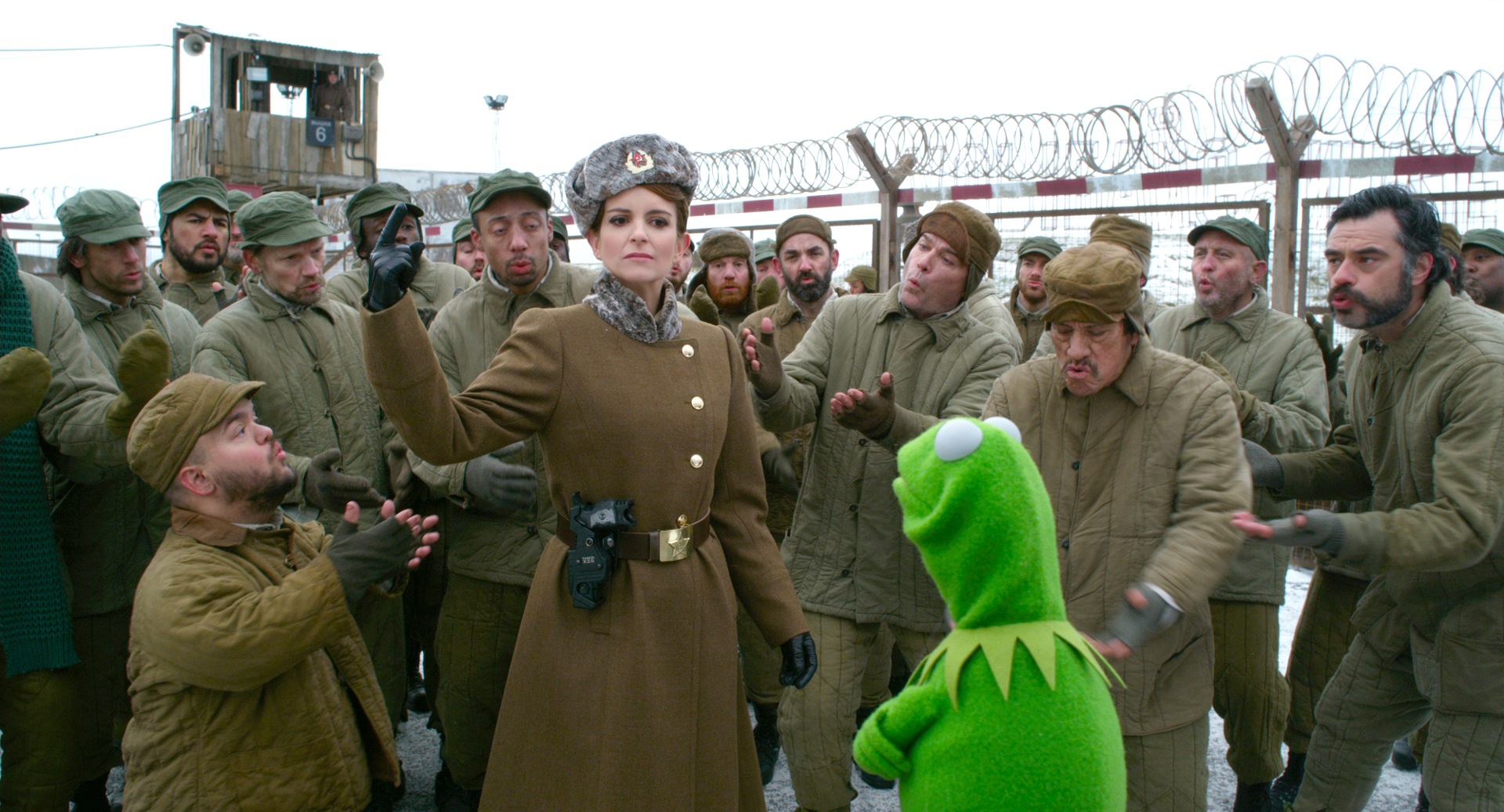
Weak human subplots was a common (and fair) criticism of the new movie.

Yet how differently were these films really received? Rotten Tomatoes points to the largest discrepancy. The Muppets earned a whopping 96% while Muppets Most Wanted managed only a 79%. That is a large drop… but 79% still is far from terrible. Yet on other critical scales, the gap was far smaller. IMDB rankings give The Muppets a 7.2 and Muppets Most Wanted a 6.5. Likewise, Metacritic scored The Muppets at 75 and Muppets Most Wanted at 61. Yes, there is a drop in all three cases but not as drastic as Rotten Tomatoes suggests.

Therein may lie the answer.

Was the return of these three really as beloved as Rotten Tomatoes would have their readers believe?

Rotten Tomatoes is by far one of the most popular movie review sites on the web. Yet the system they use is very simple: a movie is either fresh or rotten, reviews are sorted as either good or bad. This allows for a skewing of numbers. If a large number of critics think a movie is just “good” (not great, not anything special), the movie will appear more highly rated than it really is. Likewise if the majority of critics declare a film “mediocre,” the score will reflect more negatively. Rotten Tomatoes actually also uses a system very similar to Metacritic, but hides the number under the “Average Rating” heading, located in small print under the overall score.

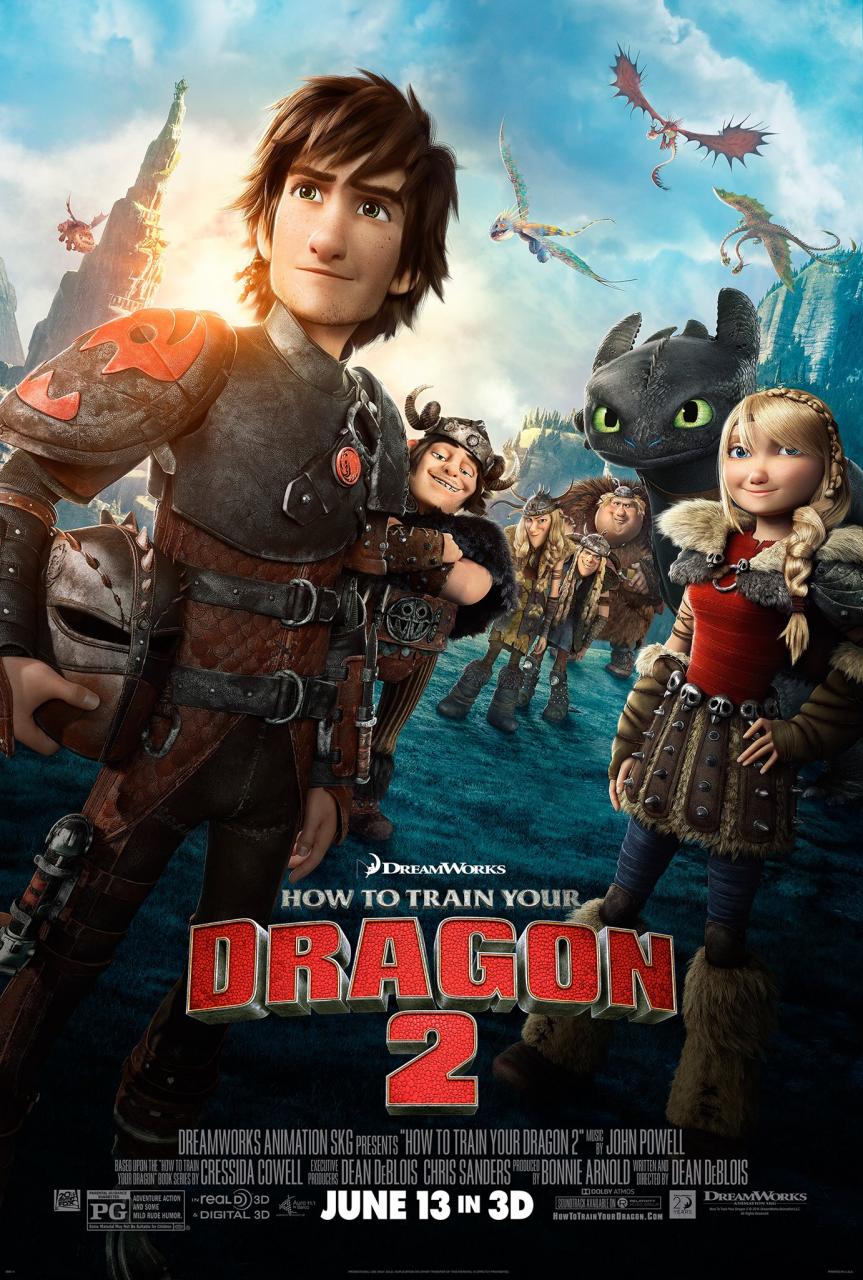
Perfect recent example: How to Train Your Dragon 2, a 92% on Rotten Tomatoes... with an average score of 7.7.
Perfect recent example: How to Train Your Dragon 2, a 92% on Rotten Tomatoes… with an average rating of 7.7.

So good movies can appear great… or not so great. Certainly it explains the difference in the two numbers and could contribute to another huge factor concerning why Muppets Most Wanted so underperformed: a lot of people (myself included) felt that the 2011 film was overrated. Not terrible by any stretch but this was, according to Rotten Tomatoes, supposed to be the highest rated film of the year. That is a huge expectation to live up to.

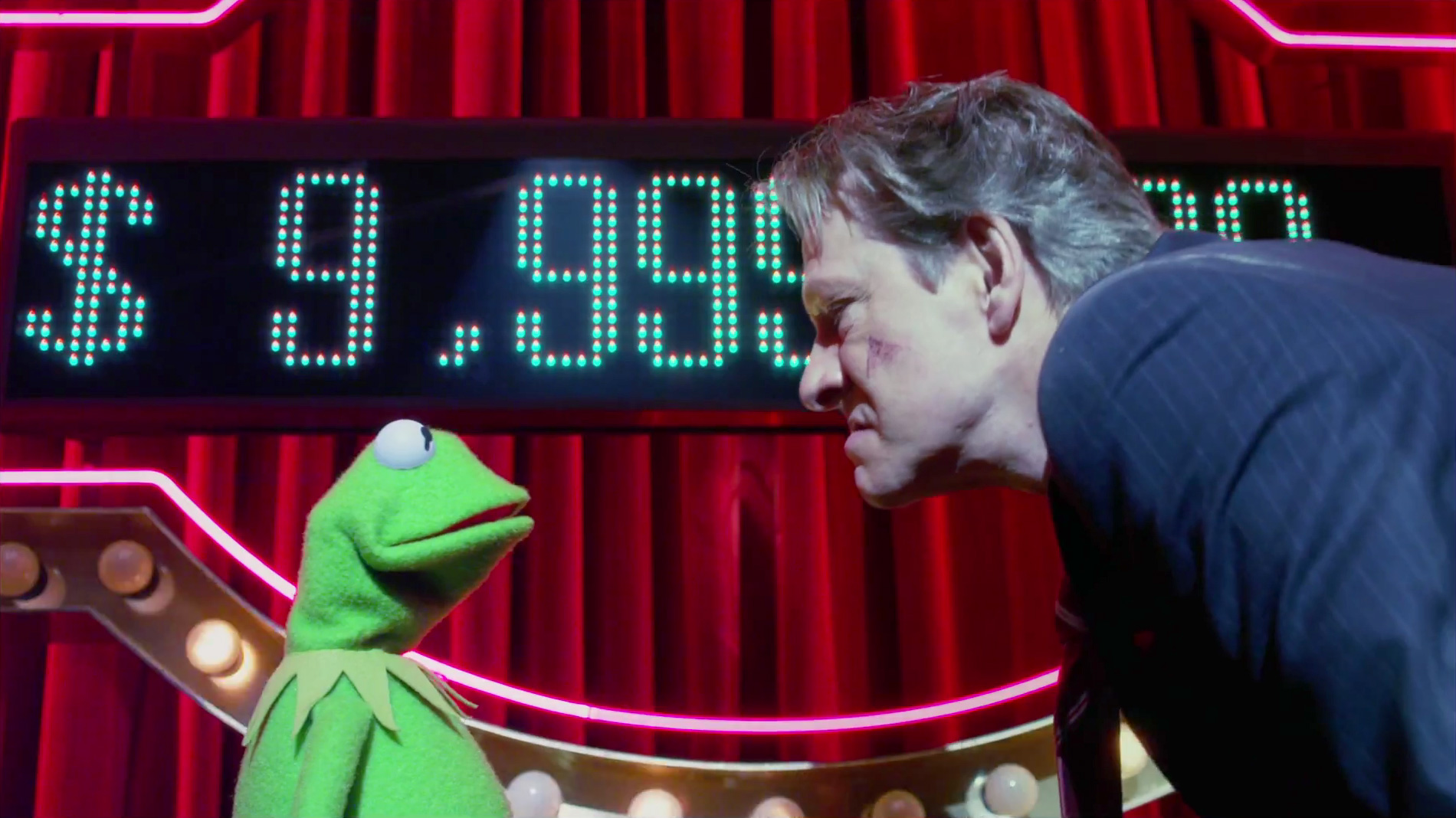
Chris Cooper giving The Muppets a rarely seen skeptical eye.

The Muppets was a good film, but far from perfect. Legitimate criticisms existed and many people felt that it was too praised. When Muppets Most Wanted came out, it is a good bet that at least a few critics were venting frustration at just how talked about The Muppets became. With something as subjective as film review, it is very difficult to say but I can say that, when I finally watched Muppets Most Wanted: I enjoyed the film more than I was expecting. While overall I would call it worse than its predecessor (overlong and slow in places), the film had superiority over the 2011 film in several areas.

Ricky Gervais just can't bring 'em in like Jason Segel.
Ricky Gervais just can’t bring ’em in like Jason Segel.

Most notably: the Muppets. There was a lot more Muppet action going on in this film. Gone were Jason Segel and Amy Adams, the stars were only the Muppets themselves (along with Ricky Gervais and Tina Fey in supporting roles). Not as much star power sure, but shouldn’t a Muppet movie be about the Muppets first? That would be like making a Transformers movie that was more about the people than the robots…

The plot is simple (maybe too simple for the runtime) but the jokes are funny. Anyone who likes the Muppets will not be disappointed, and those looking for good family entertainment could do far worse. Yet, for probably no singular reason, the Muppets’ future is again uncertain. What happened to that nostalgic love so present in the 2011 film? Did it evaporate so quickly? Maybe it really, truly, is not that easy… being green.

One can do far worse when looking for Muppets entertainment.