The Sad Ending to the Avatar Universe

No, I’m not talking about anything having to do with James Cameron.

The sequel series to Avatar: the Last Airbender ended last month. The Legend of Korra enjoyed a finale that many critics and fans loved, with some calling it “the best series finale of 2014.” For my part, I initially was not a big fan of Korra‘s final episode. While I liked the events of the finale, the – everything that happened – portion of it, I was disappointed in the ‘how.’ It just all felt rushed. From the two-minute “forgive me ’cause I’m an orphan” speech by Kuvira to the sudden and controversial final moments between Korra and Asami, I walked away feeling like the season could have really used another episode to explain and flush out the resolution.
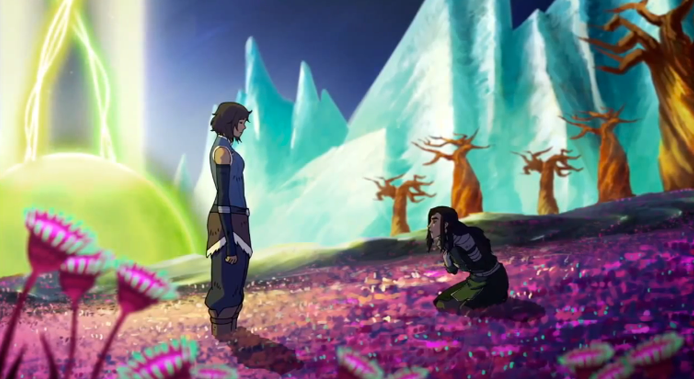
We get it Kuvira, you did not have a great childhood. That really does not justify your basically being Hitler this season.

I actually began writing a post that was dedicated to exploring the resolutions in “The Last Stand,” but my research compelled me to drop it (at least for now). The reality is that something far sadder than a series finale occurred last month. This very likely is the end of the Avatar universe, at least as far as creators Bryan Konietzko and Michael Dante DiMartino are concerned.
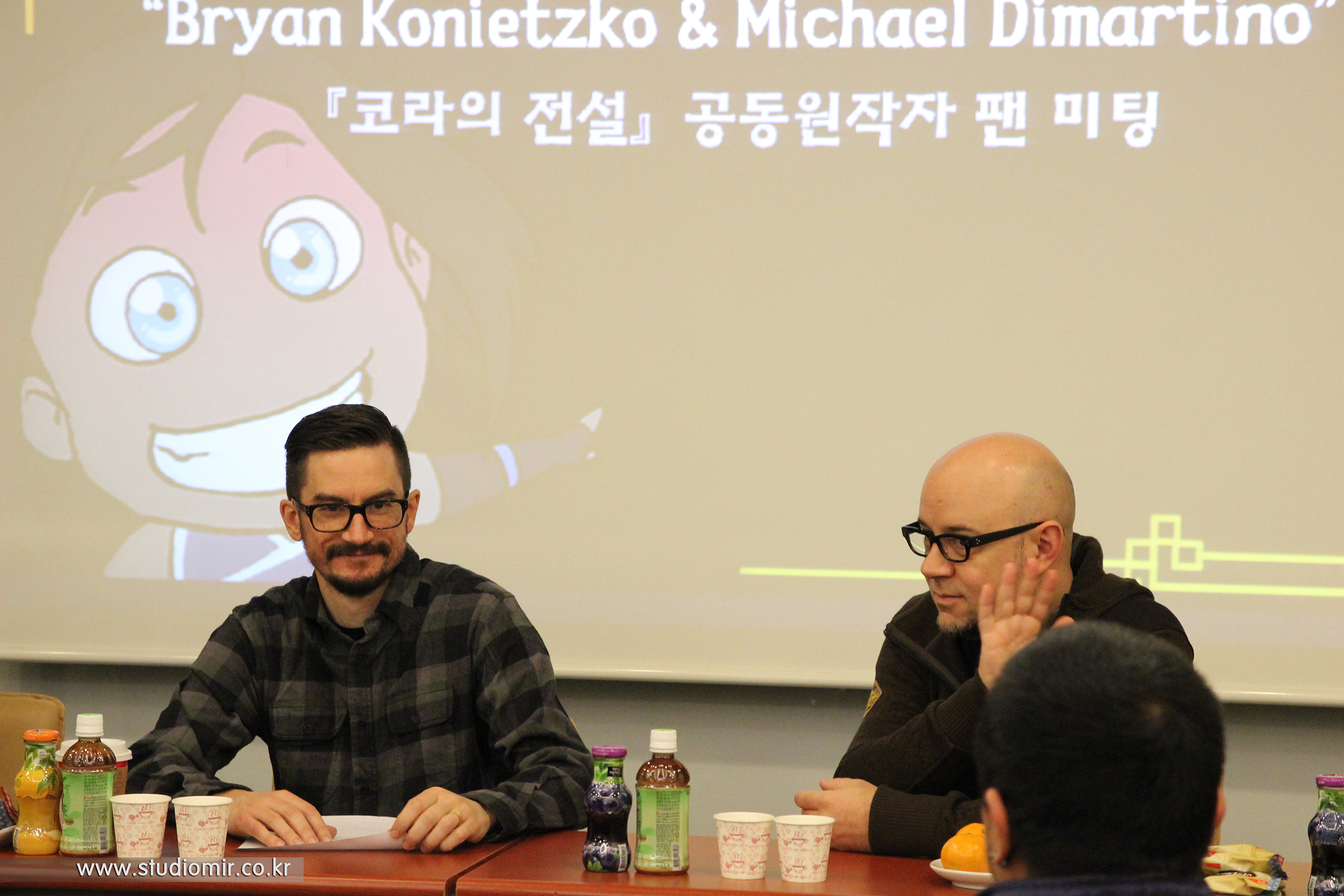
The two masterminds behind the Avatar universe.

There is a reason that season four of The Legend of Korra feels like it is missing an episode. It is.

After the immensely poorly handled fiasco that was season three, Nickelodeon felt compelled to interfere again with Legend of Korra. The show’s numbers had evidently fallen (surprise, surprise; when you yank season three off the air halfway through the season and then release season four a month later with little promotion). Nickelodeon must have been losing too much profit for their liking, so they responded by slashing Korra‘s animation budget.

Konietzko and DiMartino apparently received an ultimatum: lose an episode or some of their staff would be let go. Rather than firing anyone, the two came up with a compromise: a clip-show style episode that heavily reused animation. Nickelodeon got to save on costs, no one lost their jobs, and the series did not have to completely lose an episode…

Even Varrick's hilarity could not save Remembrances from feeling really useless.
Even Varrick’s hilarity could not save “Remembrances” from feeling really useless.

Well, they still did. While “Remembrances” (as the clip-episode came to be called) is not in itself completely terrible, it is by far the worst episode of both series. Simply put: not enough happens in it. It is hard, however, to be overtly critical knowing the limitations that were faced. Nothing could happen in this episode, they did not have the money.

This means that Legend of Korra, an extremely fast-paced and tightly written story, lost twenty minutes of storytelling. Audiences can only imagine what the original, uncut, season four storyline might have looked like. Talk about treating one of your highest rated programs with complete disrespect. That would be like if HBO cut Game of Thrones set budget.
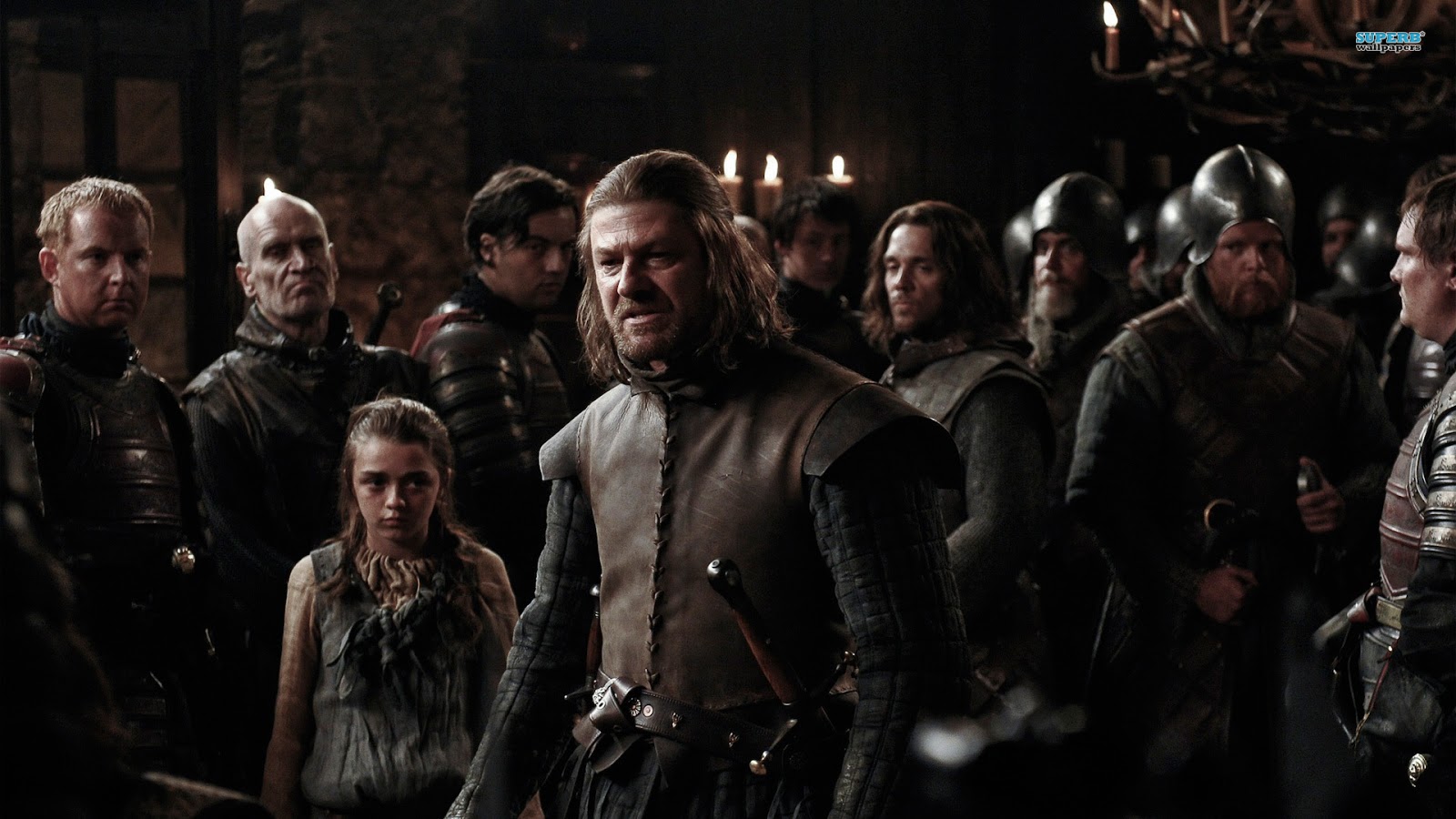
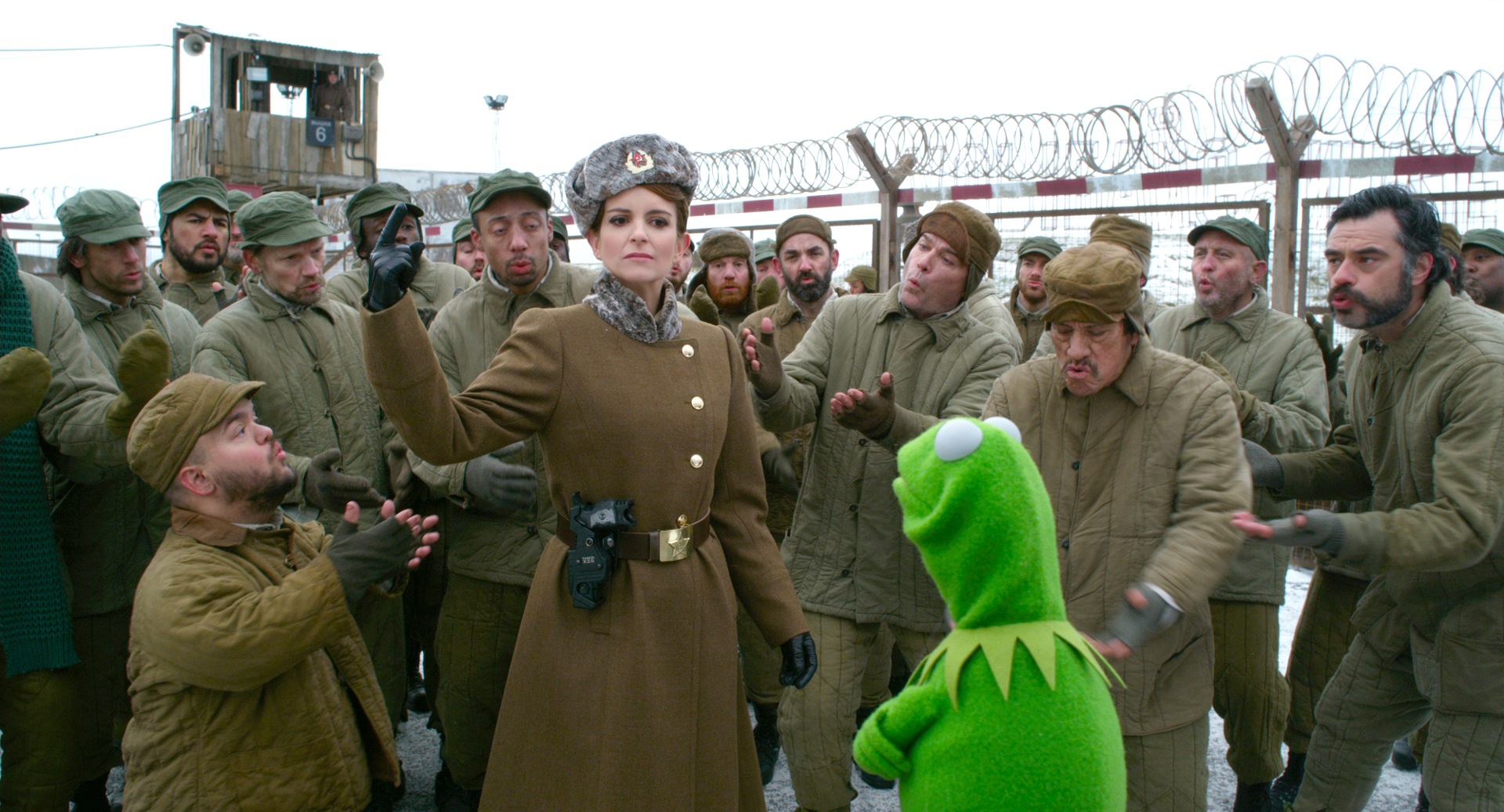
Do you really need all those extras? Do they need to be wearing armor?

As if the mishandling of season three and the mistreatment of season four weren’t enough interference, Nickelodeon was apparently very limiting in another aspect of the show:
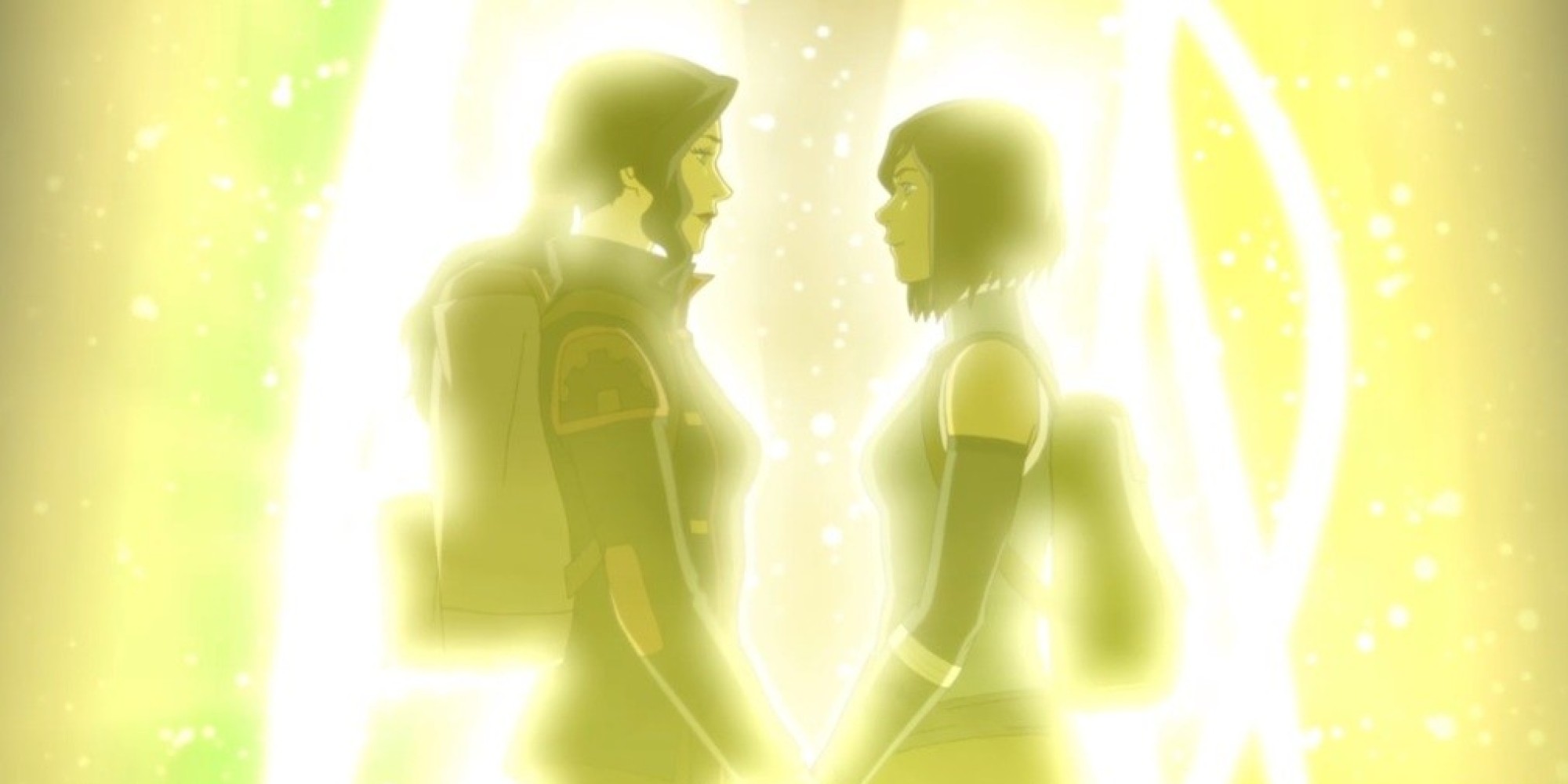
They're bisexual - you gotta deal with it.
They’re bisexual – you gotta deal with it.

Yes, it turns out that (spoilers) bisexuality is not an identity that Nickelodeon promotes. In his comments addressing the show’s ending, Konietzko handled it as politely and publicly correct as possible: “while they were supportive there was a limit to how far we could go with it.” That’s the nicest way possible of saying they were restrictive. If you are at a table with someone who has cookies and you ask for a cookie, they can be as nice as they want… while still not giving you the cookie. They can support your decision to want a cookie til the cows come home but you’re still hungry at the end of the day.

What is more troubling is the timing of Nickelodeon’s mishandling of the series. Reading the creators words on the dubbed “Korrasami” relationship (isn’t the internet just so clever?), it becomes clear that the idea of the two having a romantic relationship become much more concrete after season two. Seasons three and four were meant to be the set-up. Hmmm, now what two seasons did Nickelodeon really interfere with? I am not accusing the corporation of homophobia, but it is a little unsettling to have these timelines line up.
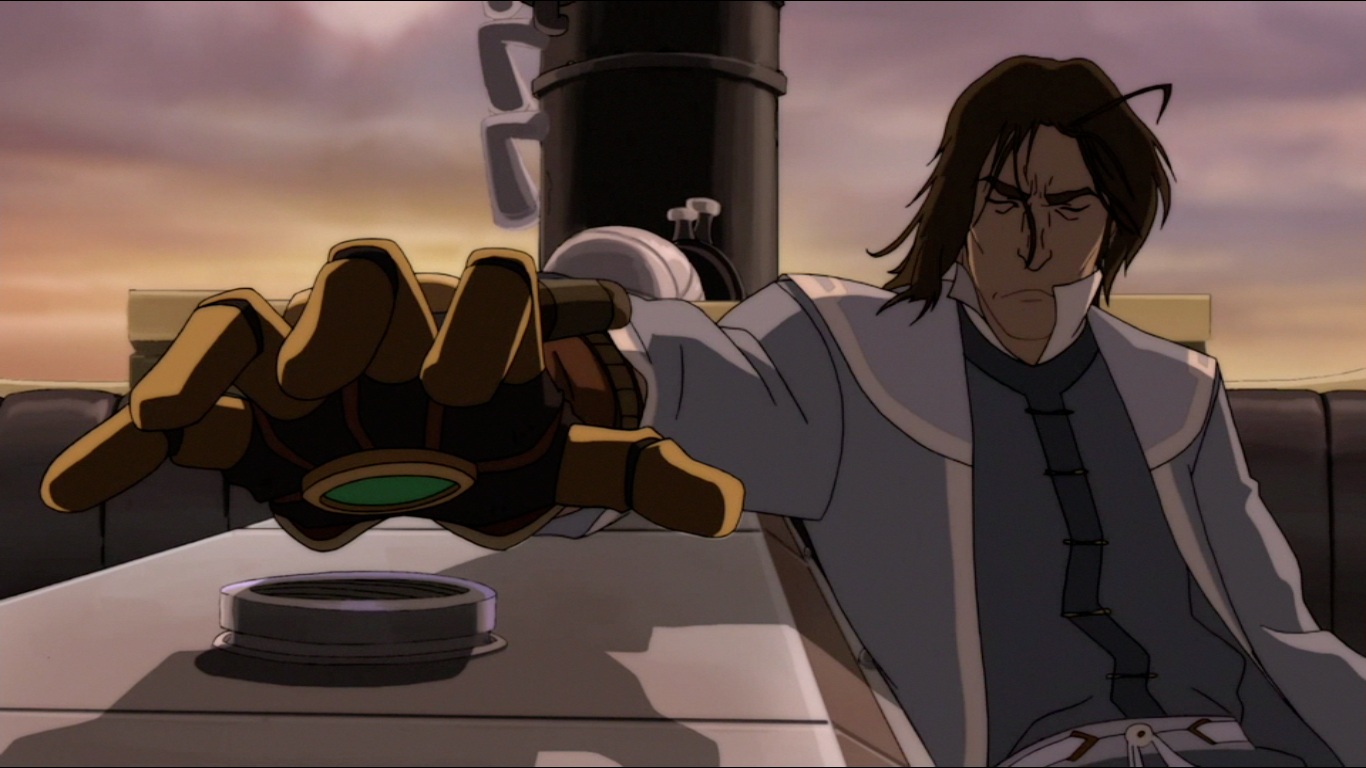
Suicide? That's fine, just make sure the two women don't kiss!
Suicide? That’s fine, just make sure the two women don’t kiss!

Regardless of what happened, one thing is clear: Konietzko and DiMartino have grown too mature for Nickelodeon. Who can really blame them after everything that happened with Korra? It does not sound anything like the successful partnership that occurred with Avatar: the Last Airbender. You can bet the two have a future project planned, they have said as much themselves. The sad news is: it is not Avatar related.

The two are moving on, likely to a studio or network (Netflix, HBO) that allows more artistic freedom. While this is likely a great move and I eagerly await their next series, it is sad that this is how the Avatar universe ends. There will be more comic books, which is nice I guess… but it appears unlikely that Nickelodeon will ever produce another series (after some feel that they tried actively to kill Korra) and even less likely that it will involve the two creators. This was an incredible universe that spanned two extraordinary shows. Even if its “cartoon” status prevented it from earning the acclaim of Game of Thrones and Orange is the New Black, both Korra and Avatar accomplished something truly special.

It is just a shame that this good-bye tastes so bitter.

"Hey cheer up, at least Michael Bay hasn't made a movie about us yet."
“Hey cheer up, at least Michael Bay hasn’t made a movie about us yet.”

Click here to support bringing Legend of Korra back to life on Netflix.

Where did the Muppet Love Go?

2011: The Muppets hits theaters. Critics are overjoyed, with some people calling it one of the best films of the year. Jason Segel, who wrote and starred in the film, accomplished his dream project. A $45 million dollar film that grossed over $165 million and became a critical darling. The Muppets was so successful that a sequel was immediately rushed into production. Fast-forward three years and…

Muppets Most Wanted grosses a paltry (by Hollywood standard) $78 million. An achievement made even more disappointing given the film’s additional $5 million budget. So… what happened? Where did all the Muppet love go?

More like Muppets Least Wanted, HAHAHA... I'm so clever.
More like Muppets Least Wanted, HAHAHA… I’m so clever.

At first glance, the answer appears obvious: critical reception. I mean, who didn’t hear about how good The Muppets was when it came out? I can remember the film being considerably hyped, I also cannot recall another film in the franchise ever earning that much critical praise. When Most Wanted hit screens, the review buzz was slightly different. “Worse than the first,” “a step down;” these were some of the common complaints. I can only speak personally, but I know my excitement dwindled when I heard that reaction.

Weak human subplots was a common (and fair) criticism of the new movie.

Yet how differently were these films really received? Rotten Tomatoes points to the largest discrepancy. The Muppets earned a whopping 96% while Muppets Most Wanted managed only a 79%. That is a large drop… but 79% still is far from terrible. Yet on other critical scales, the gap was far smaller. IMDB rankings give The Muppets a 7.2 and Muppets Most Wanted a 6.5. Likewise, Metacritic scored The Muppets at 75 and Muppets Most Wanted at 61. Yes, there is a drop in all three cases but not as drastic as Rotten Tomatoes suggests.

Therein may lie the answer.

Was the return of these three really as beloved as Rotten Tomatoes would have their readers believe?

Rotten Tomatoes is by far one of the most popular movie review sites on the web. Yet the system they use is very simple: a movie is either fresh or rotten, reviews are sorted as either good or bad. This allows for a skewing of numbers. If a large number of critics think a movie is just “good” (not great, not anything special), the movie will appear more highly rated than it really is. Likewise if the majority of critics declare a film “mediocre,” the score will reflect more negatively. Rotten Tomatoes actually also uses a system very similar to Metacritic, but hides the number under the “Average Rating” heading, located in small print under the overall score.

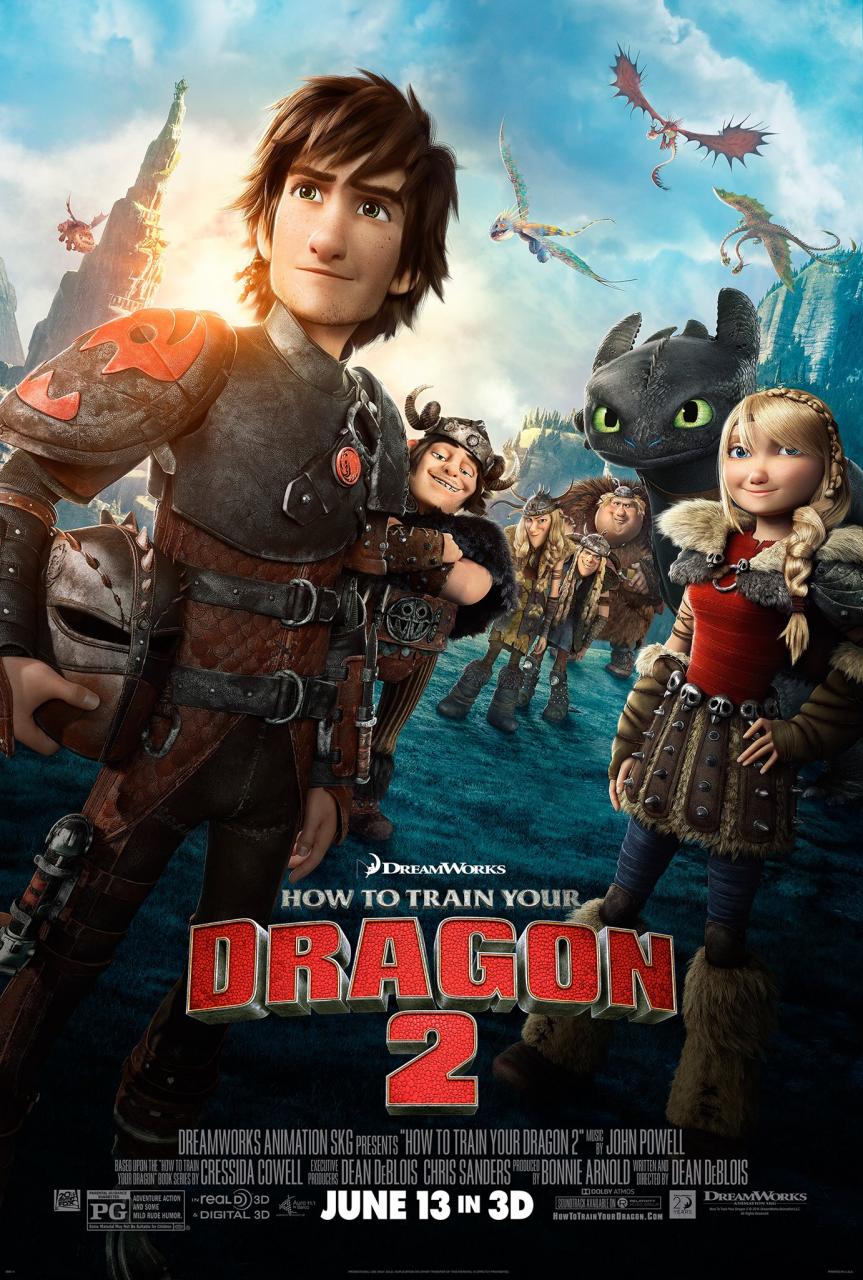
Perfect recent example: How to Train Your Dragon 2, a 92% on Rotten Tomatoes... with an average score of 7.7.
Perfect recent example: How to Train Your Dragon 2, a 92% on Rotten Tomatoes… with an average rating of 7.7.

So good movies can appear great… or not so great. Certainly it explains the difference in the two numbers and could contribute to another huge factor concerning why Muppets Most Wanted so underperformed: a lot of people (myself included) felt that the 2011 film was overrated. Not terrible by any stretch but this was, according to Rotten Tomatoes, supposed to be the highest rated film of the year. That is a huge expectation to live up to.

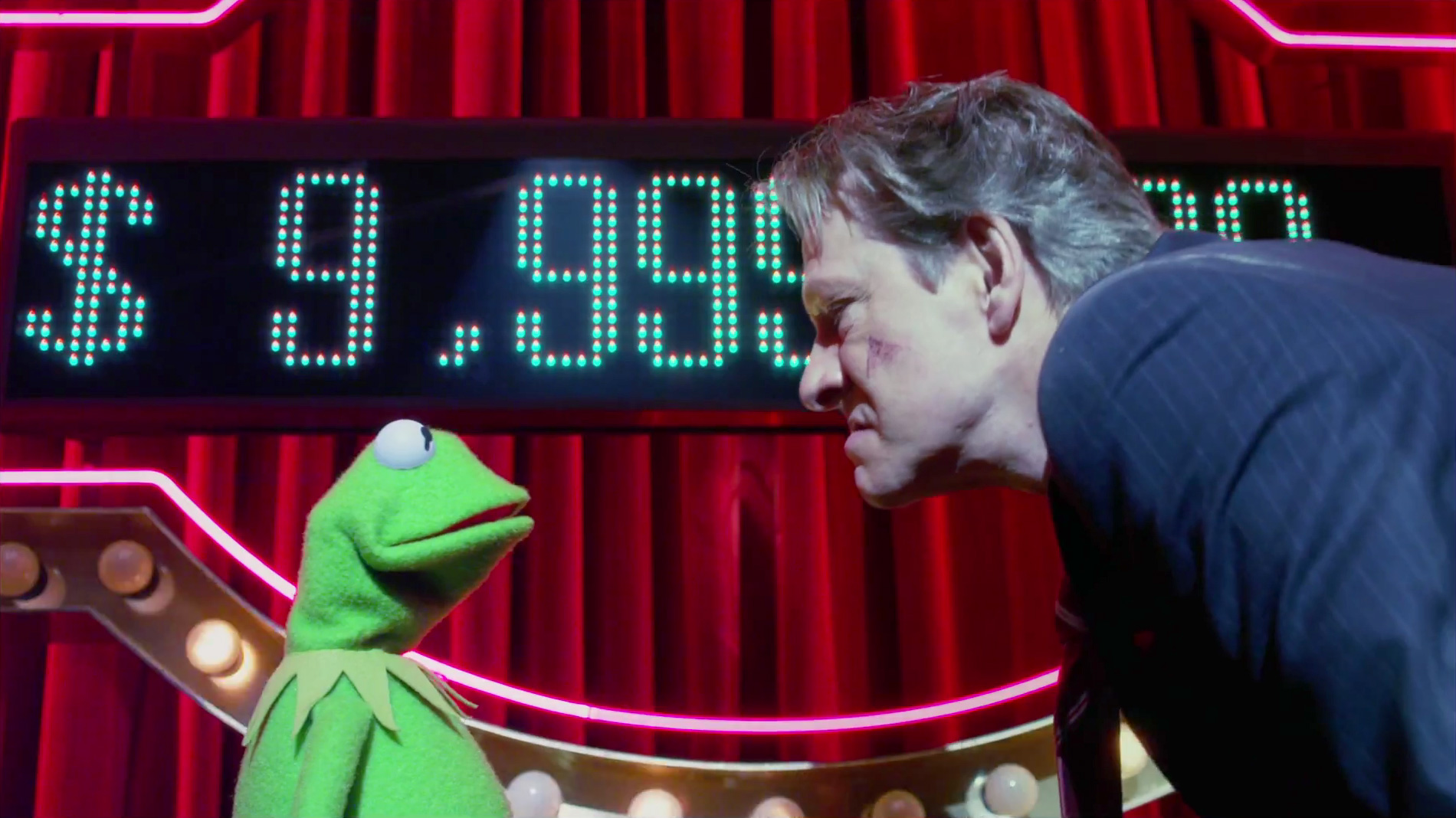
Chris Cooper giving The Muppets a rarely seen skeptical eye.

The Muppets was a good film, but far from perfect. Legitimate criticisms existed and many people felt that it was too praised. When Muppets Most Wanted came out, it is a good bet that at least a few critics were venting frustration at just how talked about The Muppets became. With something as subjective as film review, it is very difficult to say but I can say that, when I finally watched Muppets Most Wanted: I enjoyed the film more than I was expecting. While overall I would call it worse than its predecessor (overlong and slow in places), the film had superiority over the 2011 film in several areas.

Ricky Gervais just can't bring 'em in like Jason Segel.
Ricky Gervais just can’t bring ’em in like Jason Segel.

Most notably: the Muppets. There was a lot more Muppet action going on in this film. Gone were Jason Segel and Amy Adams, the stars were only the Muppets themselves (along with Ricky Gervais and Tina Fey in supporting roles). Not as much star power sure, but shouldn’t a Muppet movie be about the Muppets first? That would be like making a Transformers movie that was more about the people than the robots…

The plot is simple (maybe too simple for the runtime) but the jokes are funny. Anyone who likes the Muppets will not be disappointed, and those looking for good family entertainment could do far worse. Yet, for probably no singular reason, the Muppets’ future is again uncertain. What happened to that nostalgic love so present in the 2011 film? Did it evaporate so quickly? Maybe it really, truly, is not that easy… being green.

One can do far worse when looking for Muppets entertainment.

Marketing Method: "Based on a True Story"

As audiences, we see these words a lot. Recently, I was at the cinema seeing The Imitation Game and these were the first words to greet me on the screen. It gave everything in the film a sense of gravity and added weight. I was not watching fanciful creations but someone’s actual life, dramatized because of its significance… or so I thought. Afterwards, I immediately inquired further into the validity of The Imitation Game‘s information. There were inconsistencies to say the least. This is not to say anything negative against the movie as a film, or to single it out as the only culprit when it comes to twisting reality. This happens a lot. Books, movies, even video games all love to use the tagline: based on a true story. Well cool – what’s it mean?

Very little.

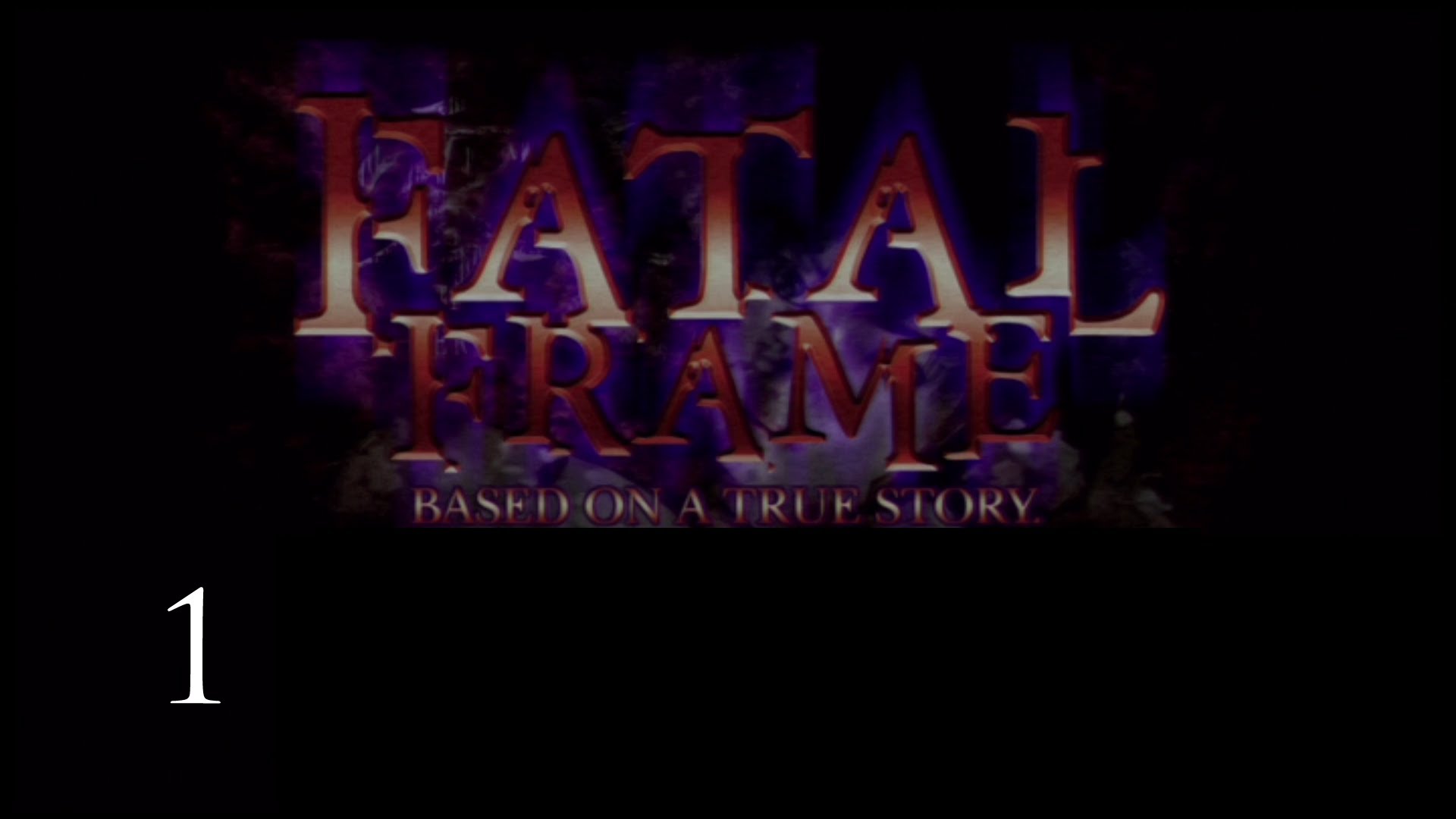
For those who do not know, Fatal Frame is a game where you take pictures of ghosts with a camera... yeah, cause that totally happens.
For those who do not know, Fatal Frame is a game where you take pictures of ghosts with a camera… yeah, cause that totally happens.

After some digging, I was able to find a legal definition in regards to the phrases “based on a true story” and “inspired by a true story.” Keep in mind, this is in regards to literature (although safe bet that similar stature exists for the other media types):

No difference of any legal consequence between ‘based on’ and ‘inspired by.’ Each of them suggests that there is a core of truth to the story but that you are embellishing or going beyond the factual record. This is something we call ‘faction,’ a conflation of fact and fiction and it can under some circumstances give rise to libel claims, but not if the story is about animals.

“A core of truth” does not go far to keep a story grounded in reality. Essentially, what that means is that one significant aspect of the story must be true. If one is making a film about a real life killer for instance – a killer will be in the movie. Does the movie killer have to be related to the actual killer? Look no further than Ed Gein vs. Leatherface for the answer to that one.

As the definition suggests, legal trouble can also arise from uses of the term. Families and living relatives often take issue with film portrayals of their ancestors (let’s use The Imitation Game again as an example). In the case of the atrocious film, The Fourth Kindmany newspapers and an entire city were angered over the film’s liberal use of “based on a true story.” Argo might hold some kind of record since it angered the majority of Canada by downplaying the country’s role in the “true” events depicted on-screen.

Remember that gay player from Remember the Titans? Not gay at all in real life. How would you feel about seeing an onscreen representation of yourself with a different sexuality?
Remember that gay player from Remember the Titans? Never happened in real life. How would you feel about seeing an onscreen representation of yourself with a different sexuality?

So, with all the trouble that can come of “based on a true story,” why do they use it?

Because we love it.

In many cases, this phrase appears associated with either drama or horror, leveraging that all important aspect of audience relatability. What could be scarier or more moving than something that actually happened? The chills of a “real-life” psychopath will get the adrenaline flowing better than any fictional boogeyman. Anyone experiencing either the rush or low of a relationship will take solace in knowing there are other people out there who went through similar situations.

The use of real life characters adds more weight to certain genres of storytelling.

Is it real… well does it need to be? “Based on a true story” is used to heighten emotional reaction. The upside is, this technique clearly works as more and more films adapt it into their hits. The (potential) downside: some people actually believe it while it further increases the cynicism of others.

The Internet: proof that some people will believe anything.

So who is responsible? While some blame Hollywood and publishers for their overzealous use of phrase, I believe that it is the audience’s responsibility to be informed. It is a lazy mind that takes everything it sees or reads at face value. That is not to say that they have the right to lie or slander individuals at will. Let’s keep those laws we have working for us.

If anything, “based on a true story” should be taken as an invitation to do some research. Heck, if you already thought the subject was interesting, why not look into it a little more?